aashma aaryal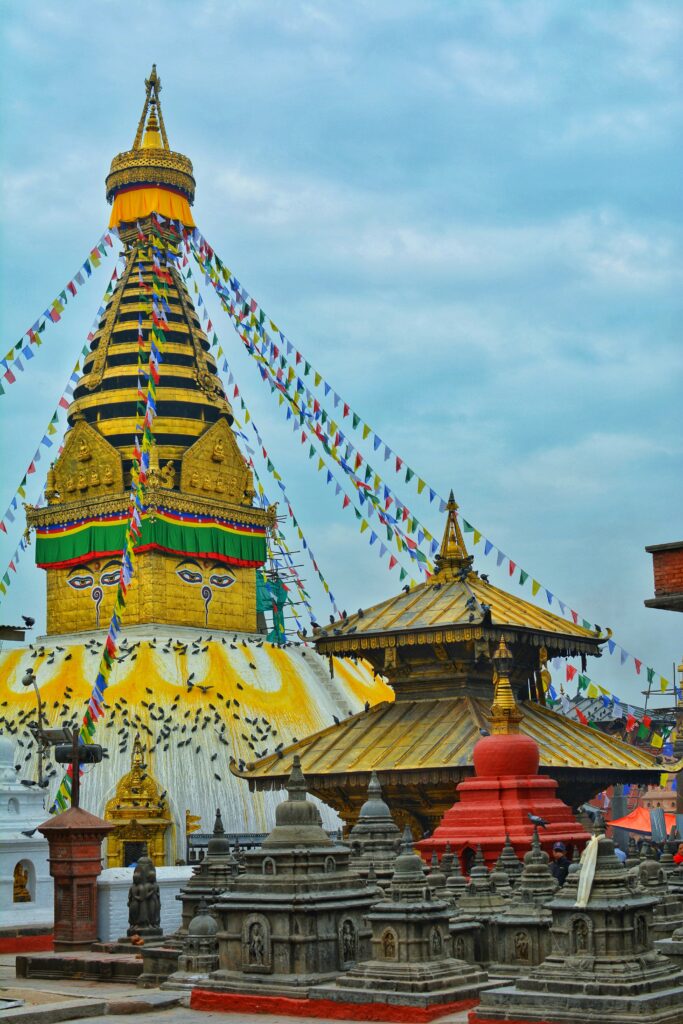
“Nepal turns every sunrise, mountain, lake, and valley into a moment worth capturing.”
From golden Himalayan sunrises to mist-covered valleys, Nepal is a dream destination for landscape photographers. Snow-capped mountains, peaceful lakes, green terraced hills, historic towns, and dramatic high-altitude deserts can all be found within a relatively small area. Whether you use a professional camera or a smartphone, these best photography spots in Nepal provide unforgettable landscapes and unique cultural scenes, along with helpful tips for capturing each location at its best.
Kathmandu
As soon as you arrive in Kathmandu, you’ll be surrounded by a fascinating mix of sights, sounds, colors, and everyday life. From lively street markets and traditional architecture to local vendors, temples, and colorful festivals, there are countless moments worth capturing. Often described as a living cultural museum, Kathmandu offers photographers a chance to capture not only beautiful images but also stories of Nepal’s rich history and traditions. With several UNESCO World Heritage Sites located within a relatively short distance of the city center, Kathmandu is an ideal destination for discovering and photographing Nepal’s cultural heritage.
Pokhara
Pokhara is one of Nepal’s most beautiful destinations for landscape photography, known for its peaceful lakes, flowing rivers, dramatic gorges, and spectacular mountain scenery. The reflections of snow-covered peaks on the calm waters of Phewa Lake create some of the most memorable views in the region. The city is surrounded by photogenic landmarks and natural landscapes that provide plenty of opportunities for capturing stunning images. Just a short drive from Pokhara, Sarangkot is especially popular for its panoramic views of the Himalayas, with sunrise and sunset offering some of the best opportunities for photography.
Upper Mustang & Kagbeni
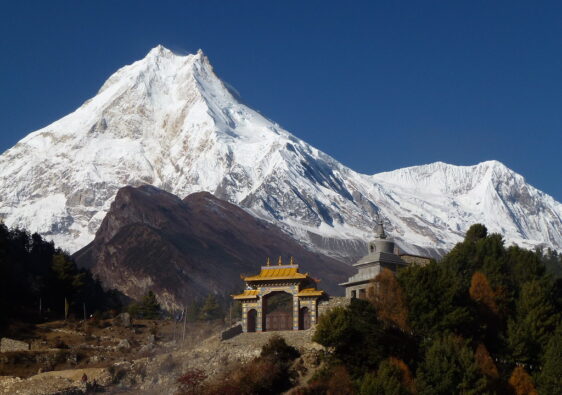
Crossing to the far side of the Annapurna range, the landscape changes dramatically into the rugged high desert of the Mustang region. Stretching along the Kali Gandaki Gorge, this remote area is known for its weathered ochre cliffs, ancient caves, barren mountains, and traditional Tibetan-style villages such as Kagbeni. The unique combination of dry landscapes and historic settlements makes it an exceptional destination for landscape photography. Early morning and late afternoon are ideal for capturing the warm light and long shadows that highlight the textures and shapes of the terrain. As the region lies in a rain shadow, it can also be a great place for photography during the monsoon season.
Annapurna Base Camp
Annapurna Base Camp is one of Nepal’s most spectacular destinations for mountain photography, offering breathtaking views of the Annapurna Massif and surrounding Himalayan peaks. The journey to the base camp takes you through diverse landscapes, traditional villages, and dramatic mountain scenery. From the viewpoint, photographers can capture towering snow-covered peaks decorated with colorful prayer flags, especially during sunrise and sunset when the mountains glow in warm golden light. The combination of majestic peaks, changing light, and Himalayan culture makes Annapurna Base Camp an unforgettable place for landscape photography.
Nagarkot
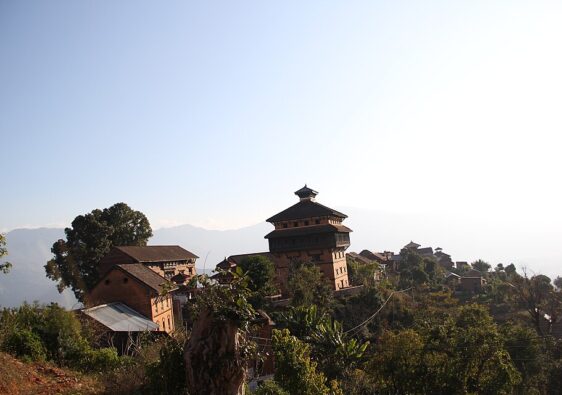
Nagarkot, located a short distance from Kathmandu, is a popular destination for capturing beautiful landscapes filled with morning mist and rolling clouds. At sunrise, the valleys can appear covered by a soft sea of clouds, while Himalayan peaks rise above the mist in the distance. On clear days, the area offers wide views of the surrounding mountain ranges, and misty mornings create a peaceful, atmospheric setting for photography. Sunrise is one of the best times to capture the sea of clouds, layered hills, and distant peaks. Staying overnight allows photographers to enjoy both sunset and sunrise views without having to travel early in the morning.
Kala Patthar
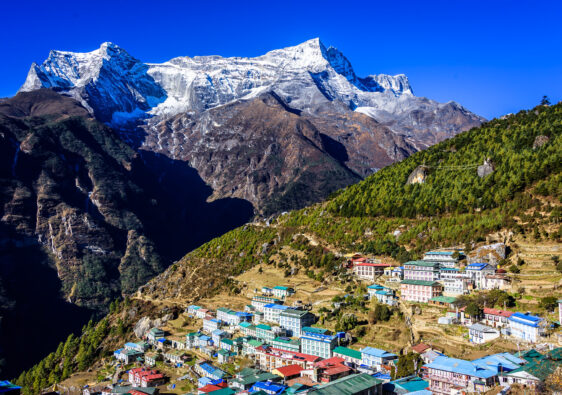
Kala Patthar, at an elevation of around 5,545 meters, is one of the most spectacular viewpoints in the Everest region and a popular location for photographing Mount Everest. The viewpoint offers breathtaking views of Everest, Nuptse, and other towering Himalayan peaks, especially during sunrise and sunset when the changing light creates dramatic scenery. Photographers can capture Everest glowing in the evening light along with the vast Khumbu Glacier below. Because of the extreme altitude and cold conditions, it is important to allow enough time for acclimatization and keep camera equipment and batteries protected from the cold while photographing in this high-altitude environment.
Rara Lake
Rara Lake, located in the remote northwestern part of Nepal, is the country’s largest lake and one of its most beautiful natural landscapes. Surrounded by lush forests, rolling hills, and distant snow-capped mountains, the lake is known for its clear blue waters and peaceful atmosphere. The changing light creates different shades across the lake, while calm conditions can produce beautiful reflections of the surrounding mountains. Reaching Rara Lake requires a longer journey, but the effort is well worth it for photographers seeking peaceful and relatively untouched Himalayan scenery.
Poon Hill
Poon Hill, located in the Myagdi District of western Nepal, is one of the country’s most popular trekking and photography destinations. Situated a few days’ trek from Pokhara, it offers spectacular panoramic views of more than 20 Himalayan peaks. The viewpoint is particularly famous for its breathtaking sunrise and sunset scenery, when the first and last rays of sunlight illuminate the Annapurna, Dhaulagiri, and surrounding mountain ranges. With its wide mountain vistas and dramatic changing light, Poon Hill is an excellent destination for capturing unforgettable Himalayan landscapes.
Tips for Capturing Stunning Landscape Photos in Nepal
A few simple techniques can help you capture better landscape photographs throughout Nepal:
Choose the right season
Autumn, especially October and November, usually offers clear skies and sharp mountain views. Spring, particularly March and April, brings pleasant light and colorful rhododendron blooms. The period after the monsoon can also provide exceptionally clear views.
Photograph during golden hours
Sunrise and sunset are among the best times for landscape photography in Nepal. The soft, warm light adds depth and color to mountains, valleys, and lakes, while midday light can often appear harsh or flat.
Prepare for cold and high altitude
Cold temperatures can quickly reduce camera battery life, especially in high-altitude areas. Carry spare batteries and keep them warm inside an inner pocket. A lightweight, sturdy tripod can also be useful for sunrise, sunset, and reflection shots.
Add foreground elements
Prayer flags, boats, trekkers, traditional houses, trees, and other nearby objects can add depth to your photographs. They can also help show the scale of Nepal’s enormous mountains and landscapes.
Respect local culture and regulations
Follow photography rules at religious and heritage sites, and ask for permission before photographing people closely. If you plan to use a drone, check the latest regulations and obtain any required permits, as flying restrictions apply in certain areas.