bimala bhatta
Introduction
Nepal is often celebrated for Mount Everest and world-famous trekking routes, but the country’s beauty extends far beyond extreme adventures. Scattered across rolling hills and Himalayan foothills are peaceful hill stations that offer cool weather, sweeping mountain views, rich cultural encounters, and a refreshing escape from crowded cities.
Hill stations in Nepal are ideal for travelers who want to enjoy the magic of the Himalayas without strenuous trekking. Whether you’re planning a short escape from Kathmandu, a family holiday, a romantic retreat, or a slow cultural journey, these destinations provide comfort, scenery, and authenticity in equal measure.
This complete travel guide explores the best hill stations in Nepal, covering what makes each place special, the best time to visit, safety tips, travel costs, and practical advice to help you plan a smooth and memorable Himalayan escape.
Why Hill Stations in Nepal Are So Special
Nepal’s hill stations stand out because they combine dramatic natural beauty with genuine local life. Unlike busy tourist cities, many hill towns remain calm and deeply connected to tradition, allowing travelers to experience Nepal at a slower and more meaningful pace.
Key reasons travelers choose hill stations in Nepal:
- Pleasant climate throughout most of the year
- Panoramic views of snow-capped Himalayan ranges
- Cleaner air and peaceful surroundings
- Traditional villages and rich cultural heritage
- Easy hikes, scenic walks, and relaxed sightseeing
From solo travelers to families and senior visitors, hill stations are suitable for every age group and travel style.
1. Nagarkot : Sunrise Spectacle Near Kathmandu
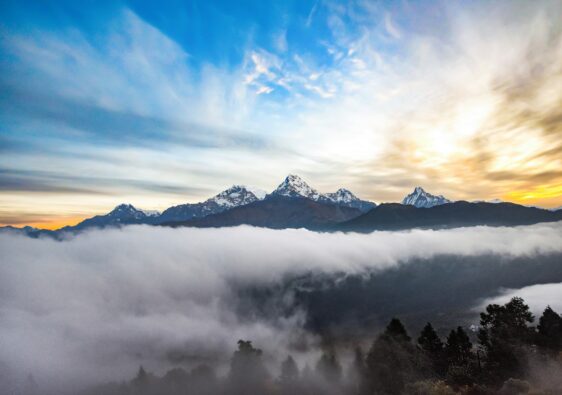
Located just 32 kilometers from Kathmandu, Nagarkot is renowned for its breathtaking sunrise over the Himalayas. On clear mornings, peaks such as Mount Everest, Langtang Himal, Ganesh Himal, and Manaslu are visible from the hilltop.
Highlights:
- Nagarkot View Tower for panoramic sunrise and sunset views
- Short treks through forests and traditional villages
- Photography opportunities with minimal crowds
- Lodges offering mountain vistas
Travel tips: Wake early to witness the first light illuminating the Himalayas. Carry a warm jacket as mornings can be chilly, even in spring.
How to reach: Accessible via private car, taxi, or local bus from Kathmandu (approx. 1–1.5 hours).
2. Dhulikhel : Cultural and Himalayan Haven
Situated about 30 kilometers east of Kathmandu, Dhulikhel is a quintessential blend of culture, history, and mountain scenery. The town’s Newari architecture, stone-paved streets, and ancient temples provide an authentic Nepali experience.
Highlights:
- Panoramic views of Langtang, Gaurishankar, and Annapurna ranges
- Treks to Namobuddha Monastery and surrounding hills
- Yoga retreats and wellness resorts
- Local culinary experiences featuring traditional Newari dishes
Local insight: Visiting during local festivals allows travelers to observe age-old rituals and ceremonies, enhancing cultural understanding.
How to reach: By bus or private car from Kathmandu (approx. 1 hour).
3. Bandipur : The Living Heritage Town
Bandipur is often called a living museum for its well-preserved architecture and cultural authenticity. Located between Pokhara and Kathmandu, it is famous for car-free streets, heritage homes, and panoramic mountain views.
Highlights:
- Viewpoints offering vistas of Annapurna and Dhaulagiri ranges
- Traditional homes, temples, and bustling local markets
- Nearby Siddha Cave and hiking trails
- Warm hospitality of local residents
Travel tips: Walking through Bandipur is the best way to appreciate its authentic charm. Sunrise and sunset views are particularly spectacular.
How to reach: Drive from Pokhara or Kathmandu (3–4 hours)
4. Tansen (Palpa) : Historical and Architectural Jewel
Tansen, located in western Nepal, stands at 1,350 meters with dramatic views of the Mahabharat Range. Its tiled roofs, ancient palaces, and cobblestone streets evoke a medieval aura.
Highlights:
- Explore Tansen Durbar and local museums
- Visit Rani Mahal, the “Taj Mahal of Nepal”
- Walk along serene cobblestone lanes
- Enjoy a calm, cool environment for relaxation
Local insight: Tansen’s streets are perfect for photography and historical exploration, providing an offbeat experience for discerning travelers.
How to reach: Accessible via bus or private vehicle from Butwal (2–3 hours).
5. Pokhara : Lakeside Adventure and Mountain Majesty
Pokhara is Nepal’s premier hill station, famed for its Phewa Lake, adventure sports, and unparalleled Annapurna views. Unlike other hill stations, it combines mountain vistas, lakefront serenity, and active tourism infrastructure.
Highlights:
- Boating on Phewa Lake and visiting Tal Barahi Temple
- Paragliding over scenic valleys
- Trekking to Sarangkot, Dhampus, and other viewpoints
- Sunset photography at Davis Falls or World Peace Pagoda
Travel tips: Autumn and spring offer the clearest skies and optimal mountain views.
How to reach: Direct buses from Kathmandu (6–7 hours) or domestic flights to Pokhara Airport.
6. Ilam : The Tea Garden Hill Station
Ilam, in eastern Nepal, is a serene hill station known for its rolling tea plantations, lush hills, and tranquil lakes. Ideal for travelers seeking slow-paced exploration and nature immersion.
Highlights:
- Walk through tea gardens and sample fresh local teas
- Visit Mai Pokhari, a sacred wetland with calm surroundings
- Interact with the Kirati communities
- Explore nearby hills and waterfalls
Local insight: Early mornings provide mist-laden landscapes perfect for photography.
How to reach: Bus or private car from Biratnagar (4–5 hours).
7. Daman : Hidden Himalayan Panorama
Daman is a small, offbeat hill station with vast Himalayan panoramas. From the view tower, travelers can see Everest, Manaslu, and Langtang on clear days.
Highlights:
- Panoramic viewpoints for photography and meditation
- Minimal tourist traffic for solitude and peace
- Ideal for short retreats
Local insight: Daman is ideal for 2-day wellness retreats and nature photography enthusiasts.
How to reach: Drive from Kathmandu via Hetauda (approx. 4–5 hours).
8. Gorkha : Historical and Strategic Hill Station
Gorkha, the birthplace of King Prithvi Narayan Shah, is a historic hill town offering cultural insights and mountain vistas. The Trishuli River valley and surrounding hills make it an excellent base for trekking into Manaslu region.
Highlights:
- Gorkha Durbar and other heritage sites
- Trekking trails leading to nearby villages
- Authentic cultural interactions with local communities
Local insight: A combination of heritage and natural scenery makes Gorkha perfect for culturally inclined travelers.
How to reach: Accessible via bus or private car from Kathmandu (5–6 hours).
9. Ranikhet / Rani Mahal View : Heritage Hill Station
Ranikhet, near Tansen in Palpa District, is a serene hill station offering a blend of historical charm and panoramic Himalayan views. It is perfect for travelers who enjoy heritage, quiet walks, and sunset vistas over the mountains.
Highlights:
- Visit Rani Mahal, the “Taj Mahal of Nepal,” with its riverside setting
- Walk along heritage trails and cobblestone streets
- Capture sunrise and sunset views of the surrounding hills
- Explore nearby traditional villages and local markets
Local insight: The quiet ambiance and minimal tourist traffic make it ideal for photography and meditation, especially in early mornings.
How to reach: Accessible by private car or local bus from Tansen or Butwal (approx. 2–3 hours).
10. Khaptad / Chandannath Hills : Offbeat Himalayan Gem
Khaptad Hills, in far-western Nepal, are a remote and tranquil hill station, known for pristine meadows, forested trails, and sacred sites. It’s ideal for travelers seeking solitude, natural beauty, and cultural immersion away from mainstream tourist spots.
Highlights:
- Trek through Khaptad National Park, home to alpine meadows and rare wildlife
- Visit Chandannath Temple and other local shrines
- Enjoy panoramic views of western Himalayan ranges
- Experience authentic interactions with rural communities
Local insight: Early mornings offer misty landscapes and serene mountain views, making it a photographer’s paradise.
How to reach: Travel by bus or private vehicle from Dhangadhi or Dipayal, followed by a short trek into the hills (total 5–6 hours).
Seasonal Guide to Hill Stations
Spring (March–May): Mild climate, rhododendron blooms, ideal for trekking and photography.
Autumn (September–November): Clear skies, perfect for festivals and panoramic mountain vistas.
Winter (December–February): Snowy landscapes, minimal crowds, serene environment.
Monsoon (June–August): Lush greenery, especially in tea gardens, but trails can be slippery.
Cost and Travel Essentials
- Local transport: NPR 300–1,000
- Accommodation: NPR 1,500–7,000 per night (budget to luxury)
- Meals: NPR 300–600 per dish
- Guided tours/treks: USD 50–200 per day
Solo travel tips:
- Stick to marked trails
- Avoid night travel in remote areas
- Pack layers for unpredictable weather
- Research local customs and festivals
FAQs
The hill stations nearest to Kathmandu are Nagarkot and Dhulikhel, both within 30–35 km of the city. These locations are perfect for day trips or weekend escapes, offering spectacular Himalayan sunrise and sunset views without long travel. Nagarkot is ideal for photographers, while Dhulikhel combines mountain vistas with cultural experiences, such as visiting traditional Newari villages.
For families, Pokhara, Bandipur, and Nagarkot are highly recommended. Pokhara offers lakeside relaxation, adventure activities, and kid-friendly attractions like boating and short treks. Bandipur provides a safe, calm environment with cultural exploration opportunities. Nagarkot is perfect for easy hikes and panoramic mountain views, making it suitable for all ages.
No. Most of Nepal’s popular hill stations are road-accessible, with well-maintained paths and short hiking trails. While some stations, like Ilam or Daman, offer trekking opportunities, beginners can still enjoy the scenery and local culture without specialized gear or prior experience. Hiring a local guide is recommended for off-the-beaten-path trails.
If you love lush greenery, tea gardens, and panoramic mountain views, Ilam and Daman are the top picks. Ilam is famous for its rolling tea plantations, pristine lakes, and quiet trails, while Daman offers uninterrupted views of Everest, Manaslu, and Langtang ranges. Both locations provide peaceful environments, perfect for photography, meditation, and connecting with nature.
Yes. Solo travel in Nepal’s hill stations is generally safe and rewarding, especially during spring (March–May) and autumn (September–November) when the weather is stable and trails are clear. Most towns, such as Nagarkot, Bandipur, and Pokhara, have good tourist facilities and clearly marked trails. Basic precautions include informing someone of your itinerary, avoiding night travel, and carrying appropriate clothing.
The ideal seasons are spring (March–May) for blooming rhododendrons and clear mountain views, and autumn (September–November) for crisp skies and festival experiences. Winter offers snowy vistas and minimal crowds, while monsoon (June–August) brings lush greenery but slippery trails, making travel more challenging in remote areas.
Costs vary based on location, accommodation, and activities:
Guided tours or short treks: USD 50–200 per day
Nepal remains affordable for both domestic and international travelers, with options for every budget.
Transport: NPR 300–1,000 (local buses and taxis)
Accommodation: NPR 1,500–7,000 per night (budget to luxury)
Meals: NPR 300–600 per dish
Conclusion & Travel Advice
Nepal’s hill stations offer an unparalleled combination of natural splendor, cultural depth, and serene escapes. From sunrise vistas in Nagarkot to tea-laden hills of Ilam, these destinations provide enriching experiences for every traveler.
Travel Tip: Spring and autumn are ideal for clear skies, mild temperatures, and optimal sightseeing.
Call-to-Action: Plan your tailor-made Nepal hill station adventure today. Explore the breathtaking landscapes, immerse in local culture, and create unforgettable memories in the Himalayan heartland.