Prabi
PrabiHigh in the central Himalayas lies a mountain crossing that quietly humbles even experienced trekkers. Thorong La Pass is not dramatic because of technical climbing or extreme danger it is powerful because of its altitude, endurance demands, and the emotional weight of reaching such a remote and elevated place.
By the time most trekkers arrive near the base of the pass, their bodies have already adjusted to thin air, long walking days, and simple mountain living. Thorong La becomes the final test not of strength alone, but of patience, discipline, and mental focus.
This guide breaks down everything you need to understand before attempting the crossing, including terrain conditions, physical demands, seasonal considerations, safety planning, and what makes this Himalayan pass so memorable.
Understanding Thorong La Pass in the Annapurna Circuit
Thorong La Pass rises to 5,416 meters (17,769 feet) and forms the natural divide between the Manang region and the Mustang valley. It sits directly on the Annapurna Circuit route, making it unavoidable for trekkers completing the full circuit.
What makes this location unique is how quickly the landscape changes once the pass is crossed. On the eastern side, trails wind through forests, rivers, and alpine valleys. On the western side, the environment becomes dry, open, and shaped by Tibetan-style settlements and wind-carved terrain.
Rather than being a single viewpoint, Thorong La represents a turning point in the journey geographically, culturally, and physically.
Why This Pass Holds Legendary Status Among Trekkers
Thorong La is widely regarded as the most meaningful section of the Annapurna Circuit Trek, not because it is the most beautiful trail, but because it represents achievement.
Reaching the summit requires multiple days of gradual elevation gain, careful acclimatization, and disciplined pacing. When trekkers finally step onto the top of the pass, the sense of accomplishment is immediate and powerful.
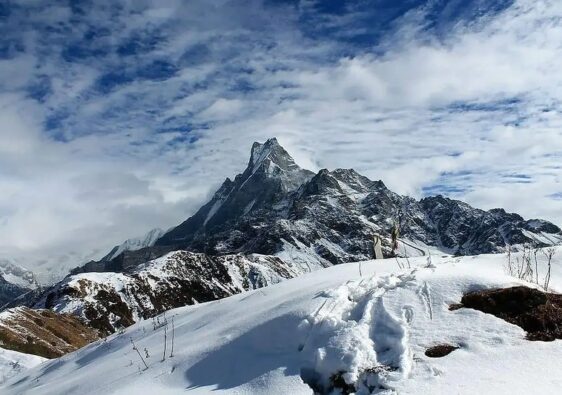
Surrounding peaks rise in every direction. Prayer flags stretch across the ridge. The air feels thin, cold, and incredibly clear. Many people describe this moment as the emotional high point of their entire trek in Nepal.
For first-time high-altitude trekkers, it often becomes the experience that reshapes how they view their physical limits.
Is Thorong La Pass Hard to Cross?
Thorong La is demanding, but it is not technically difficult.
There are no ropes, climbing gear, or exposed vertical sections. The challenge comes from altitude, endurance, and weather exposure rather than trail difficulty.
At over 5,000 meters, oxygen levels drop significantly. Walking feels slower. Breathing becomes heavier. Even gentle slopes require steady effort.
The crossing day is long. Most trekkers walk between 8 and 10 hours, combining a steep early-morning ascent and a long downhill descent into Muktinath.
Cold temperatures, wind, and fatigue add to the challenge. However, those who walk slowly, stay hydrated, and follow acclimatization schedules usually complete the crossing safely.
What Your Body Experiences at This Altitude
High-altitude trekking changes how your body functions.
Simple tasks require more energy. Sleep may feel lighter. Appetite often decreases. Muscles fatigue faster.
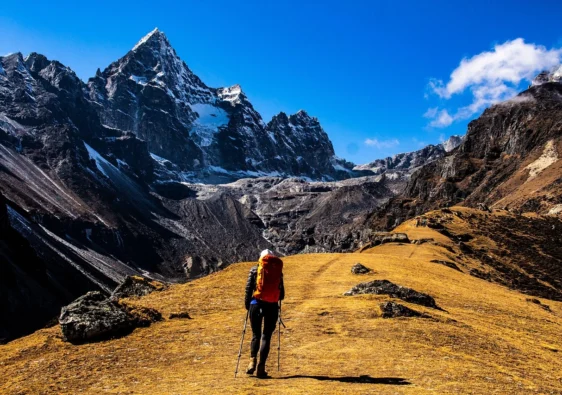
On pass day, most trekkers start before sunrise when temperatures are lowest. The climb is gradual but constant, and breaks become more frequent as altitude increases.
Short pauses every 10–15 minutes allow the body to recover. Drinking water and eating small snacks becomes essential to maintaining energy.
The descent is easier on breathing but harder on leg muscles and joints. Proper trekking poles and controlled pacing help prevent injury.
Listening to your body is critical. Pushing too fast increases risk. Slow movement is safer and more effective.
Choosing the Right Season for Thorong La
Weather conditions at high altitude change quickly, making seasonal planning extremely important.
Spring (March–May)
Spring offers warmer daytime temperatures and stable trail conditions. Snow gradually melts at higher elevations, improving accessibility. Flowering forests at lower elevations add visual beauty to the approach.
Autumn (September–November)
Autumn provides crisp air, excellent mountain visibility, and dry trails. This season attracts the largest number of trekkers because conditions are consistently favorable.
Why Winter and Monsoon Are Risky
Winter Challenges
Heavy snowfall, extreme cold, and potential trail closures make winter crossings unpredictable. Icy conditions increase the risk of slipping, and rescue access becomes limited.
Monsoon Difficulties
Rainfall increases landslide risk at lower elevations. Cloud cover often blocks mountain views, and trails become muddy and slippery. Although higher altitudes receive less rain, weather instability remains a concern.
Common Obstacles on the Crossing Day
Trekkers should prepare for several challenges during the Thorong La crossing.
Reduced Oxygen Levels
Shortness of breath and fatigue are common above 4,500 meters. Proper acclimatization reduces risk significantly.
Cold and Wind Exposure
Wind chill near the summit can feel extreme. Layered clothing is essential for temperature regulation.
Long Continuous Walking
Few opportunities exist for extended rest between Thorong Phedi and Muktinath. Physical stamina becomes important.
Remote Location
There are no villages or emergency facilities along the pass route. Self-preparation is necessary.
Trail Progression and Distance Overview
The approach to Thorong La is gradual and designed to support acclimatization.
From Manang (3,540m), trekkers move to Yak Kharka, gaining altitude slowly through open alpine terrain. The next day leads to Thorong Phedi or High Camp, where the final ascent begins early the following morning.
On crossing day, trekkers climb several hours to the summit and then descend steeply into Muktinath valley. Although the distance is manageable, altitude makes the day physically intense.
Spacing your days properly and avoiding rushed schedules improves success rates.
Required Permits for the Trek
All trekkers entering the Annapurna region must carry the Annapurna Conservation Area Permit (ACAP).
Permit Information
- Available in Kathmandu and Pokhara
- Requires passport and photographs
- Checked at multiple trail checkpoints
This permit supports conservation efforts and trail maintenance across the region.
Smart Safety Practices for Thorong La
Preparation greatly reduces risk at high altitude.
- Begin the crossing early in the morning
- Wear layered clothing to manage temperature changes
- Carry sufficient water and energy snacks
- Use trekking poles for stability
- Monitor symptoms of altitude illness
- Avoid heavy backpacks
- Follow weather updates
- Trek with experienced companions or licensed guides
Being cautious does not slow your journey — it protects it.
Conclusion
Thorong La Pass is more than a mountain crossing. It represents resilience, patience, and the quiet satisfaction of overcoming physical limits in one of the world’s most spectacular landscapes.
The journey toward the summit teaches discipline. The crossing itself builds confidence. And the descent into Mustang feels like stepping into an entirely new chapter of the trek.
With proper planning, respect for altitude, and steady pacing, this experience becomes one of the most meaningful achievements of any Himalayan adventure.
So train hard, pack light, acclimatize well, and most importantly, listen to your body. Whether you trek solo (with a licensed guide) or in a group, crossing Thorong La will stay with you forever. If you’re planning more adventures around Nepal, don’t forget to check out our Best Things to Do in Kathmandu, Nepal (2026 Travel Guide) to make the most of your journey before or after your trek.