Sabana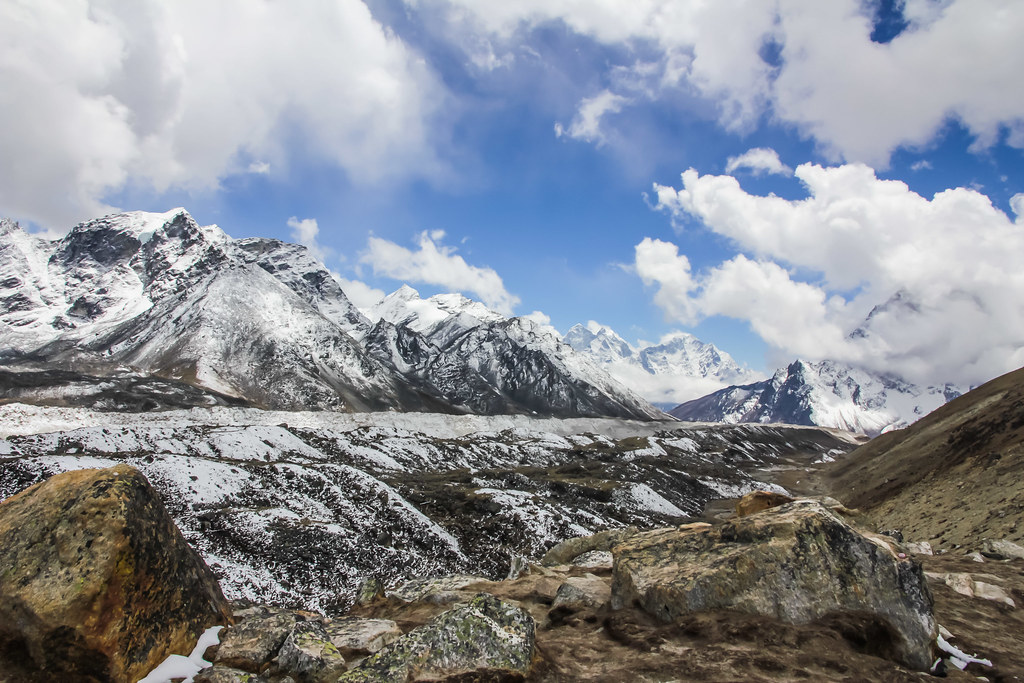
How Difficult Is the Everest Base Camp Trek?
The Everest Base Camp Trek is often considered one of the world’s most rewarding trekking adventures. Every year, thousands of travelers journey into the heart of the Himalayas to stand beneath the world’s highest mountain, Mount Everest. But before taking on this iconic adventure, many trekkers ask the same question, how difficult is the Everest Base Camp Trek?
The truth is that the trek is physically demanding, but it is achievable for most people with proper preparation, determination, and a steady pace. Unlike technical mountain climbing, the Everest Base Camp Trek does not require mountaineering experience, ropes, or climbing equipment. However, trekkers should be prepared for long walking days, high altitude, unpredictable mountain weather, and rugged Himalayan trails.
Most trekkers spend around 12 to 14 days on the trail, walking approximately 5 to 7 hours each day while gradually ascending to Everest Base Camp at an altitude of 5,364 meters. Although the daily distances are manageable, the combination of altitude and terrain makes the journey more challenging than a normal hike.
What Makes the Everest Base Camp Trek Challenging?
High Altitude and Thin Air
The biggest challenge of the Everest Base Camp Trek is the altitude. The journey begins in Lukla at around 2,860 meters and steadily climbs above 5,000 meters as trekkers approach base camp.
At higher elevations, oxygen levels decrease significantly, making even slow walking feel tiring. Trekkers may experience shortness of breath, fatigue, headaches, or dizziness as the body adjusts to thinner air. This is why proper acclimatization is extremely important during the trek.
Walking slowly, staying hydrated, and following a well-planned itinerary with acclimatization days greatly reduces the risk of altitude sickness.
Long Walking Days
The trek involves several consecutive days of hiking through mountain terrain. On average, trekkers walk between 10 to 15 kilometers daily across rocky trails, suspension bridges, forests, and glacier valleys.
While the distances may not seem extreme, the altitude and uneven terrain make the journey physically demanding. Some days, especially the hike to Everest Base Camp and the early morning climb to Kala Patthar, can feel particularly exhausting.
Rocky and Uneven Terrain
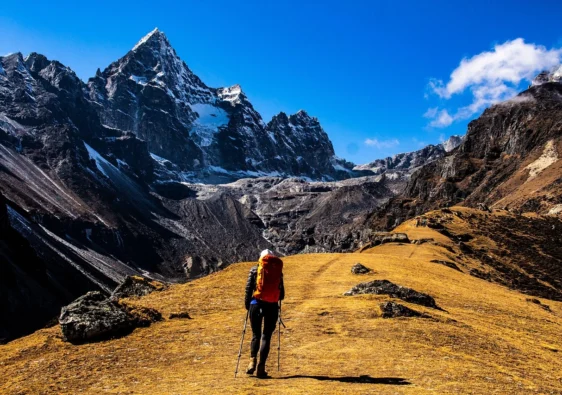
The Everest Base Camp trail is rugged and constantly changing. Trekkers walk through steep stone staircases, narrow mountain paths, glacier moraines, and rocky sections that require balance and endurance.
Steep uphill climbs near Namche Bazaar, Tengboche, and Kala Patthar are among the most physically challenging parts of the route. Proper trekking boots and careful pacing are essential throughout the journey.
Unpredictable Mountain Weather
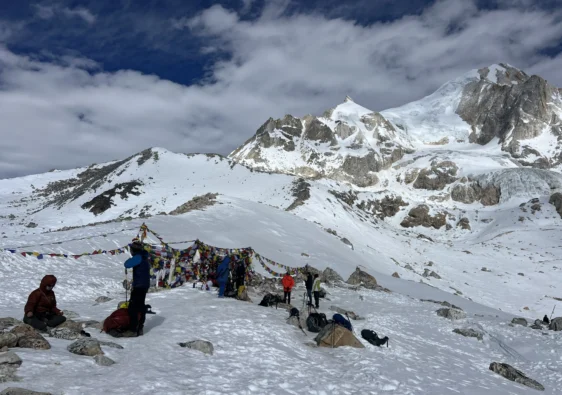
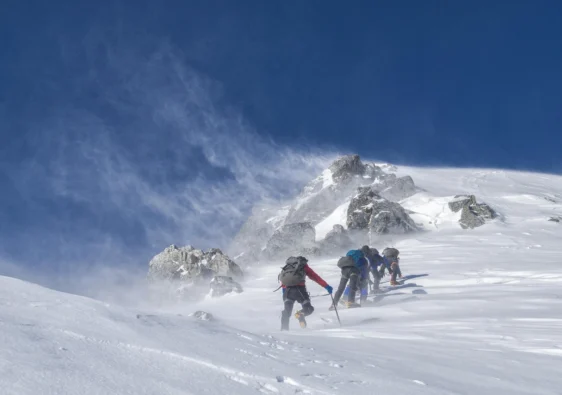
Weather conditions in the Everest region can change rapidly. Bright sunny mornings may suddenly turn windy, snowy, or cloudy within a few hours.
Temperatures also become much colder as the altitude increases, especially during mornings and nights. Trekkers should carry warm clothing, waterproof layers, gloves, and proper trekking gear to stay comfortable and protected throughout the trek.
Can Beginners Complete the Everest Base Camp Trek?
Yes, beginners can successfully complete the Everest Base Camp Trek with proper preparation and realistic expectations. Many first-time trekkers complete the journey every year.
You do not need technical climbing skills or previous high-altitude experience. However, a reasonable level of fitness is important. Preparing with regular walking, hiking, jogging, stair climbing, or cardio exercises before the trek can make the experience far more comfortable and enjoyable.
Mental preparation is equally important. Trekking in the Himalayas requires patience, consistency, and a positive mindset, especially during long walking days at high altitude.
Altitude Sickness on the Everest Base Camp Trek
Altitude sickness is one of the main concerns during the Everest Base Camp Trek. Since trekkers spend multiple days above 3,000 meters, the body needs time to adapt to lower oxygen levels.
Common symptoms of altitude sickness include:
- Headache
- Dizziness
- Fatigue
- Nausea
- Loss of appetite
- Difficulty sleeping
- Shortness of breath
The best ways to prevent altitude sickness are:
- Ascend gradually
- Drink plenty of water
- Avoid alcohol
- Take acclimatization days seriously
- Walk slowly and consistently
If symptoms become severe, descending to a lower altitude is necessary.
Everest Base Camp Trek Route Overview
The journey usually begins with a scenic mountain flight to Lukla before entering the beautiful Khumbu region.
Along the trail, trekkers pass through famous Himalayan villages such as:
- Phakding
- Namche Bazaar
- Tengboche
- Dingboche
- Lobuche
- Gorak Shep
The route features suspension bridges, pine forests, glacial rivers, rocky mountain paths, Buddhist monasteries, and breathtaking Himalayan scenery. Although the trail is well-established, the constantly changing terrain adds to the overall challenge of the trek.
Physical Fitness for Everest Base Camp Trek
Good physical fitness helps trekkers enjoy the journey more comfortably. Cardiovascular endurance, stamina, and leg strength are especially helpful for long trekking days at high altitude.
Helpful preparation activities include:
- Regular walking or jogging
- Stair climbing
- Hiking with a backpack
- Cycling or swimming
- Light strength training
Training consistently for several weeks before the trek can significantly improve endurance and confidence on the trail.
Mental Preparation Is Equally Important
The Everest Base Camp Trek is not only physically demanding but mentally challenging as well. Long trekking days, cold temperatures, altitude, and basic mountain accommodations can sometimes feel exhausting.
Maintaining a positive attitude and trekking at your own pace makes a huge difference. Instead of rushing, focusing on the experience, scenery, and gradual progress helps make the journey more enjoyable.
The support of guides, porters, and fellow trekkers also plays an important role in keeping motivation high throughout the adventure.
Essential Gear for Everest Base Camp Trek
Having proper trekking gear is important for both comfort and safety.
Clothing
- Thermal base layers
- Down jacket
- Waterproof jacket and pants
- Warm gloves and wool hat
- Trekking shirts and pants
Footwear
- Waterproof trekking boots
- Warm trekking socks
- Comfortable camp shoes
Trekking Equipment
- Backpack or daypack
- Trekking poles
- Headlamp
- Sunglasses and sunscreen
- Reusable water bottle
Safety Tips for Everest Base Camp Trek
To enjoy a safer and more comfortable trek:
- Walk slowly and conserve energy
- Stay hydrated throughout the journey
- Avoid alcohol at high altitude
- Follow acclimatization schedules properly
- Wear suitable trekking gear
- Protect yourself from strong sun exposure
- Listen to your guide and your body
These simple precautions greatly improve both safety and overall trekking experience.
Final Thoughts
The Everest Base Camp Trek is undoubtedly challenging, but it is also one of the most rewarding adventures in the world. The combination of high altitude, long walking days, and rugged Himalayan terrain requires preparation, patience, and determination.
However, with proper fitness, acclimatization, and a positive mindset, the trek is achievable for many travelers, including beginners.
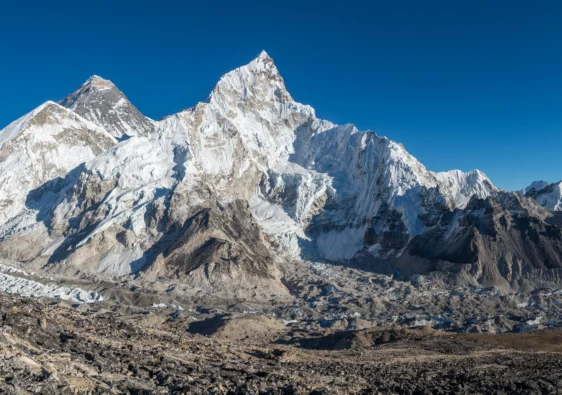
Standing at Everest Base Camp, surrounded by the towering peaks of the Himalayas, is an unforgettable experience that makes every step of the journey worthwhile.
FAQs About Everest Base Camp Trek
The Everest Base Camp Trek is moderately to highly challenging. It does not require technical climbing skills, but the high altitude, long walking days, and rugged terrain make it physically demanding.
Yes, beginners can complete the trek with proper preparation. A basic level of fitness, regular walking or cardio training, and a positive mindset are enough to complete the journey successfully.
On average, the trek takes around 12 to 14 days. This includes walking days as well as acclimatization days to help your body adjust to the high altitude.
The highest point of the trek is Everest Base Camp at 5,364 meters. Many trekkers also hike to Kala Patthar (5,545 meters) for panoramic views of Mount Everest.
Yes, altitude sickness can occur because the trek reaches very high elevations. However, it can be prevented by walking slowly, staying hydrated, and following proper acclimatization days.
No prior trekking or mountaineering experience is required. However, being physically active and preparing your body before the trek is highly recommended.
The best seasons are spring (March to May) and autumn (September to November) when the weather is stable and the mountain views are clear.
Trekkers usually walk around 5 to 7 hours per day depending on the route, altitude, and weather conditions.
Good cardiovascular endurance and leg strength are helpful. Activities like walking, jogging, hiking, and stair climbing before the trek are very beneficial.
Yes, absolutely. Despite the challenges, the breathtaking Himalayan scenery, cultural experience, and achievement of reaching base camp make it one of the most rewarding treks in the world.