Prabi
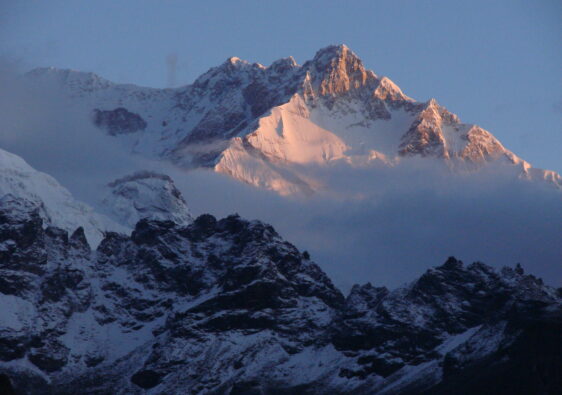
PrabiNepal stands proudly as one of the world’s greatest mountain destinations. With eight of the ten highest peaks on Earth and hundreds of towering Himalayan giants, the country offers unforgettable trekking experiences for adventurers from every corner of the globe.
Among all trekking routes, two stand above the rest in popularity and reputation — Everest Base Camp (EBC) and Annapurna Base Camp (ABC). Both journeys promise breathtaking landscapes, cultural encounters, and personal achievement. Yet, they deliver very different experiences.
If you’re planning a Himalayan trek and struggling to choose between these two iconic routes, this detailed comparison will help you decide based on accessibility, scenery, difficulty, cost, culture, comfort, and overall adventure value.
Overview: Everest Base Camp and Annapurna Base Camp
Before diving into the details, here’s a quick snapshot:
- Everest Base Camp (5,364 m): Takes you to the base of the world’s highest mountain, offering dramatic high-altitude landscapes and legendary Himalayan views.
- Annapurna Base Camp (4,130 m): Leads into a natural amphitheater surrounded by towering peaks, famous for diverse scenery and easier accessibility.
Both treks deliver world-class experiences — the best choice depends on your preferences and trekking goals.
Accessibility and Transportation
Reaching the starting point of each trek plays an important role in overall travel planning. Transportation options, road access, and flight availability can affect budget, schedule flexibility, and convenience.
Getting to Everest Base Camp
Reaching the Everest region usually begins with a scenic mountain flight to Lukla. This short flight saves days of walking but introduces an element of adventure due to weather conditions and mountainous terrain.
From Lukla, trekkers gradually climb through Sherpa villages and alpine valleys until reaching base camp. Helicopter access is also available for those short on time or seeking aerial views.
Getting to Annapurna Base Camp
The Annapurna region is far easier to access by road. Most treks start from Pokhara, a well-developed lakeside city connected to Kathmandu by highway and domestic flights.
This convenience makes Annapurna Base Camp more flexible for travelers who prefer smoother logistics and fewer flight uncertainties.
Winner for accessibility: Annapurna Base Camp
Trek Duration and Distance
The total length and number of trekking days can vary depending on the chosen route and pace. However, in general, Everest Base Camp requires more time and endurance compared to Annapurna Base Camp.
Shorter itineraries are more easily available for Annapurna, making it ideal for trekkers with tighter schedules.
Everest Base Camp Trek Length
- Average duration: 12 to 16 days
- Total distance: Around 130 kilometers (round trip)
- Includes acclimatization days and optional viewpoints such as Kala Patthar
Annapurna Base Camp Trek Length
- Average duration: 7 to 12 days
- Total distance: Around 110 kilometers (round trip)
- Can be extended by combining with other scenic routes in the Annapurna region
If time is limited, Annapurna Base Camp is easier to fit into shorter travel schedules.
Difficulty Level and Physical Challenge
Although both treks are considered moderate to challenging, the physical demands vary based on altitude, daily walking hours, terrain, and acclimatization requirements.
Altitude Factor
Everest Base Camp:
- Base camp altitude: 5,364 meters
- Highest point: Kala Patthar (5,555 meters)
Annapurna Base Camp:
- Highest point: 4,130 meters
Higher altitude means thinner oxygen, colder temperatures, and increased fatigue. This makes the Everest route more physically demanding.
Trail Conditions
Everest routes involve longer daily hikes and more exposure to extreme mountain environments. Annapurna trails offer gradual elevation gain and varied terrain, making the trek more manageable for many hikers.
More challenging trek: Everest Base Camp
More beginner-friendly trek: Annapurna Base Camp
Scenery and Landscape Diversity
One of the biggest attractions of Himalayan trekking is the breathtaking scenery. Each route offers its own visual character shaped by altitude, vegetation, and geological features.
Annapurna Base Camp Landscape
Annapurna is famous for its dramatic variety. Along the trail, trekkers experience:
- Subtropical forests and waterfalls
- Terraced farmland
- Bamboo jungles
- Alpine meadows
- Glacial valleys
- Snow-covered peaks
The constant change in scenery keeps every day visually exciting.
Everest Base Camp Landscape
Everest trekking focuses on high-altitude Himalayan wilderness:
- Massive glaciers
- Rugged mountain valleys
- Snow-dusted ridges
- Towering peaks like Lhotse, Nuptse, Ama Dablam, and Everest
While less diverse in vegetation, the scale and raw beauty are unmatched.
Cultural Experience
Beyond natural beauty, both trekking regions offer rich cultural encounters that allow trekkers to experience traditional mountain lifestyles and local hospitality.
Culture in the Annapurna Region
The Annapurna region is home to diverse ethnic communities including Gurung, Magar, and Thakali villages. Along the way, trekkers encounter:
- Traditional stone villages
- Colorful prayer flags
- Farming communities
- Local food culture
This route offers a strong connection to everyday rural life in Nepal.
Culture in the Everest Region
Everest trekking is centered around Sherpa culture. Highlights include:
- Ancient monasteries
- Buddhist heritage
- Mountain lifestyle traditions
- Spiritual landmarks
The Sherpa community plays a central role in Himalayan mountaineering history, adding cultural depth to the journey.
Cost Comparison
Several factors affect trekking costs, including season, accommodation type, guide services, and group size.
In general:
- Everest Base Camp costs more due to flights, remoteness, and higher food transportation expenses.
- Annapurna Base Camp is more budget-friendly thanks to road access and larger infrastructure.
Also, prices increase as altitude rises since supplies must be carried by porters or animals.
Accommodation and Comfort
Lodging standards vary between the two regions depending on altitude and accessibility. Comfort level can significantly influence your overall trekking experience.
Annapurna Base Camp Comfort Level
The Annapurna region offers a wide range of lodges and guesthouses. Many villages provide:
- Comfortable beds
- Hot showers
- Wi-Fi in some areas
- Better food variety
Its proximity to Pokhara improves overall service quality.
Everest Base Camp Comfort Level
Everest lodges are more basic, especially at higher elevations. Facilities become simpler, with limited heating and basic amenities.
Trekkers seeking greater comfort often prefer Annapurna.
Wildlife and Conservation Areas
Both trekking routes pass through protected Himalayan conservation zones that preserve fragile ecosystems and native wildlife.
Both treks pass through protected national parks:
- Annapurna Base Camp: Located in Annapurna Conservation Area
- Everest Base Camp: Located in Sagarmatha National Park
Wildlife sightings may include Himalayan birds, mountain goats, and yaks (mainly in Everest). Annapurna has richer biodiversity due to varied ecosystems.
Adventure and Thrill Factor
If adventure is your main goal, Everest Base Camp offers a stronger adrenaline experience. High-altitude passes, glacier crossings, and extreme mountain landscapes create a powerful sense of expedition-style trekking.
Annapurna Base Camp focuses more on scenic beauty and comfort while still delivering a rewarding challenge.
Altitude Sickness Risk
Both treks involve high elevation, but Everest Base Camp carries a higher risk due to greater altitude gain.
To reduce risk:
- Walk slowly
- Stay hydrated
- Take acclimatization days seriously
- Listen to your body
Annapurna Base Camp generally poses fewer altitude-related issues for most trekkers.
Popularity and Global Recognition
Recognition and global reputation often influence trekkers when choosing a destination, especially for first-time Himalayan adventures.
Everest Base Camp is globally famous. Reaching it is often viewed as a lifetime achievement and instantly recognized worldwide.
Annapurna Base Camp is equally beautiful but less well-known outside trekking communities.
If international recognition matters to you, Everest holds stronger symbolic value.
Best Time to Trek
Seasonal weather conditions greatly affect visibility, trail safety, and overall trekking comfort.
Spring (March to May)
- Blooming rhododendrons
- Clear mountain views
- Moderate temperatures
Autumn (September to November)
- Stable weather
- Excellent visibility
- Peak trekking season
Annapurna can also be trekked in winter more easily than Everest due to lower altitude.
Which Trek Should You Choose?
Choose Annapurna Base Camp if you want:
- Shorter trek duration
- Easier access
- Diverse landscapes
- More comfort
- Lower altitude challenge
Choose Everest Base Camp if you want:
- Extreme high-altitude adventure
- Iconic mountain views
- Legendary trekking achievement
- Sherpa cultural immersion
Final Thoughts
Both Everest Base Camp and Annapurna Base Camp represent the very best of Himalayan trekking. Each offers a unique experience that leaves lasting memories.
Whether you seek the legendary footsteps beneath Mount Everest or the scenic sanctuary of the Annapurna range, either journey will reward you with unforgettable moments, personal growth, and breathtaking mountain beauty.
For many trekkers, the ultimate dream is to experience both — discovering two very different sides of Nepal’s Himalayan magic.
If you’re still planning your adventure and want deeper insights into routes, seasons, permits, packing tips, and trail preparation, you can also check out the Ultimate Nepal Trekking Guide 2026 to make your journey safer, smarter, and more rewarding.