Jen
JenNepal boasts numerous outstanding trekking routes, but among the best and least-traveled ones are the Manaslu Circuit Trek and the Tsum Valley Trek. Both are situated in the isolated Manaslu area and utilize the same starting trail, yet they provide completely different sightseeing. One is an adventurous mountain trek with breathtaking views, while the other one is full of cultural richness and spirituality in the valley.
Hopefully, this comparison will help you to make a more informed decision and see what each trek has to offer.
Overview
Apart from the world’s eighth-highest mountain, Mount Manaslu has the highest elevation and is a very beautiful trekking destination. The trek is famous for its changing environments, high mountain passes, and a great sense of adventure. Hikers have to go through river valleys, forests, and then up the hard Larkya La Pass, where they experience mountain culture and life.
The Tsum Valley trek, however, takes to the Hidden Valley, a side valley off the main Manaslu route, quickly called the “Hidden Valley”. The valley is influenced by Tibetan Buddhism and has been almost untouched by modernization, being a very quiet place to live. The trek does not include extreme altitude challenges but concentrates more on the culture, monasteries, and daily life.
Duration and Path
Normally, the Manaslu Circuit Trek lasts around 14 to 18 days, depending on the number of acclimatization days and the pace of walking. It leads in a circular way, finally joining the Annapurna region after going over the high pass.
The Tsum Valley Trek usually lasts 12 to 16 days when trekking alone. Many hikers want to do the Manaslu Circuit along with the Tsum Valley Trek; therefore, the trip lasts around 18 to 23 days. In this case, the trekkers enter Tsum Valley first and after that, go back to the main circuit trail.
Difficulty and Altitude
The Manaslu Circuit Trek is rated as moderately difficult to difficult overall. The biggest problem with it is the long walking days that are accompanied by untamed wilderness and the crossing of Larkya La Pass, which is higher than 5,100 m. Acclimatization and good physical condition are prerequisites.
The Tsum Valley Trek is in most cases less strenuous. The highest places are not too high, and there are no significant passes at high altitudes. Thus, it is ideal for hikers who seek to be in lonely places without the danger of height. But still, the trek requires good stamina and a basic level of fitness.
Scenery and Natural Beauty
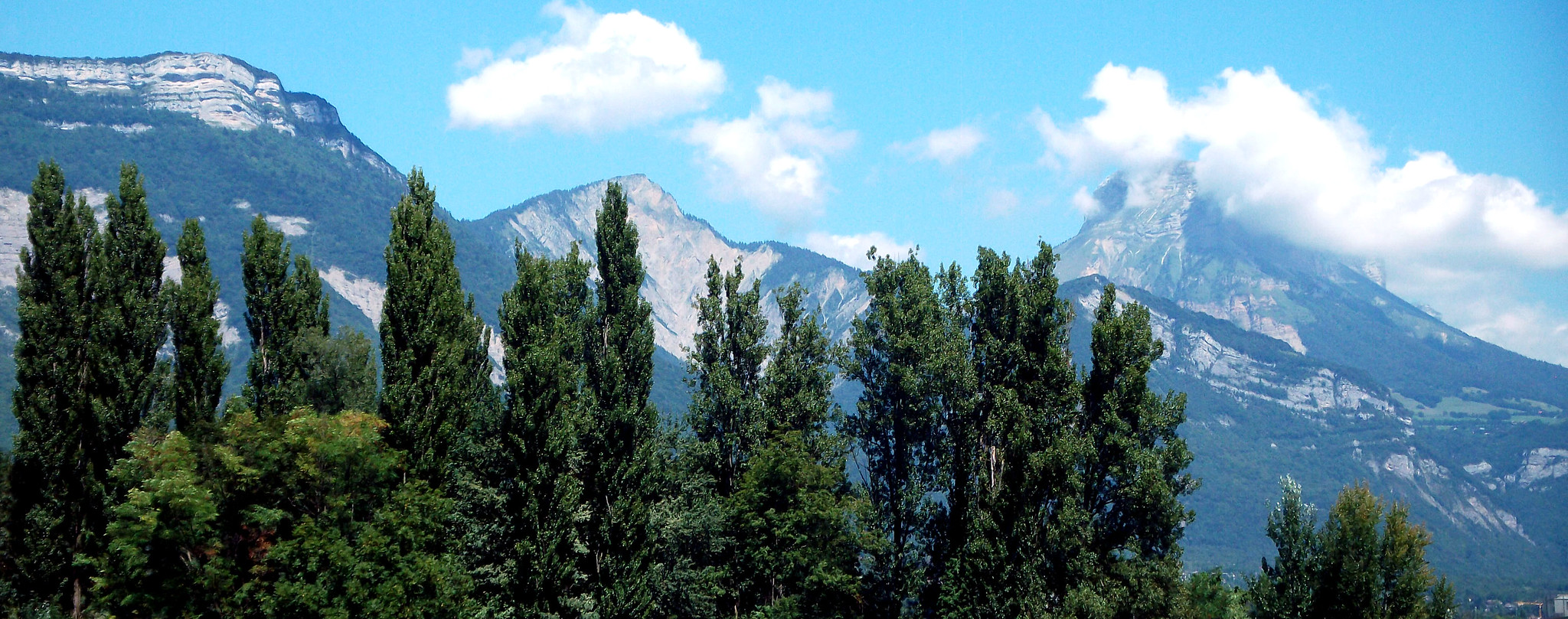
Manaslu Circuit offers one of the most diverse and beautiful sceneries in the country. From the very beginning, you will be walking through the very areas of Nepal that nobody could think of: from the subtropical forests to rocky alpine landscapes, with constant views of Manaslu, Himchuli, and Ganesh Himal peaks along the way. Crossing the high pass is another important part of the trek, which comes with stunning mountain views.
The Tsum Valley, on the other hand, is quieter and more peaceful. The landscape is not so much about open space where one can look far and wide, but rather the valley’s beautiful features of deep gorges, rivers, farmlands, and mountains that provide a backdrop. The main attraction of Tsum is its undisturbed nature and tranquil environment, rather than the dramatic high-altitude theater.
Cultural Experience
Both treks are culturally rich, but Tsum Valley is more of a cultural-centered trek.
Trekkers along the Manaslu Circuit are introduced to Gurung, Tamang, and Tibetan-influenced settlements. Prayer flags, mani walls, and monasteries are widespread, imparting a powerful Himalayan cultural experience.
The Tsum Valley trip gives one a closer-up cultural experience. The valley clings to the Buddhist ways and many villages still practice old customs. Monasteries like Mu Gompa and Rachen Gompa are places where life revolves around and the area has a strong reclusive atmosphere that feels very different from the cosmopolitan trekking routes.
Accommodation and Facilities
The Manaslu Circuit boasts an increasing number of teahouses, thus making food and shelter more readily available, especially on the main trail.
On the other hand, Tsum Valley offers very basic accommodation. The number of teahouses and homestays is limited, and the available facilities are basic. Although this makes the experience more genuine, it needs patience and a dose of realism as well.
Permits and Regulations
The two treks are in restricted areas, thus special permits and a licensed guide are obligatory for foreigners. The process of getting the permit is more complicated than for the treks to Everest and Annapurna, but on the other hand, it also helps to maintain the area’s natural and cultural heritage.
Best Time to Trek
Spring (March to May) and autumn (September to November) are the best seasons for both treks. These months are characterized by good weather, unobstructed views of the mountains, and pleasant hiking conditions.
Although winter trekking is possible, it is cold, especially on the Manaslu Circuit due to the snow at the high passes. Tsum Valley is somewhat easier during winter thanks to its lower elevation.
Final Thoughts: Which Trek Is Right for You?
If you want a classic high-altitude Himalayan adventure with the Manaslu Circuit Trek, then this trek is for you:
- Diverse landscapes and dramatic mountain views.
- Physically demanding and rewarding trek.
- On the contrary, Tsum Valley Trek is for you if you are looking for:
- Quieter, less crowded way.
- Deep cultural and spiritual experiences.
- Moderate altitude with fewer physical challenges.
For those trekking with extra time and energy, combining Tsum Valley with the Manaslu Circuit gives the best of both worlds: immersion in culture and high mountain adventure in one unforgettable journey.