Lami
LamiNepal is world-famous for its classic trekking routes, but beyond the popular trails lie some truly untouched Himalayan regions known as restricted areas. These special trekking zones are protected by the Nepalese government to preserve their fragile ecosystems, ancient cultures, and traditional lifestyles.
Restricted area trekking in Nepal offers a rare chance to walk through timeless villages, encounter centuries-old traditions, and explore dramatic landscapes that feel almost untouched by modern civilization. Although a special trekking permit is required—and costs a little more—the experience is exceptionally rewarding and well worth the investment.
1. Upper Mustang Trek
The Upper Mustang Trek is one of the most iconic restricted area treks in Nepal. This journey takes you into the former Kingdom of Lo, a region that feels frozen in time. With its arid landscapes, colorful rock formations, deep gorges, and wind-carved cliffs, Upper Mustang is unlike any other part of Nepal.
As you trek through ancient villages and cross high mountain passes, you’ll witness Tibetan-influenced culture at its purest. The highlight of the trek is Lo Manthang, the walled capital of the old kingdom, where ancient monasteries, caves, and royal palaces reveal a fascinating past that remains largely untouched by modern development.
2. Manaslu Circuit Trek
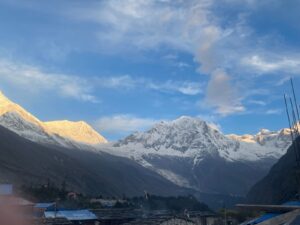
The Manaslu Circuit Trek has become a popular alternative to the Annapurna Circuit, especially as road access has shortened parts of the Annapurna trail. Located in a remote corner of the Himalayas, Manaslu offers a quieter, more authentic trekking experience.
This challenging yet rewarding trek takes you through dramatic mountain scenery, remote villages, and high alpine passes. As you gain elevation, the isolation of the region becomes more apparent, allowing you to experience traditional mountain life and age-old cultural practices in their natural setting.
3. Tsum Valley Trek
Hidden within the Manaslu region, the Tsum Valley Trek is a spiritual and cultural gem. This sacred valley remained closed to outsiders until recently, helping preserve its deeply rooted Buddhist traditions and peaceful way of life.
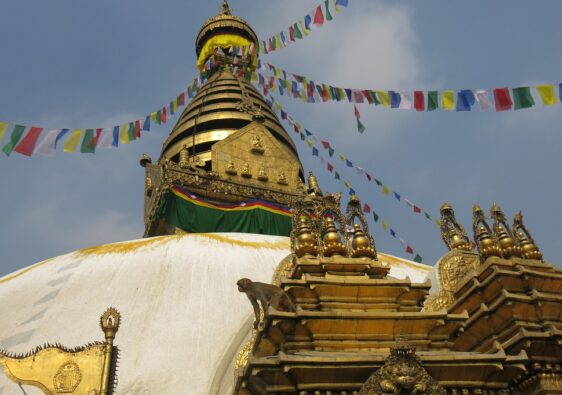
Trekking through Tsum Valley feels like stepping into another era. Ancient monasteries, prayer flags, mani walls, and welcoming local communities create a serene atmosphere. The strong spiritual influence and unspoiled culture make this trek a deeply meaningful experience for those seeking more than just mountain views.
4. Upper Dolpo Trek
The Upper Dolpo Trek is one of Nepal’s most remote and adventurous trekking journeys. Located in western Nepal, this wilderness trek takes you far beyond the usual tourist routes into a rugged, isolated Himalayan landscape.
Upper Dolpo offers vast open spaces, ancient villages, dramatic mountain scenery, and stunning high-altitude lakes. Trekking here truly feels like an expedition into the unknown. With very few trekkers on the trail, the region provides a raw and authentic wilderness experience that leaves a lasting impression.
5. Nar Phu Valley Trek
The Nar Phu Valley Trek explores two secluded valleys north of the Manang district—Nar and Phu. Branching off from the Annapurna Circuit, this trek leads you into a lesser-visited world of ancient villages, stone houses, and traditional Tibetan-style culture.
Because Nar Phu was only opened to trekkers in recent years, the culture and environment remain largely untouched. The trek can also be combined with the Annapurna Circuit, making it an excellent choice for those looking to extend their adventure with a more remote experience.
Best Time for Restricted Area Trekking in Nepal
The most favorable seasons for restricted area trekking are spring (March to May) and autumn (September to November). During these months, the weather is generally stable, temperatures are moderate, and visibility is excellent, offering clear views of snow-capped peaks.
Some restricted regions, such as Upper Mustang and Upper Dolpo, lie in the rain-shadow of the Himalayas. This makes them ideal trekking destinations even during the monsoon season (June to August), when most other trekking routes experience heavy rainfall.
Winter trekking is possible in certain lower-elevation restricted areas, but harsh weather, snowfall, and limited services can make high-altitude treks extremely challenging.
Restricted Area Trekking Permit System
Restricted areas in Nepal require special permits issued by the Government of Nepal. These permits are designed to protect local culture, manage tourism flow, and preserve sensitive environments.
Permits can only be arranged through a registered trekking agency, and trekking must be accompanied by a licensed guide. Some regions also require a minimum of two trekkers to issue permits. Permit costs vary depending on the region and duration of the trek and are higher than regular trekking permits.
Frequently Asked Questions (FAQs)
1. What is restricted area trekking in Nepal?
Restricted area trekking refers to trekking in specific Himalayan regions that require special permits due to their sensitive culture, border location, or environmental importance. These areas are protected by the Nepal government.
2. Why do I need a special permit for restricted area treks?
Special permits help preserve local culture, control tourism, and protect fragile ecosystems. The fees also support local development and conservation efforts.
3. Can I trek in restricted areas independently?
No. Restricted area trekking in Nepal must be done with a licensed trekking agency and a registered guide. Solo trekking is not allowed in these regions.
4. Which are the most popular restricted area treks in Nepal?
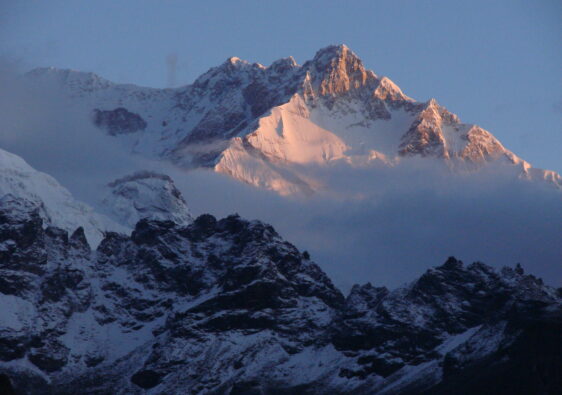
Some of the most popular restricted area treks include Upper Mustang, Manaslu Circuit, Tsum Valley, Upper Dolpo, Nar Phu Valley, and Kanchenjunga.
5. Are restricted area treks more expensive than regular treks?
Yes, restricted area treks generally cost more due to special permit fees, mandatory guides, remote logistics, and limited infrastructure. However, the unique experience makes it worthwhile.
6. What is the best time for restricted area trekking in Nepal?
The best seasons are spring (March–May) and autumn (September–November) when the weather is stable and mountain views are clear.
7. How difficult are restricted area treks?
Most restricted area treks are moderate to challenging due to high altitude, longer walking days, and remote terrain. Good physical fitness and prior trekking experience are recommended.
8. What kind of accommodation is available on these treks?
Accommodation ranges from basic teahouses to camping, depending on the region. Remote areas like Upper Dolpo often require fully supported camping treks.
9. Is altitude sickness a concern on restricted area treks?
Yes. Many restricted area treks reach high elevations above 4,000 meters. Proper acclimatization, a gradual itinerary, and experienced guides help reduce the risk.
10. Why should I choose a restricted area trek over a popular route?
Restricted area treks offer fewer crowds, deeper cultural immersion, pristine landscapes, and a true wilderness experience, making them ideal for adventurous trekkers seeking something unique.