Prabi
PrabiNepal is the crown jewel of trekking destinations worldwide, boasting eight of the fourteen highest peaks on Earth and trails that range from gentle valley walks to challenging high-altitude expeditions. For travelers seeking adventure, cultural immersion, and awe-inspiring landscapes, Nepal remains unparalleled.
This guide offers an in-depth look at the top trekking routes for 2026, including difficulty levels, best seasons, safety tips, and everything you need to plan a safe and memorable journey in the Himalayas.
Understanding Nepal’s Trekking Regions
Nepal is divided into trekking zones, each offering a distinct combination of landscapes, culture, and challenge. Here’s a quick overview:
- Everest Region (Khumbu): Iconic high-altitude trails, rich Sherpa culture, and dramatic mountain views.
- Annapurna Region: Diverse ecosystems, ranging from subtropical forests to alpine meadows, with trekking options for all levels.
- Langtang Region: Close to Kathmandu, less crowded, and known for its natural beauty and cultural authenticity.
- Manaslu Region: Remote trails requiring restricted permits, offering untouched landscapes and traditional village life.
- Dolpo & Upper Mustang: Rain-shadow regions with Tibetan Buddhist culture and arid, desert-like landscapes.
- Kanchenjunga Region: Eastern Nepal’s pristine wilderness with minimal crowds, ideal for experienced trekkers seeking solitude.
Top Trekking Routes for 2026
Everest Base Camp Trek
- Duration: 12–14 days
- Maximum Elevation: 5,364m (Kala Patthar)
- Difficulty: Moderate to Challenging
- Best Seasons: March–May, September–November
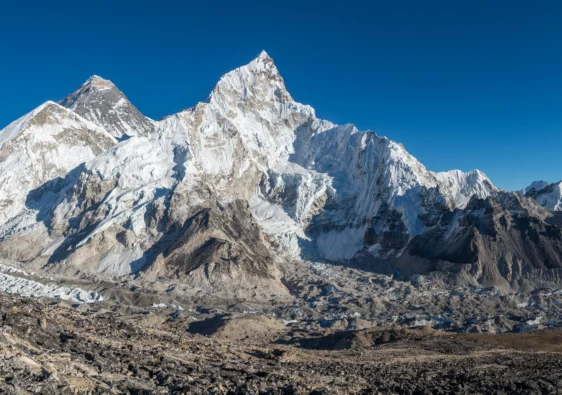
The Everest Base Camp trek remains Nepal’s most famous route. Walk through Sherpa villages, explore ancient monasteries, and stand in awe at the base of the world’s tallest mountain.
Highlights:
- Scenic flight to Lukla – one of the world’s most breathtaking airport approaches
- Namche Bazaar (3,440m) – the Sherpa capital with acclimatization opportunities
- Tengboche Monastery (3,867m) – spiritual center with Everest views
- Gorak Shep and Everest Base Camp (5,364m)
- Sunrise at Kala Patthar for panoramic Everest vistas
Key Considerations:
Altitude sickness is the main challenge. Proper acclimatization in Namche Bazaar and Dingboche is essential. Experienced guides monitor trekkers and adjust schedules if symptoms arise.
Annapurna Circuit Trek
- Duration: 15–20 days
- Maximum Elevation: 5,416m (Thorong La Pass)
- Difficulty: Challenging
- Best Seasons: March–May, October–November
The Annapurna Circuit offers incredible biodiversity and cultural variety. Hike from lush subtropical forests to alpine deserts, crossing multiple climatic zones in a single trek.
Highlights:
- Acclimatization in Manang Valley with optional side trips
- Thorong La Pass (5,416m) – trek’s high point
- Muktinath Temple – a sacred site for Hindus and Buddhists
- Tatopani hot springs – relax tired muscles
- Optional Poon Hill (3,210m) sunrise detour
Key Considerations:
The Thorong La Pass is physically demanding; early morning crossings are safest. Infrastructure changes, like road construction, may alter the classic route, but walking trails remain accessible. Adding Upper Mustang creates a 25–30 day cultural and natural adventure.
Annapurna Base Camp Trek
- Duration: 7–12 days
- Maximum Elevation: 4,130m
- Difficulty: Moderate
- Best Seasons: March–May, September–November
Ideal for trekkers with limited time, the ABC trek rewards with sweeping Himalayan views, rhododendron forests, and authentic Gurung villages.
Highlights:
- Cultural experiences in Ghandruk village
- Annapurna Base Camp surrounded by Annapurna I, Machapuchare, and Hiunchuli
- Natural hot springs at Jhinu Danda post-trek
Key Considerations:
Steep stone staircases can strain knees—trekking poles help. Avalanche risk exists in certain areas, so guides monitor conditions closely.
Langtang Valley Trek
- Duration: 7–10 days
- Maximum Elevation: 4,984m (Tserko Ri)
- Difficulty: Moderate
- Best Seasons: March–May, October–November
Langtang is close to Kathmandu, perfect for short trips. Communities rebuilt after the 2015 earthquake offer both cultural immersion and natural beauty.
Highlights:
- Langtang National Park wildlife, including red pandas and Himalayan tahr
- Rebuilt Langtang village memorials
- Kyanjin Gompa monastery and yak cheese factory
- Optional Gosaikunda lake extension
Key Considerations:
Fewer trekkers mean intimate cultural experiences. Guides ensure safe navigation through updated trails and new teahouses.
Manaslu Circuit Trek
- Duration: 14–18 days
- Maximum Elevation: 5,160m (Larkya La Pass)
- Difficulty: Challenging
- Best Seasons: March–May, September–November
Manaslu Circuit Trek offers authentic Himalayan experiences with fewer crowds. Permits are required due to the restricted area.
Highlights:
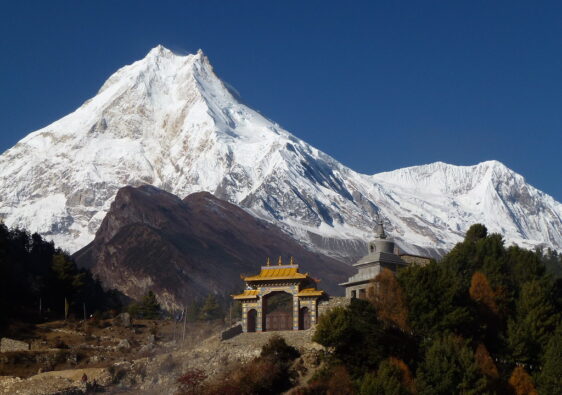
- Circumnavigation of Mount Manaslu (8,163m)
- Larkya La Pass crossing
- Traditional Tibetan Buddhist villages
- Rich biodiversity in lower subtropical zones
Key Considerations:
Snow conditions can affect Larkya La. Trekkers must travel with registered guides. Proper acclimatization is critical for safety.
Upper Mustang Trek
- Duration: 10–14 days
- Maximum Elevation: 3,810m (Lo Manthang)
- Difficulty: Moderate
- Best Seasons: March–November
Upper Mustang preserves Tibetan culture and medieval landscapes. Its rain-shadow location allows trekking during monsoon months.
Highlights:
- Lo Manthang walled city
- Sky caves and cliff-side monasteries
- Unique desert-like terrain
- Tibetan Buddhist traditions
Key Considerations:
Limited water sources and intense winds require preparation. Cultural sensitivity and knowledgeable guides are essential.
Gokyo Lakes Trek
- Duration: 12–15 days
- Maximum Elevation: 5,357m (Gokyo Ri)
- Difficulty: Challenging
- Best Seasons: March–May, September–November
A quieter alternative to Everest Base Camp, Gokyo offers six stunning glacial lakes and superior mountain views from Gokyo Ri.
Highlights:
- Turquoise lakes at 4,700–5,000m
- Ngozumpa Glacier – the largest in the Himalayas
- Optional Cho La Pass to connect with EBC route
Key Considerations:
Acclimatization is critical due to fast elevation gains. Gokyo Ri summit requires steep climbing before sunrise for safer conditions.
Kanchenjunga Base Camp Trek
- Duration: 20–25 days
- Maximum Elevation: 5,143m (Pangpema, North Base Camp)
- Difficulty: Very Challenging
- Best Seasons: March–May, September–November
Kanchenjunga offers remote wilderness, pristine forests, and limited infrastructure—perfect for seasoned trekkers seeking solitude.
Highlights:
- North and south base camps
- Remote Limbu and Sherpa villages
- Rhododendron, magnolia, and orchid forests
Key Considerations:
Long duration and remoteness demand fitness and high-altitude experience. Guides must handle emergencies due to minimal facilities.
Choosing Your Trek: Factors to Consider
Fitness and Experience
- Beginner: Poon Hill, Mardi Himal, Pikey Peak
- Intermediate: Annapurna Base Camp, Langtang Valley
- Advanced: Everest Base Camp, Annapurna Circuit, Gokyo Lakes
- Expert: Manaslu Circuit, Kanchenjunga, Three Passes Trek
Time Available
- 7–10 days: Annapurna Base Camp, Langtang
- 10–14 days: Everest Base Camp, Gokyo Lakes, Upper Mustang
- 14–18 days: Annapurna Circuit, Manaslu Circuit
- 10-20+ days: Kanchenjunga Circuit Trek, Three Passes Trek
Seasonal Considerations
- Spring (Mar–May): Rhododendron blooms, clear views, increasing crowds
- Autumn (Sep–Nov): Crisp air, excellent visibility, peak season
- Monsoon (Jun–Aug): Only rain-shadow regions feasible, fewer crowds
- Winter (Dec–Feb): Minimal crowds, extreme cold at high altitude
Preparing for Your Nepal Trek
Physical Training
- Cardio: Hiking, stair climbing, running, cycling
- Strength: Legs, core, back exercises
- Practice Hikes: Gradually increase distance and elevation
- Altitude Prep: Fitness helps oxygen efficiency but does not prevent altitude sickness
Essential Gear
- Clothing: Moisture-wicking layers, insulated jacket, waterproof shell
- Footwear: Trekking boots, camp shoes, quality socks
- Equipment: Sleeping bag, trekking poles, headlamp, water purification, daypack
Permits
- TIMS card, National Park permits, Restricted Area permits (Manaslu, Upper Mustang, Kanchenjunga, Dolpo)
- Nepal visa obtained on arrival or in advance
Acclimatization Tips
- Ascend gradually (max 500m/day above 3,000m)
- Rest days every 3–4 days
- Hydrate 4–5 liters/day
- Avoid alcohol and sleeping medications
Trekking Responsibly
Cultural Etiquette
- Walk clockwise around monasteries and stupas
- Ask permission before photographing locals
- Dress modestly in villages and religious sites
Environmental Responsibility
- Leave no trace, carry out all waste
- Use reusable water bottles
- Support eco-friendly lodges and conservation efforts
Supporting Local Communities
- Tip guides and porters appropriately
- Buy handicrafts directly from artisans
- Avoid giving candy or money to children
Final Thoughts
Nepal’s trekking routes cater to every type of adventurer. From moderate treks ideal for first-timers to remote expeditions for experienced hikers, the Himalayas offer challenges, cultural experiences, and awe-inspiring scenery.
Planning ahead, training properly, respecting local customs, and trekking responsibly ensures a safe and unforgettable journey. In 2026, Nepal awaits with trails that promise personal growth, physical adventure, and a deep connection to the world’s most magnificent mountains.