Sabana
Introduction: Where the journey being
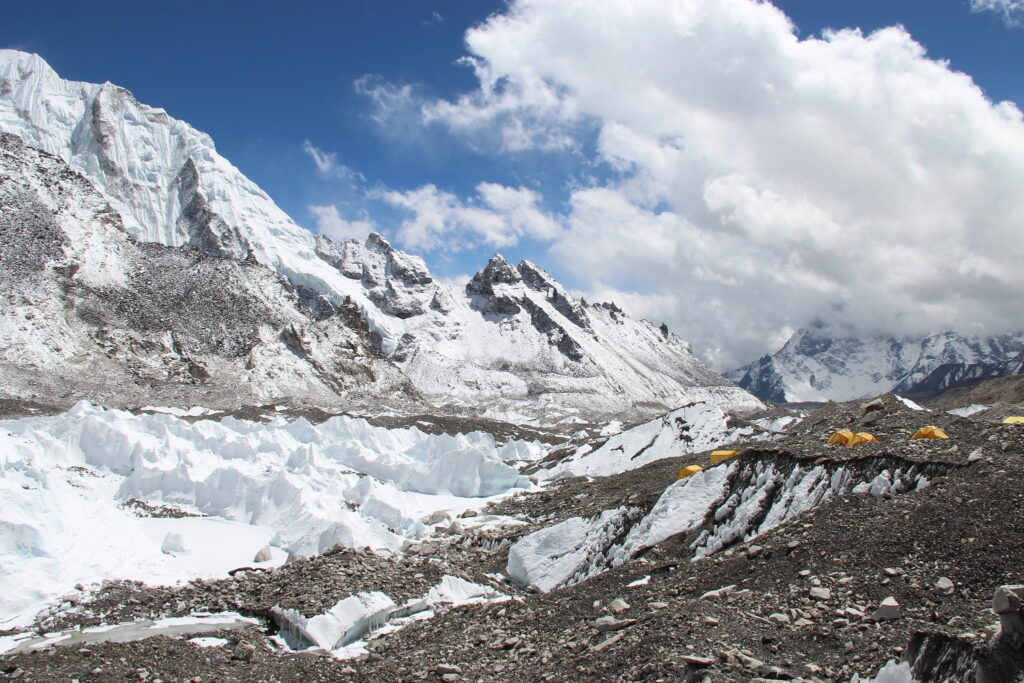
Solo trekking to Everest Base Camp is more than just a physical journey it’s a deeply personal adventure through the heart of the Himalayas. Surrounded by towering peaks, remote villages, and breathtaking landscapes, this trek offers a unique opportunity to disconnect from the world and reconnect with yourself.
Choosing solo trekking to Everest Base Camp allows you to move at your own pace, embrace solitude, and fully experience the raw beauty of nature. From the vibrant streets of Kathmandu to the peaceful trails leading to the base of Mount Everest, every step becomes a story of courage, discovery, and self-growth.
Whether you are seeking adventure, clarity, or a once-in-a-lifetime experience, trekking Everest Base Camp alone is truly a life-changing journey.
Why Everest Base Camp is Ideal for Solo Trekkers
Trekking alone might sound intimidating, but the Everest region is one of the safest and most accessible places to do it.
- Well-Marked Trails
The route is clear and easy to follow, reducing the chances of getting lost.
- Supportive Environment
You’ll find teahouses, guides, and fellow trekkers along the way.
- Welcoming Culture
The hospitality of the Sherpa people makes the journey even more special.
- Balance of Solitude and Social Life
You can enjoy peaceful moments alone while still connecting with others.
Everest Base Camp Trek Overview
- Understanding the trek helps you prepare better and enjoy the experience fully.Duration: 12–14 days
- Difficulty: Moderate to Challenging
- Maximum Altitude: 5,364 meters
- Starting Point: Lukla Airport
Highlights of the Trek
- Scenic flight to Lukla
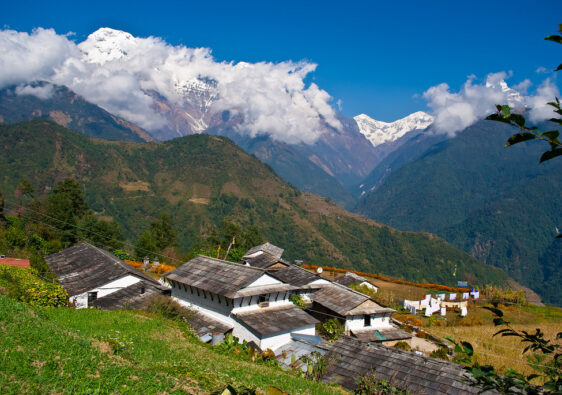
- Trekking through forests and suspension bridges
- Visit to Namche Bazaar
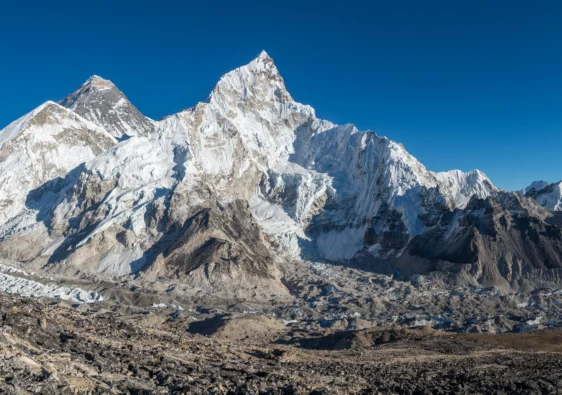
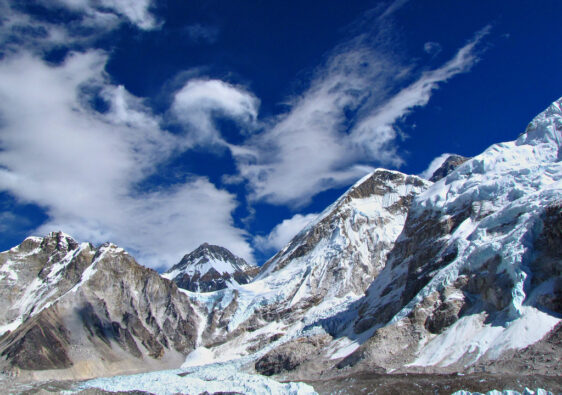
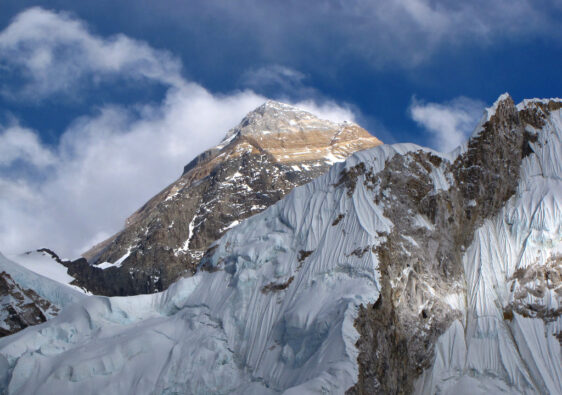
- Close views of Mount Everest
- Sunrise from Kala Patthar
Day-by-Day Itinerary
| Day | Route | Details |
|---|---|---|
| Day 1 | Arrival in Kathmandu | Arrive and make final preparations including permits and gear check |
| Day 2 | Lukla → Phakding | Take a scenic flight to Lukla and begin trekking to Phakding |
| Day 3 | Trek to Namche Bazaar | Gradual climb through forests and suspension bridges to the main Sherpa town |
| Day 4 | Acclimatization Day | Take short hikes around Namche to adjust to the altitude |
| Day 5–6 | Trek to Tengboche & Dingboche | Enjoy scenic trails, monasteries, and stunning mountain views |
| Day 7 | Rest Day in Dingboche | Important acclimatization day for high altitude |
| Day 8–9 | Trek to Lobuche & Gorak Shep | Trek higher into the Himalayas, getting closer to Everest |
| Day 10 | Visit Everest Base Camp | Reach Everest Base Camp and celebrate your achievement |
| Day 11 | Hike to Kala Patthar | Early morning hike for panoramic sunrise views of Everest |
| Day 12–14 | Return Trek | Descend back to Lukla and fly to Kathmandu |
Packing Smart for the Trek
Packing the right items can make or break your journey.
Clothing Essentials
Thermal base layers
Insulated jacket
Waterproof outerwear
Trekking Gear
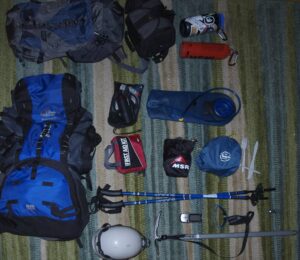
Comfortable trekking boots
Backpack (40–60L)
Trekking poles
Health & Safety
First-aid kit
Water purification tablets
Sunscreen and lip balm
Electronics
Power bank
Headlamp
Spare batteries
Safety Tips Every Solo Trekker Should Know
While the trek is safe, preparation is key.
Watch for Altitude Sickness
Ascend gradually and listen to your body.
Monitor Weather Conditions
Mountain weather can change quickly.
Stay on the Main Trail
Avoid shortcuts and isolated paths.
Keep Emergency Contacts
Always be prepared for unexpected situations.
Accommodation and Food on the Trail
Teahouses
Simple lodges offering a place to sleep and rest.
Meals
- Dal Bhat (traditional Nepali meal)
- Noodles, soups, and tea
Prices increase as you go higher due to transportation difficulty.
Internet and Connectivity
- Wi-Fi is available in many teahouses
- Mobile networks work in lower areas
Expect limited connectivity at higher altitudes
Cost Breakdown for Solo Trekking
Budgeting helps you plan better.
Daily Expenses
- Accommodation: $5–$10
- Food: $15–$25
- Extras: $5–$10
Additional Costs
- Lukla flight: $150–$200
- Permits: $30–$50
Estimated Total Cost
- Around $800–$1500 depending on your travel style.
Best Time to Trek
Spring (March–May)
- Pleasant weather
- Blooming landscapes
Autumn (September–November)
- Clear skies
- Best visibility
Avoid monsoon and extreme winter conditions.
Mental and Emotional Experience
Solo trekking is more than physical it’s deeply personal.
- You gain clarity and peace
- You build confidence
- You reconnect with yourself
- Every step becomes meaningful.
Challenges You May Face
- High altitude
- Physical exhaustion
- Basic living conditions
- Weather changes
These challenges shape the experience and make it unforgettable.
Why This Trek is Worth It
- Freedom and independence
- Personal growth
- Stunning landscapes
- Once-in-a-lifetime experience
It’s not just a journey it’s a transformation.
Final Thoughts
Solo trekking to Everest Base Camp is one of the most rewarding adventures you can take. It pushes your limits while offering moments of peace and clarity.
If you’re ready to challenge yourself and experience the beauty of the Himalayas, this trek is waiting for you.
Take the first step and let the mountains guide your path.
FAQs
Yes, it’s safe if you plan well and follow basic precautions.
Optional, but recommended if you’re new.
Moderate to difficult, mainly because of altitude.
Spring and autumn in the Himalayas.
Usually 12–14 days.
In simple teahouses along the route.
Walk slowly, stay hydrated, and acclimatize.
Around $800–$1500 depending on your budget.
Yes, with good preparation.
Yes, it’s a truly unforgettable experience.