Sabana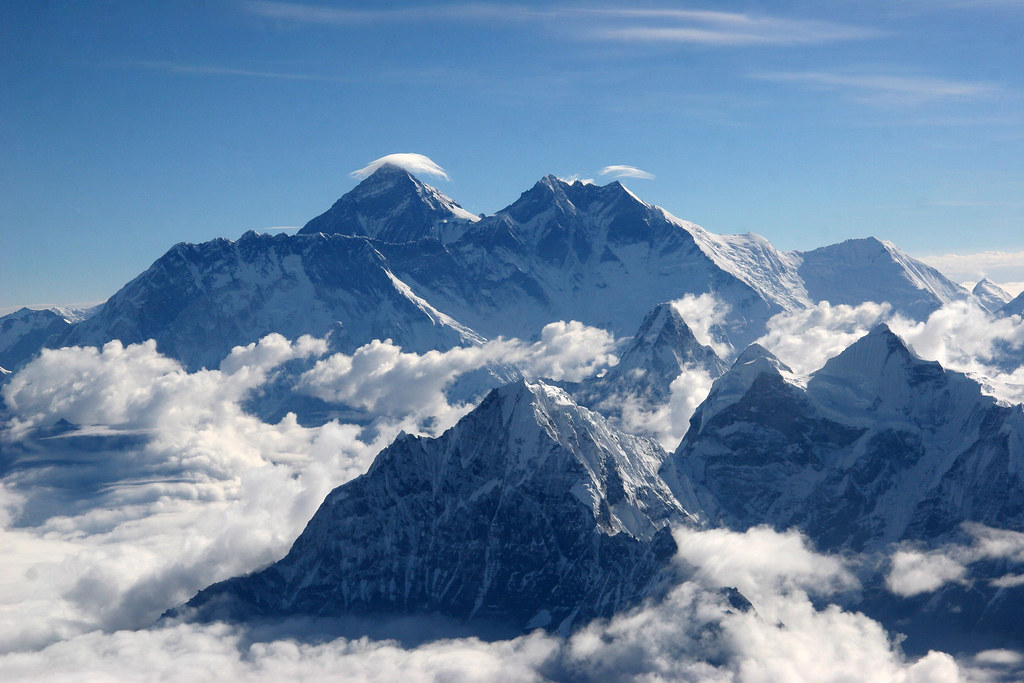
Introduction
Standing at an incredible height of8,848.86 meters, Mount Everest is the ultimate dream for adventurers around the globe. Whether you aspire to stand on the summit or simply reach its base, the Everest region offers an unforgettable journey through some of the most dramatic landscapes on Earth.
You can either take on the challenge of climbing or trekking Everest itself or choose the world-famous Everest Base Camp Trek, which allows you to experience the magic of the Himalayas without technical climbing.
Why Choose the Everest Base Camp Trek?
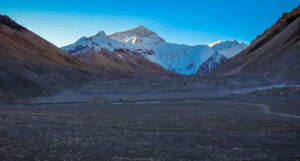
There are many trekking routes in Nepal, but the Everest Base Camp trek stands out for several reasons.
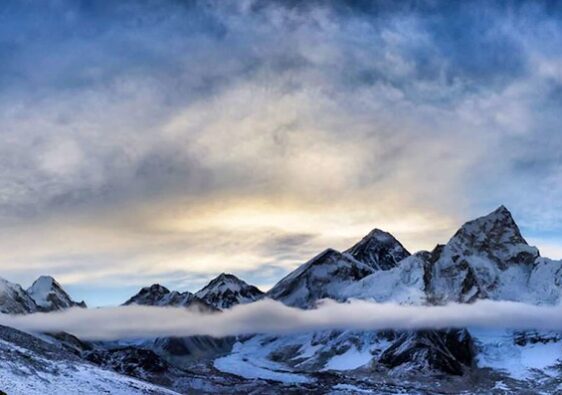
First, it offers unmatched views of iconic peaks like Everest, Ama Dablam, and Lhotse. Second, it allows you to experience the unique lifestyle of the Sherpa community. And most importantly, it gives you a sense of achievement that few adventures can match.
Unlike quieter routes like Manaslu Circuit Trek , Everest is more developed, meaning better accommodation, food options, and infrastructure perfect for first-time trekkers.
Overview of the Everest Region
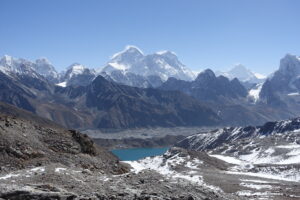
The Everest region, also known as the Khumbu region, lies within Sagarmatha National Park, a protected area rich in biodiversity and culture.
Your journey begins with a scenic flight from Kathmandu to Lukla, often called one of the most thrilling airports in the world.
From Lukla, the trail follows the Dudh Koshi River, passing through beautiful villages like Namche Bazaar, the main trading hub of the region.
The Everest Region: More Than Just a Trek
Located in northeastern Nepal, the Everest (Khumbu) region is far more than a trekking destination it’s a life-changing experience. Many travelers describe it as a spiritual journey, bringing them closer to peace, nature, and even a sense of “nirvana.”
This region is home to massive glaciers, deep valleys, towering peaks, and remote settlements where people live in some of the harshest conditions on Earth. The trail passes through traditional Sherpa villages, where Buddhist culture plays a central role in daily life.
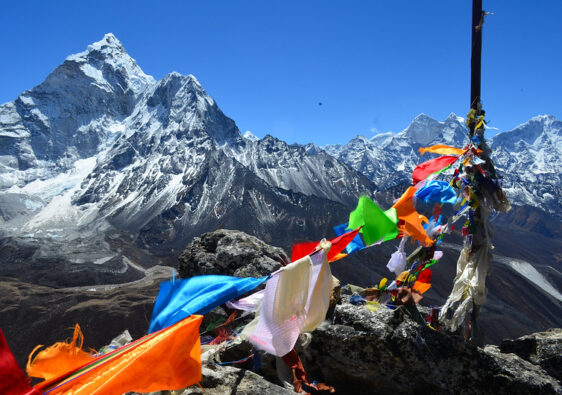
Monasteries (gompas), prayer flags, and chanting monks create a deeply spiritual atmosphere that adds meaning to the physical journey.
Journey to Everest: Routes and Access
Most trekkers begin their journey with a scenic flight from Kathmandu to Lukla, one of the most thrilling airports in the world.
However, for those who want a longer and more traditional experience, there is an alternative route starting from Jiri. This classic trail follows the footsteps of early Everest pioneers like Tenzing Norgay and Edmund Hillary.
Starting from Jiri adds about 8–10 extra days but offers better acclimatization and deeper cultural immersion.
Sagarmatha National Park
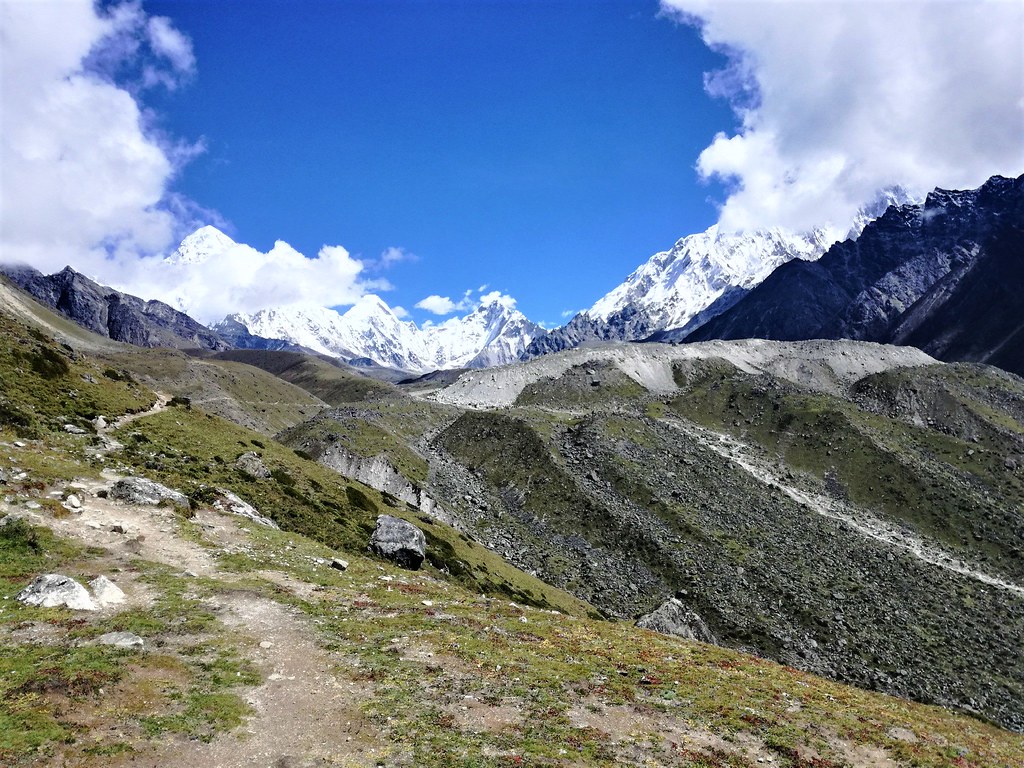
The Everest region lies within Sagarmatha National Park, which was listed as a UNESCO World Heritage Site in 1979.
This protected area is home to:
The region is home to some of the world’s highest and most famous peaks, including Mount Everest, Lhotse, and Cho Oyu, offering stunning panoramic views of the Himalayas. Beyond these majestic mountains, the area is rich in biodiversity and serves as a habitat for rare and endangered species such as the elusive snow leopard, the charming red panda, and the strong Himalayan black bear.
The region also features a wide variety of alpine vegetation and ecosystems. From lush green forests at lower altitudes to open meadows and rugged, barren terrain near the higher elevations, the landscape constantly changes throughout the journey. This rich combination of natural beauty and ecological diversity not only makes the region visually captivating but also highlights its importance as a unique and protected natural environment, perfect for both nature enthusiasts and adventure seekers.
Interesting Facts About Mount Everest
Mount Everest, the highest point on Earth, rises to an impressive height of 8,848.86 meters and is part of the Mahalangur Himal range. It was first successfully summited in 1953 by Tenzing Norgay and Edmund Hillary, marking a historic achievement in mountaineering. Despite its beauty and global fame, Everest is extremely dangerous temperatures at the summit can fall below -60°C, and the area above 8,000 meters, known as the “Death Zone,” has critically low oxygen levels that make survival very difficult. Over the years, more than 300 climbers have lost their lives attempting to reach the summit. Often referred to as the “Roof of the World,” Mount Everest continues to captivate adventurers while reminding them of the extreme challenges it presents.
Everest Base Camp Trek Itinerary (14 Days)
| Day | Activity | Route / Highlights |
|---|---|---|
| Day 1 | Arrival in Kathmandu | Arrive and prepare for the trek adventure |
| Day 2 | Fly to Lukla & Trek to Phakding | Scenic mountain flight, trek along Dudh Koshi River |
| Day 3 | Trek to Namche Bazaar | Cross suspension bridges, gateway to Everest region |
| Day 4 | Acclimatization Day | Hike to Everest View Hotel, explore Sherpa culture |
| Day 5 | Trek to Tengboche | Visit famous monastery with Himalayan views |
| Day 6 | Trek to Dingboche | Enter alpine zone, colder terrain |
| Day 7 | Acclimatization Day | Optional hike for altitude adjustment |
| Day 8 | Trek to Lobuche | Follow Khumbu Glacier, pass memorials |
| Day 9 | Trek to Everest Base Camp | Reach ultimate destination and celebrate |
| Day 10 | Hike to Kala Patthar | Sunrise views of Mount Everest |
| Day 11–12 | Return Trek | Descend back through familiar villages |
| Day 13 | Fly back to Kathmandu | Rest and relax after the trek |
| Day 14 | Departure | Final departure from Nepal |
Cost of Everest Trek & Climbing
Everest Base Camp Trek:
- Budget: $900 – $1,200
- Standard: $1,200 – $2,500
- Luxury: $3,000 – $6,000+
- Everest Climbing Expedition:
- Total Cost: $30,000 – $70,000+
Costs include permits, guides, accommodation, food, and logistics.
Food on the Everest Trek
Food is simple, warm, and energy-rich.
Lower Altitudes:
- Dal Bhat (rice and lentils)
- Pasta, noodles, pizza
- Eggs and pancakes
- Higher Altitudes:
- Potato dishes
- Soups (garlic soup is popular)
- Tibetan bread
How to Prepare for Climbing Everest
Climbing Everest requires serious preparation:
- Train for at least 6–12 months
- Build endurance and strength
- Learn technical climbing skills
- Gain experience on peaks above 6,000m
Everest Climbing Route
There are two main routes:
South Col Route (Nepal)
The most popular and slightly easier route.
North Ridge Route (Tibet)
More challenging and less crowded.
Climbers pass through multiple camps:
- Base Camp (5,364m)
- Camp I, II, III, IV
- Summit (8,848.86m)
The full expedition usually takes 6–8 weeks.
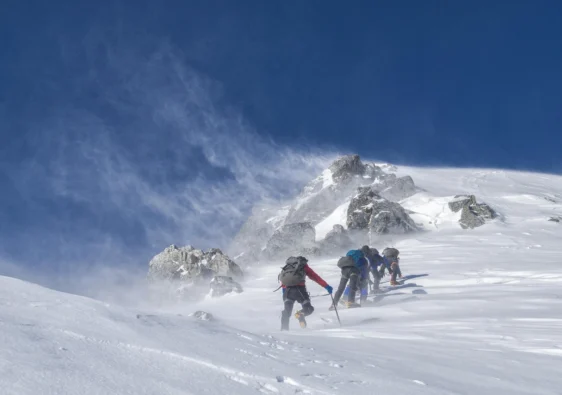
Why Climbing Everest is Challenging
- Extreme cold (below -50°C)
- Low oxygen levels
- Risk of avalanches and storms
- Physical and mental exhaustion
- Altitude sickness (AMS, HAPE, HACE)
Best Time to Climb Everest
Spring (April–May)
Best and most popular season
Autumn (Sept–Nov)
Less crowded but less stable weather
Avoid winter and monsoon seasons.
Permits Required
To climb Everest from Nepal, you need:
- Everest climbing permit ($11,000)
- Sagarmatha National Park permit
- TIMS card
- Expedition logistics support
Accommodation
- Teahouses during trekking
- Tents during climbing
Facilities become basic at higher altitudes.
Essential Packing List
- Down jacket
- Trekking boots
- Sleeping bag
- Warm layers
- First aid kit
Tips for a Successful Trek
- Walk slowly
- Stay hydrated
- Avoid alcohol
- Follow your guide
- Respect local culture
Final Thoughts
The Everest journey is not just about reaching a destination it’s about transformation. Whether you trek to base camp or attempt the summit, the experience will challenge you, inspire you, and stay with you forever.Standing in the shadow of Mount Everest is a moment that truly defines adventure.
FAQs
It’s a trekking route that takes you to the base of Mount Everest without requiring climbing skills.
Moderate to challenging, with long walking hours and high altitude.
Usually 12–14 days.
Kala Patthar (5,545m)
Not mandatory, but fitness is important.
Spring and autumn.
Yes, with proper acclimatization and guidance