aashma aaryal
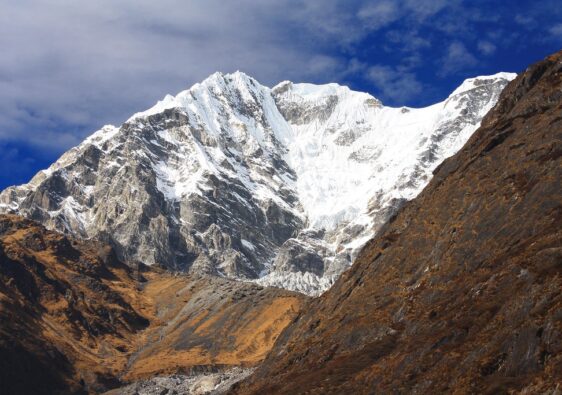
Jatapokhari and Panch Pokhari are two beautiful and spiritually significant high-altitude lakes located in Chuchure of Ramechhap District, Nepal. Surrounded by the Himalayan wilderness and the impressive Numburchuli mountain range, these lakes offer a unique combination of natural beauty, religious traditions, and local culture.
Jatapokhari: The Sacred Himalayan Lake
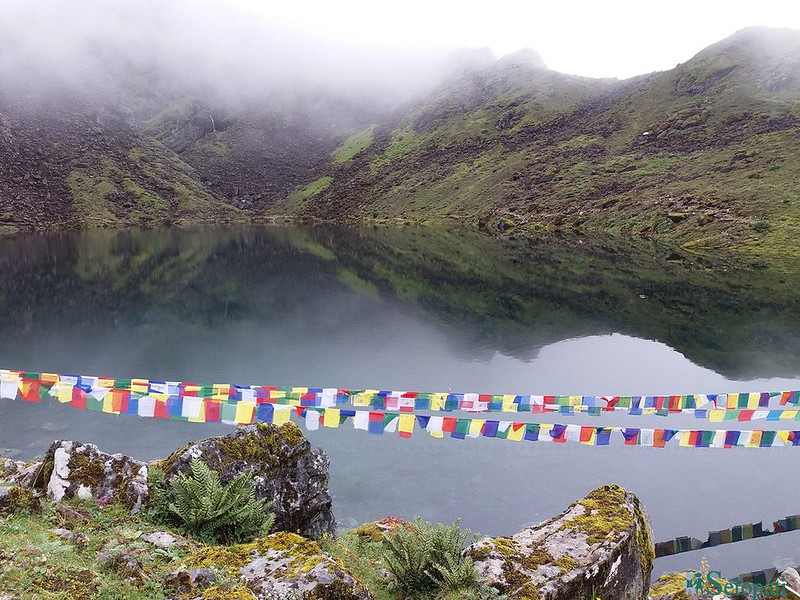
Jatapokhari is situated northeast of the Kathmandu Valley at an elevation of more than 4,000 meters. From Jatapokhari, Panch Pokhari can be reached by a scenic walk of around one and a half hours.
The lake holds an important place in Hindu religious tradition. According to local belief, during the Satya Yuga, Lord Shiva suffered from the effects of the halahal poison. It is believed that he entered the waters of Jatapokhari to find relief and peace. Because of this tradition, the lake is regarded as a sacred place and is sometimes associated with peace and spiritual purification.
Panch Pokhari Near Jatapokhari
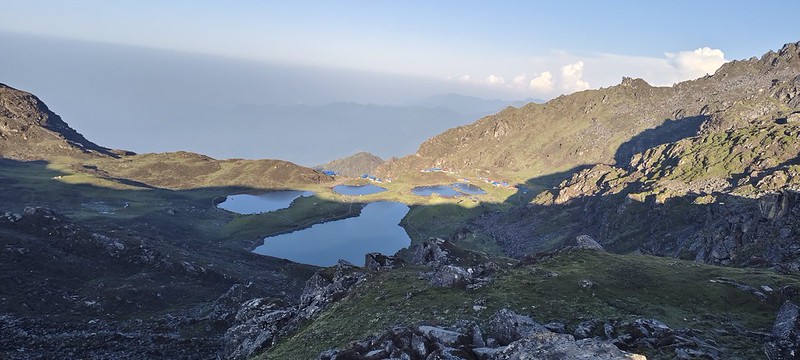
A short trek north of Jatapokhari leads to Panch Pokhari, a group of five sacred lakes. The lakes are deeply respected by local communities and Hindu pilgrims. Local traditions also associate the area with the Pandavas, the legendary heroes of the Mahabharata.
Together, Jatapokhari and Panch Pokhari form an important pilgrimage and trekking destination in the highlands of Ramechhap.
Religious Significance of Jatapokhari and Panch Pokhari
The lakes become especially important during Janai Purnima, when thousands of pilgrims travel to the region to worship and take part in traditional rituals. Local belief holds that bathing in the sacred waters of Jatapokhari can bring spiritual purification and help fulfill devotees’ wishes.
The journey itself is also an opportunity to experience the traditional lifestyle of the Himalayan communities living along the route.
Himalayan Landscape Around Jatapokhari and Panch Pokhari
Located above 4,000 meters, the landscape around the lakes is largely treeless. Instead of dense forests, visitors encounter alpine grasslands, rocky slopes, small shrubs, and mountain passes.
Despite the harsh environment, the region supports a variety of valuable medicinal plants and herbs. Species traditionally found in the area include sunpati, jatamasi (spikenard), kudaki, padamchal, panchaaule, dhupi, panmar, and bhutkesar. Other locally valued plants include chiraito, nirmasi, banmakai, bisnara, and akasbeli. Many of these plants have traditionally been used by local communities for medicinal purposes.
Local Culture Around Jatapokhari and Panch Pokhari
The villages and trekking routes around Jatapokhari are home to communities including Chhetris, Sherpas, and Tamangs. Their traditions and lifestyles add an important cultural dimension to the journey.
Travelers may also see yak shelters along the route. Yak herding plays an important role in the local economy, with communities producing traditional dairy products such as ghee, cheese, and butter.
The region is also known for traditional crafts, including wood carving and stone carving, reflecting the artistic heritage of the local communities.
A Journey of Nature, Faith, and Culture
Jatapokhari and Panch Pokhari are more than mountain lakes. They are places where Himalayan landscapes, religious traditions, biodiversity, and local culture come together. For trekkers and pilgrims seeking a quieter Himalayan experience away from Nepal’s more crowded destinations, the journey to these sacred lakes offers an opportunity to experience the country’s natural and cultural heritage.