Sabana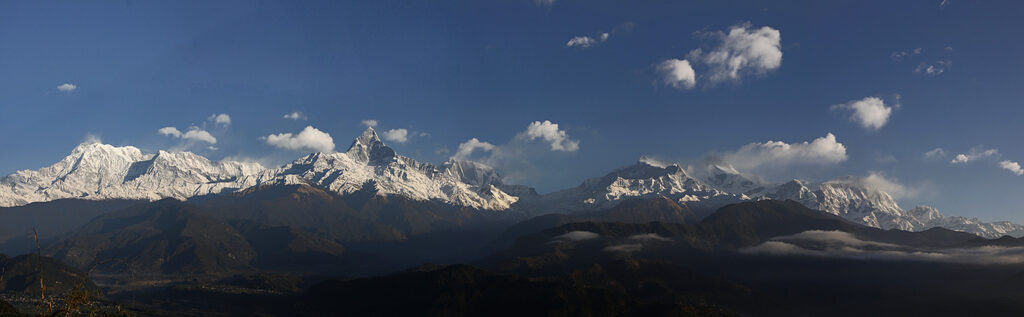
Introduction
Trekking in Nepal is an experience that goes far beyond adventure it is a journey into some of the most stunning landscapes on Earth. Located in the heart of the Himalayas, Nepal is a top destination for trekkers seeking breathtaking mountain views, rich cultural encounters, and a true sense of exploration. Every year, travelers from around the world visit Nepal to walk along its iconic trails and witness its natural beauty firsthand.
From the legendary route to Everest Base Camp to the diverse and scenic paths of the Annapurna Region and the tranquil landscapes of Langtang Valley, Nepal offers trekking options for all levels. Whether you prefer a challenging high-altitude trek or a shorter, more relaxed journey, there is something here for everyone.
What makes trekking in Nepal truly special is the combination of nature and culture. As you move through the trails, you’ll pass traditional villages, interact with welcoming local communities, and encounter ancient monasteries and prayer flags that reflect the region’s spiritual heritage. These cultural experiences add depth and meaning to the journey, making it more than just a physical adventure.
Beyond the scenic beauty, trekking in Nepal is also a path to personal growth. The challenges of the trail, the peaceful mountain environment, and the simplicity of life in remote areas encourage reflection and self-discovery. It is an opportunity to step away from everyday routines and reconnect with nature and yourself.
For both beginners and experienced trekkers, Nepal offers a journey that is unforgettable in every sense. With the right preparation and an adventurous spirit, trekking through the Himalayas can become one of the most meaningful and rewarding experiences of your life.
Why Nepal is Famous for Trekking
Nepal is globally recognized as a trekking paradise because it is home to some of the highest mountains on Earth, including Mount Everest. However, it is not just the mountains that make Nepal special it is the complete experience.
Trekkers come here for:
- Stunning Himalayan landscapes
- Diverse trekking trails for all skill levels
- Rich traditions and cultural heritage
- Warm hospitality from local communities
From dense forests to icy glaciers, every trail in Nepal offers something unique and unforgettable.
Top Trekking Destinations in Nepal
1.Everest Base Camp Trek
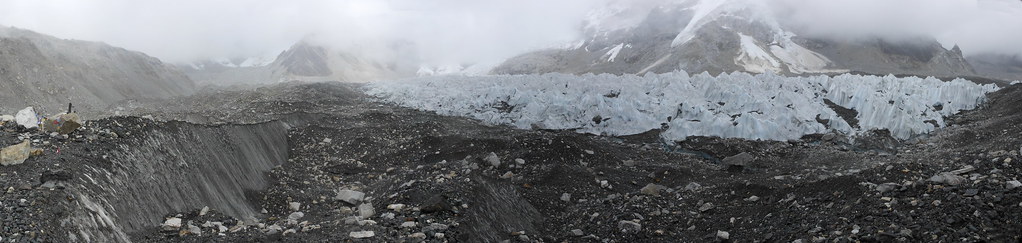
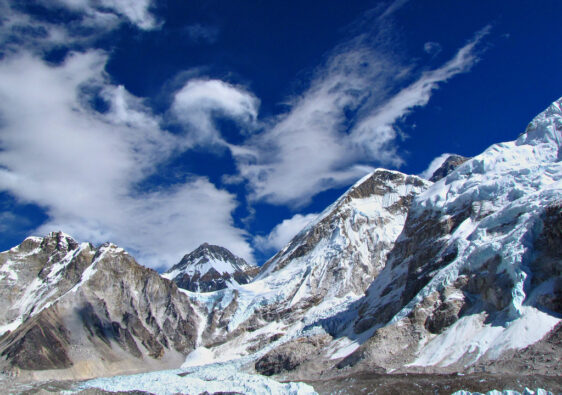
The Everest Base Camp trek is the most iconic trekking route in the world. It takes you through the legendary Khumbu region, home to the Sherpa people, and leads to the base of Mount Everest.
Key Highlights:
- Spectacular views of Everest and surrounding peaks
- Cultural experience in Sherpa villages
- Exploration of Sagarmatha National Park
- Ancient monasteries and prayer flags along the trail
Difficulty Level: Moderate to Challenging
This trek is a dream journey for many adventurers around the world.
2.Annapurna Base Camp Trek
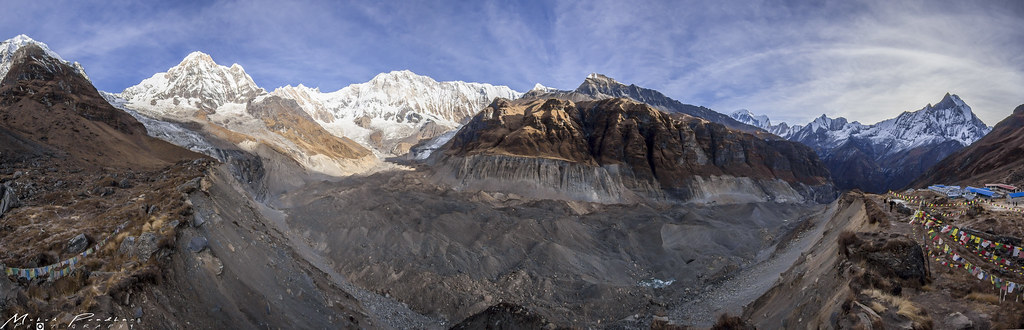
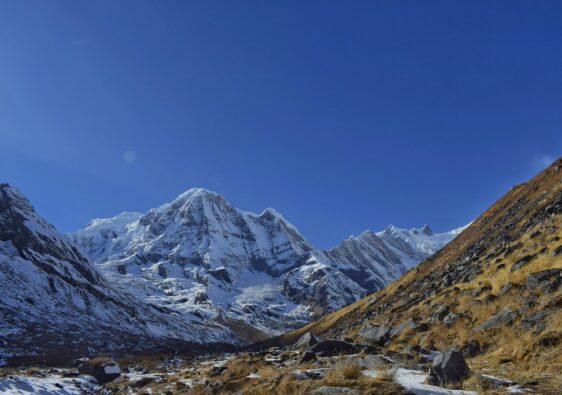
The Annapurna Base Camp trek is one of the most beautiful and diverse trekking routes in Nepal. It takes you through lush forests, traditional villages, and stunning mountain valleys.
Key Highlights:
- Close views of Annapurna and Machapuchare peaks
- Beautiful rhododendron forests
- Rich Gurung and Magar culture
- Relaxed trekking experience compared to Everest region
Difficulty Level: Moderate
It is perfect for trekkers who want both adventure and comfort.
3.Langtang Valley Trek
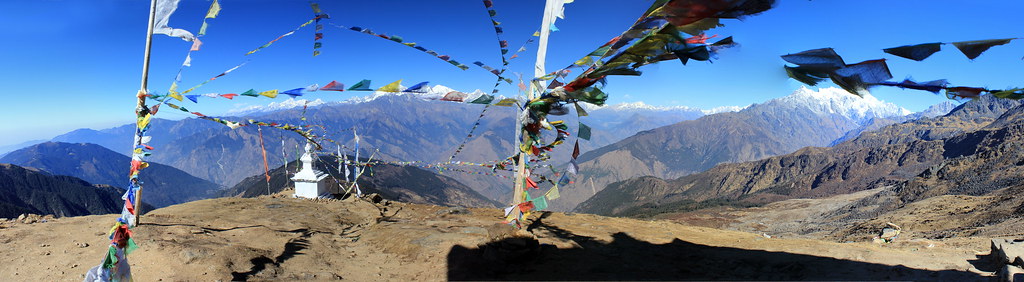
Close to Kathmandu, the Langtang Valley trek offers a peaceful and less crowded alternative to the more popular routes.
Key Highlights:
- Beautiful Himalayan scenery
- Tibetan-influenced culture and lifestyle
- Serene and less touristy trails
- Rich biodiversity and natural beauty
Difficulty Level: Moderate
It is ideal for those who prefer a quieter trekking experience.
4.Ghorepani Poon Hill Trek
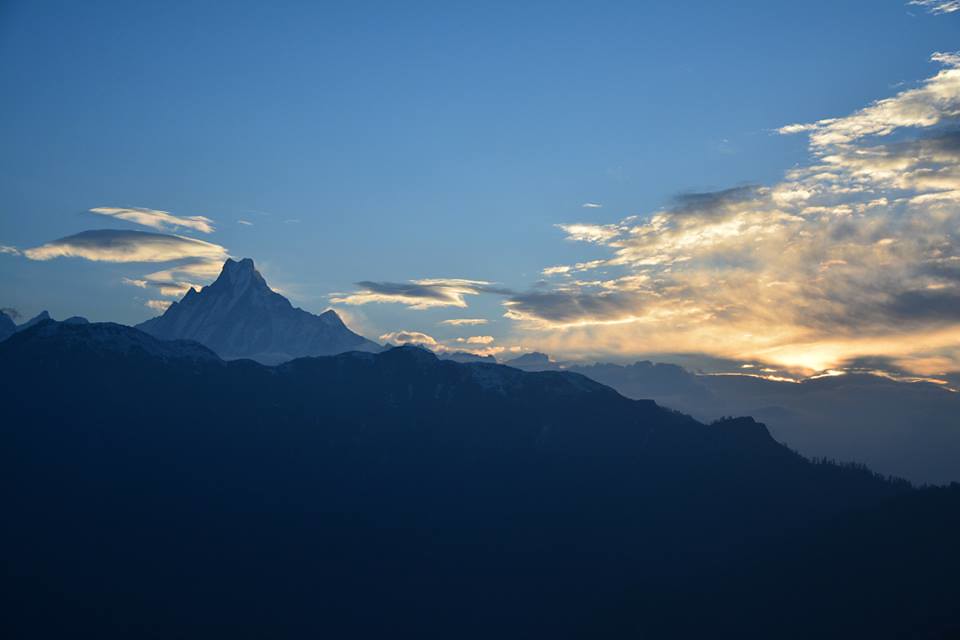
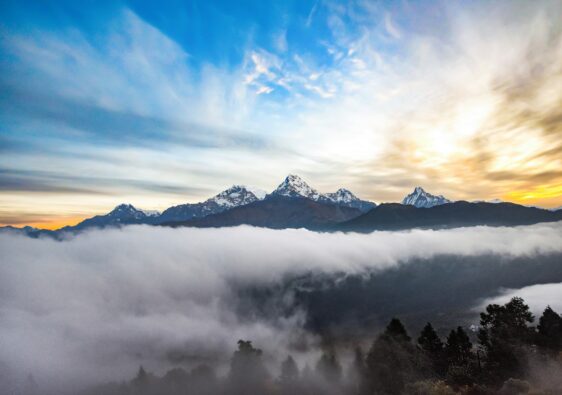
The Ghorepani Poon Hill trek is perfect for beginners and short-term travelers. Despite being short, it offers incredible Himalayan sunrise views.
Key Highlights:
- Stunning sunrise over the Himalayas
- Easy and beginner-friendly trail
- Beautiful villages and forests
- Short duration trek
Difficulty Level: Easy
This trek is one of the best introductions to trekking in Nepal.
Best Time to Go Trekking in Nepal
Choosing the right season is important for a successful trekking experience.
Spring (March to May)
This is one of the best seasons for trekking. The weather is warm, skies are clear, and rhododendrons are in full bloom.
Autumn (September to November)
Autumn is considered the peak trekking season. The weather is stable, and visibility of the mountains is excellent.
Winter (December to February)
Winter is colder but less crowded. It is suitable for lower altitude treks.
Monsoon (June to August)
Heavy rainfall makes trails slippery and risky. It is generally not recommended for trekking.
Permits Required for Trekking in Nepal
To trek legally in Nepal, you must obtain certain permits depending on your route.
Common permits include:
- TIMS Card (Trekkers’ Information Management System)
- National Park or Conservation Area permits
For example:
- Sagarmatha National Park permit is required for Everest region treks
- Annapurna Conservation Area permit is required for Annapurna region
In some areas, hiring a licensed guide is also mandatory for safety reasons.
Cost of Trekking in Nepal
Trekking in Nepal is relatively affordable compared to many other countries.
Average Daily Expenses
- Food and accommodation: $20–$40 per day
- Guide services: $25–$40 per day
- Porter services: $15–$25 per day
Additional Costs
- Trekking permits
- Domestic flights (e.g., Kathmandu to Lukla)
- Equipment and gear
Costs vary depending on the route and level of comfort.
Essential Packing List for Trekkers
Proper packing is essential for a safe and comfortable trek.
Clothing
- Thermal layers
- Waterproof jacket
- Warm fleece or down jacket
Footwear & Gear
- Strong trekking boots
- Backpack (30–50L)
- Sleeping bag
Essentials
- Water bottle or hydration pack
- First aid kit
- Power bank
- Sunscreen and sunglasses
Packing light but smart is the key to a successful trek.
Safety Tips for Trekking in Nepal
Safety should always come first when trekking in the Himalayas.
- Always follow marked trails
- Inform someone about your route
- Avoid trekking alone in remote areas
- Hire a guide for high-altitude treks
- Monitor weather conditions
A little preparation can prevent major risks.
Altitude Sickness: What You Need to Know
Altitude sickness is one of the most important challenges in high-altitude trekking.
Symptoms include:
- Headache
- Dizziness
- Nausea
- Fatigue
Prevention tips:
- Ascend gradually
- Take rest days for acclimatization
- Drink plenty of water
- Avoid alcohol
Proper acclimatization is essential, especially for high treks like Everest Base Camp.
Accommodation and Food on Trekking Routes
Most trekking routes in Nepal offer teahouse accommodation.
Accommodation
- Basic rooms with shared facilities
- Warm hospitality from locals
Food Options
- Dal Bhat (traditional Nepali meal)
- Noodles and soups
- Tea, coffee, and snacks
As altitude increases, food prices rise due to transportation difficulties.
Cultural Experience in Nepal
One of the most beautiful aspects of trekking in Nepal is its cultural richness.
Trekkers will experience:
- Buddhist monasteries
- Prayer flags and stupas
- Traditional mountain villages
- Local festivals and rituals
This cultural connection makes the journey more meaningful.
Why Trekking in Nepal is a Life-Changing Experience
Trekking in Nepal is not just about reaching destinations it is about transformation. The journey challenges your physical limits and gives you mental clarity.
You learn:
- Patience and endurance
- Appreciation for nature
- Simplicity and mindfulness
Every step in the Himalayas becomes a memory that lasts forever.
Conclusion
Trekking in Nepal offers one of the most unforgettable adventure experiences in the world. Whether you choose the legendary Everest Base Camp trek or the peaceful trails of the Langtang Valley, every journey brings breathtaking scenery and personal growth.
With proper preparation, the right timing, and an adventurous spirit, your trekking experience in Nepal can become one of the most meaningful journeys of your life.
FAQs
It depends on the route. Some treks are easy, while others are challenging.
In many regions, a guide is recommended or required.
Ghorepani Poon Hill is one of the easiest and most popular beginner treks.
It ranges from 3 days to 14+ days depending on the trek.
Yes, Nepal is generally safe with proper preparation and precautions.