aashma aaryal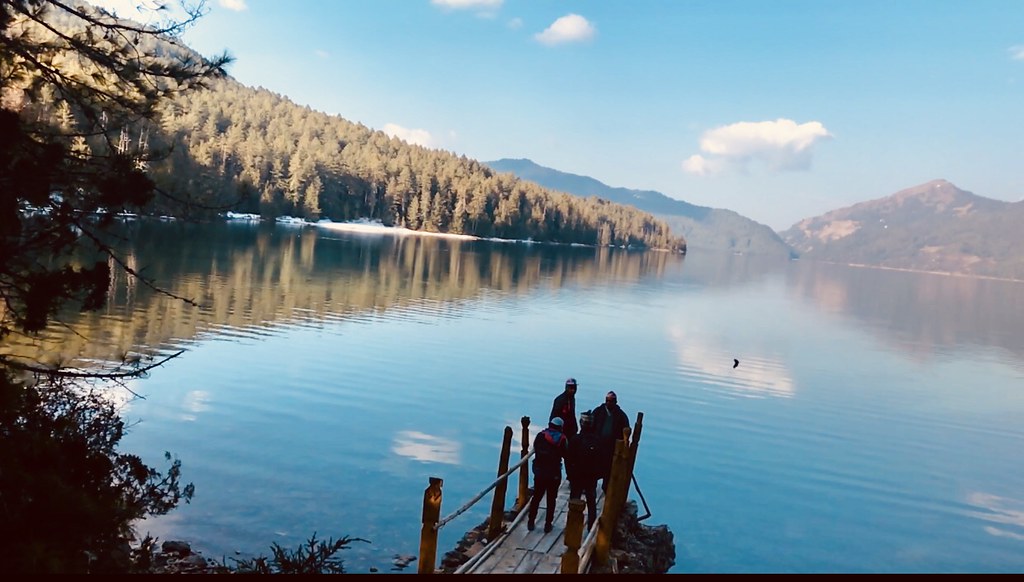
Trip Overview
Rara Lake Trek takes you to Rara Lake, Nepal’s largest lake, situated at an altitude of 2,990 meters within the peaceful surroundings of Rara National Park in Mugu District, Karnali Province. Covering about 10.8 square kilometers, the lake is surrounded by blue pine, fir, spruce, and oak forests, creating a beautiful habitat for wildlife and a variety of birds. The journey to Rara is an adventure in itself, taking travelers through remote mountain landscapes, traditional villages, and scenic countryside, usually via Nepalgunj and Jumla or by road depending on the route. Away from Nepal’s busy tourist areas, the Rara Lake Trek offers a peaceful experience for travelers looking to enjoy nature, mountain scenery, wildlife, hiking, and the quiet beauty of one of Nepal’s most remote destinations.
Rara Lake at a Glance
| Details | Information |
|---|---|
| Location | Mugu District, Karnali Province |
| Elevation | 2,990 m |
| Lake Area | 10.8 sq. km |
| Best Season | Spring & Autumn |
| Main Activity | Hiking, sightseeing & nature exploration |
| Destination | Rara National Park |
| Accommodation | Hotels, lodges & guesthouses |
| Access | Flight and road |
| Difficulty | Moderate |
Highlights of Rara Lake Trek
- Explore Rara Lake, the largest lake in Nepal, surrounded by beautiful mountain scenery.
- Experience peaceful off-the-beaten-path trails away from the usual trekking routes.
- Walk through pristine landscapes with spectacular views of snow-capped mountains.
- Discover forests filled with blue pine, juniper, spruce, oak, and birch trees.
- Trek through remote mountain villages and enjoy the scenic journey from Jumla to Rara Lake.
- Experience the natural beauty, peaceful atmosphere, and unique culture of Karnali Province.
Why Visit Rara Lake?
Rara Lake is one of Nepal’s most peaceful and rewarding destinations, offering a combination of natural beauty, adventure, wildlife, culture, and solitude. Far from the crowds of Nepal’s popular trekking routes, it allows travelers to experience a quieter and more authentic side of the country. Here are some of the best reasons to include Rara Lake in your Nepal itinerary:
Nepal’s Largest Lake
At an elevation of 2,990 meters and covering about 10.8 square kilometers, Rara Lake is Nepal’s largest lake. Its clear blue waters, surrounded by green forests and mountain landscapes, create a spectacular setting that changes with the weather and light.
Peaceful and Off-the-Beaten-Path
Rara receives far fewer visitors than destinations such as Everest and Annapurna. Its quiet trails, remote surroundings, and lack of large crowds make it an excellent choice for travelers seeking peace, solitude, and a closer connection with nature.
Beautiful Natural Landscapes
The lake is surrounded by forests of blue pine, spruce, fir, oak, and juniper, with hills and mountains forming a scenic backdrop. The combination of forests, clear water, and rugged landscapes makes Rara particularly appealing to nature lovers.
Wildlife and Birdwatching
Located inside Rara National Park, the area provides opportunities to experience Nepal’s diverse flora and fauna. Visitors may encounter wildlife such as red pandas, musk deer, Himalayan black bears, and Himalayan goral, along with a variety of bird species.
Adventure and Hiking
Reaching Rara is an adventure in itself. Depending on the route, travelers can combine flights, road journeys, and hiking through remote mountain landscapes and traditional villages. The trails around the lake are ideal for travelers who enjoy walking and exploring less-developed destinations.
Traditional Culture and Village Life
The journey to Rara provides opportunities to experience traditional villages, local customs, architecture, and hospitality. Travelers can observe rural life and enjoy locally prepared Nepali food while exploring the communities of the region.
Excellent Photography Opportunities
Rara’s turquoise waters, forested hills, mountain scenery, villages, wildlife, and changing light provide plenty of opportunities for landscape, nature, wildlife, and travel photography.
A Quiet Place to Relax and Reconnect
Beyond sightseeing and trekking, Rara is a place to slow down. Sitting beside the lake, walking through quiet forests, watching the changing scenery, or enjoying the peaceful surroundings can make the journey feel like a genuine escape from busy everyday life.
Best Time to Visit Rara Lake
Weather plays an important role in making your Rara Lake journey comfortable and enjoyable. While spring and autumn are considered the best seasons to visit, each season brings its own unique beauty and experience. From colorful landscapes in spring to snowy scenery in winter, Rara Lake offers something special throughout the year.
Spring (March-May)
Spring is one of the most favorable times to visit Rara Lake. The weather is pleasant, temperatures are comfortable, and the skies are generally clear, creating good conditions for trekking and sightseeing. The surrounding forests become fresh and green, flowers begin to bloom, and the beautiful combination of lush greenery, clear skies, and mountain scenery makes the area especially attractive.
Summer (June-August)
Summer brings the monsoon season to the Rara region, with frequent rainfall, cloudy skies, and wet and muddy trails. Trekking can be more challenging because paths may become slippery, while leeches can also be present along some routes. Travelers visiting during this period should carry waterproof clothing, rain covers, and insect repellent. Despite the rain, the forests and hills become exceptionally green, giving Rara a fresh and peaceful appearance.
Autumn (September-November)
Autumn is one of the best seasons to explore Rara Lake because of its pleasant temperatures, clear skies, and generally stable weather. The surrounding hills and distant Himalayan peaks are often clearly visible, while the lake looks particularly beautiful under the clear autumn sky. The comfortable conditions make this season ideal for trekking, photography, sightseeing, and enjoying the peaceful surroundings.
Winter (December-February)
Winter brings a completely different side of Rara Lake, with cold temperatures, occasional snowfall, and snow-covered landscapes. The lake and surrounding hills can look spectacular during this season, creating a quiet and peaceful atmosphere. Travelers should be well prepared with warm layers, insulated jackets, gloves, and sturdy waterproof footwear, especially if they plan to walk on snowy or icy trails.
How to reach Rara Lake ?
Reaching Rara Lake from Kathmandu is an exciting journey that combines flights, road travel, and trekking through the remote landscapes of western Nepal. The route can be adjusted according to your time, budget, and preferred travel style.
Kathmandu to Nepalgunj
Travel from Kathmandu to Nepalgunj by either a short flight or by bus/private vehicle. The flight takes around one hour, while the road journey takes approximately 15 hours. By road, you pass through scenic highways, rivers, forests, and changing landscapes.
Nepalgunj to Surkhet
From Nepalgunj to Surkhet, you can travel by bus, jeep, or private vehicle. The journey is around 110 km and takes several hours depending on road conditions. The route gradually moves from the Terai plains toward the hills.
Surkhet to Jumla
You can reach Jumla from Surkhet by road or flight. The road journey covers roughly 260 km and may take around 13–14 hours, depending on conditions. Many travelers prefer to fly to Jumla to save time and begin the trekking journey from there.
Jumla to Rara Lake
From Jumla to Rara Lake, travelers can choose a road-and-hike route or a longer trekking route. You can travel toward Gamgadhi by road and continue hiking, or begin trekking from Talcha Airport. The trail passes through forests, villages, hills, and scenic mountain landscapes before reaching the beautiful shores of Rara Lake.
Rara Lake Itinerary
| Day | Route | Travel & Activities |
|---|---|---|
| Day 1 | Kathmandu → Nepalgunj | Take a flight of around 1 hour or travel by road to Nepalgunj. |
| Day 2 | Nepalgunj → Surkhet | Travel around 110 km by bus, jeep, or private vehicle toward Surkhet. |
| Day 3 | Surkhet → Jumla | Travel to Jumla by road or flight. The road journey is approximately 260 km and may take around 13–14 hours. |
| Day 4 | Jumla → Rara Lake | Begin the journey toward Rara Lake by road and hiking or through a longer trekking route. Enjoy forests, villages, hills, and scenic mountain landscapes along the way. |
| Day 5 | Explore Rara Lake | Explore the beautiful Rara Lake, enjoy the surrounding scenery, and experience the peaceful natural environment. |
| Day 6 | Rara Lake → Talcha | Travel toward Talcha Airport and prepare for the return journey. |
| Day 7 | Talcha → Nepalgunj | Take a flight from Talcha to Nepalgunj. |
| Day 8 | Nepalgunj → Kathmandu | Take a flight back to Kathmandu, completing your Rara Lake journey. |
Wildlife in Rara National Park
Rara Lake lies inside Rara National Park, Nepal’s smallest national park by area. The protected area supports a variety of Himalayan plants, mammals, and birds.
Possible wildlife sightings include:
- Red panda
- Himalayan black bear
- Musk deer
- Himalayan goral
- Wild boar
- Common leopard
- Different species of Himalayan birds
Wild animals are not guaranteed to be seen, so visitors should enjoy wildlife responsibly and avoid disturbing animals or their habitats.
Rara Lake Accommodation and Food Facilities
| Day | Route | Accommodation & Food Facilities |
|---|---|---|
| Day 1 | Kathmandu → Nepalgunj | Stay at a hotel or guesthouse in Nepalgunj. A variety of Nepali, Indian, and international meals, snacks, and drinks are available. |
| Day 2 | Nepalgunj → Surkhet | Stay at a local hotel or guesthouse in Surkhet. Common food options include dal bhat, noodles, rice, vegetables, soup, and tea. |
| Day 3 | Surkhet → Jumla | Stay at a hotel or guesthouse in Jumla. Accommodation is generally basic, with dal bhat, noodles, vegetables, soup, and tea available. |
| Day 4 | Jumla → Rara Lake | Stay at a basic lodge or guesthouse near Rara Lake. Meals are simple, usually including dal bhat, noodles, rice, vegetables, soup, and tea. |
| Day 5 | Explore Rara Lake | Stay another night at a guesthouse near the lake. Enjoy basic local meals, snacks, tea, and refreshments while taking in the peaceful surroundings. |
| Day 6 | Rara Lake → Talcha | Stay at a local hotel or guesthouse in Talcha. Basic Nepali meals, noodles, rice, vegetables, and tea are generally available. |
| Day 7 | Talcha → Nepalgunj | Stay at a hotel or guesthouse in Nepalgunj, where you can enjoy a wider variety of meals, snacks, and beverages. |
| Day 8 | Nepalgunj → Kathmandu | Return to Kathmandu, where a wide range of restaurants and food options are available. |
Packing list for Rara Lake Travel
Clothing
- Lightweight, breathable shirts
- Fleece or light jacket (cool mornings/evenings by the lake)
- Light rain jacket
- Sun hat or cap
- Quick-dry walking pants
- Casual shorts or trousers for lodge downtime
Footwear & Hands
- Comfortable walking shoes
- Sandals or flip-flops
- Light gloves (optional, for early jeep rides)
Safari & Sightseeing Essentials
- Daypack (20–30L)
- Reusable water bottle
- Binoculars
- Insect repellent
- Sunscreen (SPF 50+)
- UV-protected sunglasses
Hygiene & Health
- Wet wipes and hand sanitizer
- Eco-friendly toiletries
- Small first aid kit (pain relief, bandages, allergy meds)
Accessories
- Camera or smartphone
- Power bank
- Travel adapter (Nepal uses Type C, D, M plugs)
Documents
- Passport + copies (for flights, hotels, permits)
- National Park Entry Permits
- Travel Insurance
Rara Lake Trekking Difficulty
The Rara Lake Trek is generally considered a moderate and manageable trek for travelers with a reasonable level of fitness. Beginners and intermediate trekkers can complete the trek without previous trekking or technical climbing experience. Most trekking days involve around 4–6 hours of walking through hilly and sometimes uneven terrain while carrying a light daypack. With proper preparation, comfortable hiking gear, and a steady pace, the trek can be an enjoyable experience for first-time trekkers.
Frequently Asked Questions
1. Where is Rara Lake located?
Rara Lake is located in Mugu District, Karnali Province, inside Rara National Park in western Nepal.
2. What is the best time to visit Rara Lake?
The best time to visit Rara Lake is spring (March–May) and autumn (September–November). These seasons offer pleasant weather, clearer skies, and favorable conditions for trekking and sightseeing.
3. How can I reach Rara Lake from Kathmandu?
You can reach Rara Lake by combining flights, road travel, and trekking. A common route is Kathmandu → Nepalgunj → Surkhet → Jumla → Rara Lake.
4. How difficult is the Rara Lake Trek?
The Rara Lake Trek is generally considered moderate. Travelers with a reasonable level of fitness can complete it without previous trekking or technical climbing experience.
5. Where can I stay and what food is available?
Accommodation is available in Nepalgunj, Surkhet, Jumla, Talcha, and around Rara Lake. Hotels and guesthouses generally provide simple meals such as dal bhat, noodles, rice, vegetables, soup, and tea.
6. What should I pack for the Rara Lake Trek?
Essential items include comfortable walking shoes, warm and rainproof clothing, a daypack, reusable water bottle, sunscreen, sunglasses, insect repellent, personal medicines, a first-aid kit, power bank, travel documents, and required permits.