Sabana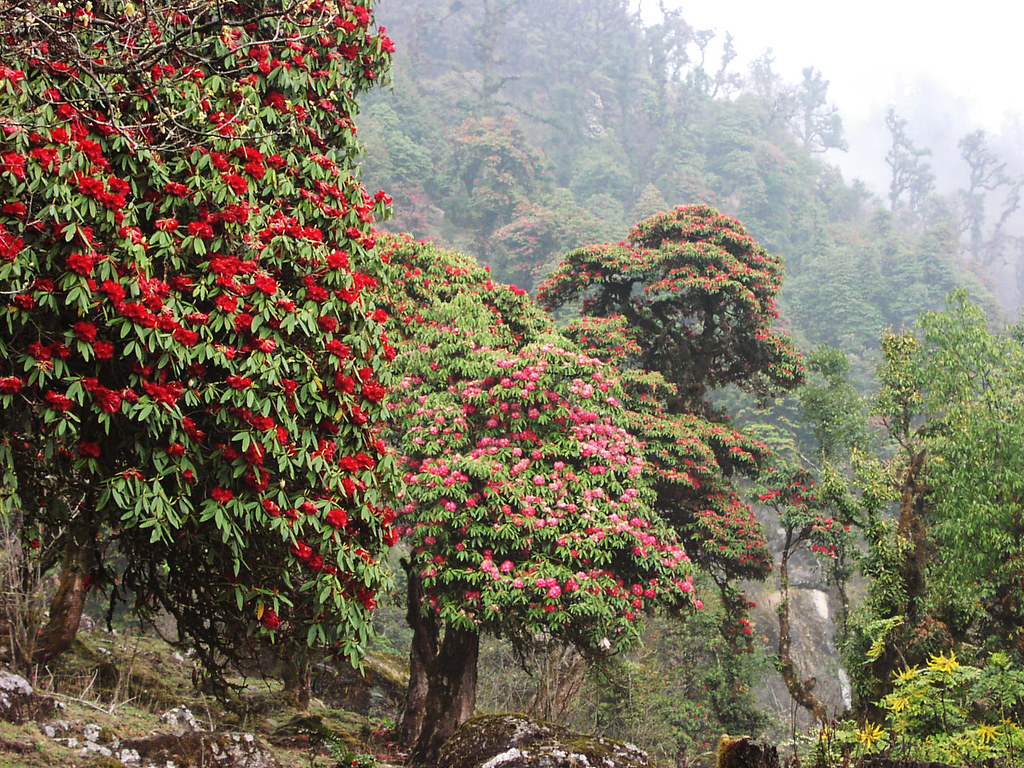
Introduction
The enchanting fragrance of pink blossoms fills the air across Nepal’s Himalayan landscapes each spring. If you have never experienced the breathtaking sight of forests blanketed in vibrant rhododendron flowers, then Nepal should be at the top of your travel list. Known worldwide for their striking colors, rhododendrons transform the trekking trails of Nepal into a living canvas of red, pink, and white. Their natural beauty adds a magical charm to every journey through the Himalayas.
Locally called Laliguras, the rhododendron is the national flower of Nepal and holds deep cultural and emotional significance. Every year, as spring arrives, hills and forests burst into color, attracting trekkers, photographers, and nature lovers from around the world. Beyond its visual appeal, the flower is woven into Nepali traditions, songs, and even cuisine, making it far more than just a beautiful plant.
Rhododendron forests are widespread throughout Nepal and play a vital role in supporting biodiversity. These forests provide habitat for diverse flora and fauna, making them ecologically significant. For travelers, walking through these vibrant forests especially at higher altitudes where the bright red blossoms stand out against rugged terrain is a truly unforgettable experience.
The best time to witness rhododendrons in full bloom is between March and May. During these months, trekking routes across Nepal become especially captivating. Rhododendron trekking not only offers scenic beauty but also introduces visitors to various species of the flower. The romantic atmosphere created by colorful blossoms and serene mountain landscapes makes it one of the most memorable adventures for trekkers.
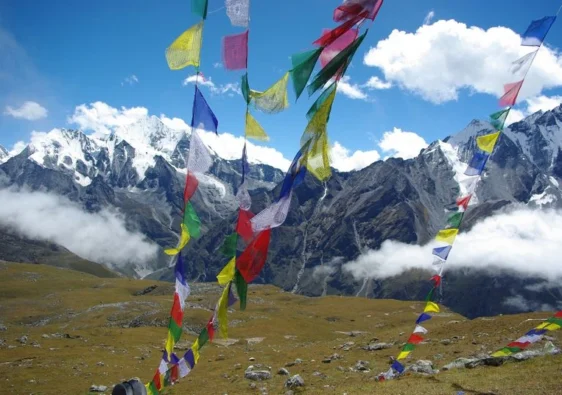
The contrast of snow-capped Himalayan peaks with forests glowing in shades of red and pink creates a mesmerizing view. Rhododendrons are often referred to as the “flower of the mountains” by local hikers, symbolizing both beauty and resilience. Their presence enhances every trekking journey, adding a sense of wonder and tranquility.
Interestingly, rhododendrons have inspired cultural expressions beyond Nepal as well. The Japanese phrase “Takane no Hana,” meaning “flower of the heights,” is believed to reflect the idea of something beautiful yet seemingly out of reach. In Nepal, the red color of the rhododendron carries strong emotional significance and is even reflected in elements of national identity, including the country’s flag.
The delicate petals of the rhododendron resemble flowing fabric, adding to its elegance. Despite its beauty, the flower often grows in remote and elevated regions, giving it an aura of rarity and exclusivity. Exploring these forests feels like stepping into a hidden paradise, making the journey even more rewarding.
Rhododendron forests are especially dense in central and eastern Nepal, often mixed with other types of vegetation. Trekking during the flowering season is not just visually rewarding but also deeply refreshing for the soul. Whether you call it Laliguras, Guras, or rhododendron, its vibrant presence remains one of Nepal’s greatest natural attractions.
Cultural Uses
The red-flowered Rhododendron arboreum is widely used in Nepali culture. During the blooming season, women decorate their hair with the flowers, and they are commonly offered in religious rituals at temples. The petals are also used in local cuisine made into sweet drinks, eaten with spices, or added to traditional dishes.
In neighboring regions like Uttarakhand in India, rhododendron is used to make a popular drink called “buransh squash.” Similarly, in Himalayan cultures, certain species are used as incense in temples due to their pleasant fragrance.
Traditional Medicine
Despite their toxicity in large amounts, rhododendrons have long been used in traditional medicine. Different parts of the plant have been used across cultures to treat conditions such as inflammation, pain, respiratory issues, and digestive problems. In Nepal, some species are believed to help relieve common cold symptoms and purify the blood.
Across Asia and beyond, rhododendrons have played a role in herbal medicine systems. From treating migraines and arthritis to addressing hypertension and diabetes, their medicinal potential has been widely explored. However, proper usage is essential due to their toxic properties.
Care and Characteristics
Rhododendrons are evergreen shrubs that thrive in moist, acidic soil and prefer shaded or semi-shaded environments. They require balanced watering not too dry and not overly saturated. With proper care, they bloom beautifully in spring, displaying a wide range of colors from white and pink to deep red and purple.
These plants typically grow 20–30 cm per year and can reach impressive heights depending on the variety. Their shallow root system means they need consistent moisture, especially after planting. Despite being hardy, they benefit from occasional care, such as removing dead flowers and using suitable compost.
Varieties and Species
Rhododendrons come in a wide range of species and varieties, including azaleas and tropical types. They grow across different climates, from alpine regions to temperate zones. While many species are cultivated for ornamental purposes, others grow naturally in forests and mountainous regions.
The Himalayas are home to numerous rhododendron species, each adapted to specific altitudes. From tall trees in lower forests to small shrubs in alpine regions, these plants display incredible diversity. Their ability to thrive in harsh environments makes them an essential part of mountain ecosystems.
Importance in Nepal
Rhododendrons are one of the most significant natural resources of Nepal’s Himalayan region. They not only enhance the country’s beauty but also offer health benefits due to their antimicrobial and antioxidant properties. In traditional practices, their flowers are used in pickles, drinks, and herbal remedies.
Tourism related to rhododendron blooming seasons also plays a major role in local economies. Festivals celebrating these flowers attract visitors and create income opportunities for communities. Sustainable use and conservation efforts are essential to protect these forests for future generations.
Community and Conservation
Rhododendrons contribute to local livelihoods through tourism and product development, such as juices and wines. However, climate change and overharvesting pose challenges to their survival. Conservation efforts, including controlled harvesting and awareness programs, are crucial to maintaining their natural habitat.
In regions like Sikkim, rhododendron festivals and sanctuaries have successfully promoted eco-tourism while supporting local communities. Encouraging sustainable practices ensures that these stunning flowers continue to thrive and benefit both nature and people.
FAQs
In Nepal, rhododendron is locally called “Laliguras”, and it is the national flower of the country.
The best time to witness rhododendron forests in full bloom is from March to May, during the spring season.
Rhododendron forests are found in many trekking regions of Nepal, especially in Annapurna region, Langtang valley, Everest foothills, and eastern Nepal.
Rhododendrons are important for biodiversity, tourism, culture, and traditional medicine. They also hold deep national and emotional value.
They bloom in red, pink, white, and sometimes mixed shades, creating beautiful mountain landscapes.
Yes, rhododendrons are used in religious offerings, traditional drinks, food, and cultural celebrations.
Yes, in traditional practices, rhododendrons are used for treating cough, inflammation, pain, and other ailments, but they must be used carefully due to toxicity.
They make trekking routes more colorful, scenic, and romantic, especially when combined with Himalayan mountain views.
Yes, they grow from around 1,500 meters up to 5,000 meters depending on the species.
Its beauty, cultural importance, and role in Himalayan ecosystems make rhododendron one of Nepal’s most treasured natural symbols.