Sabana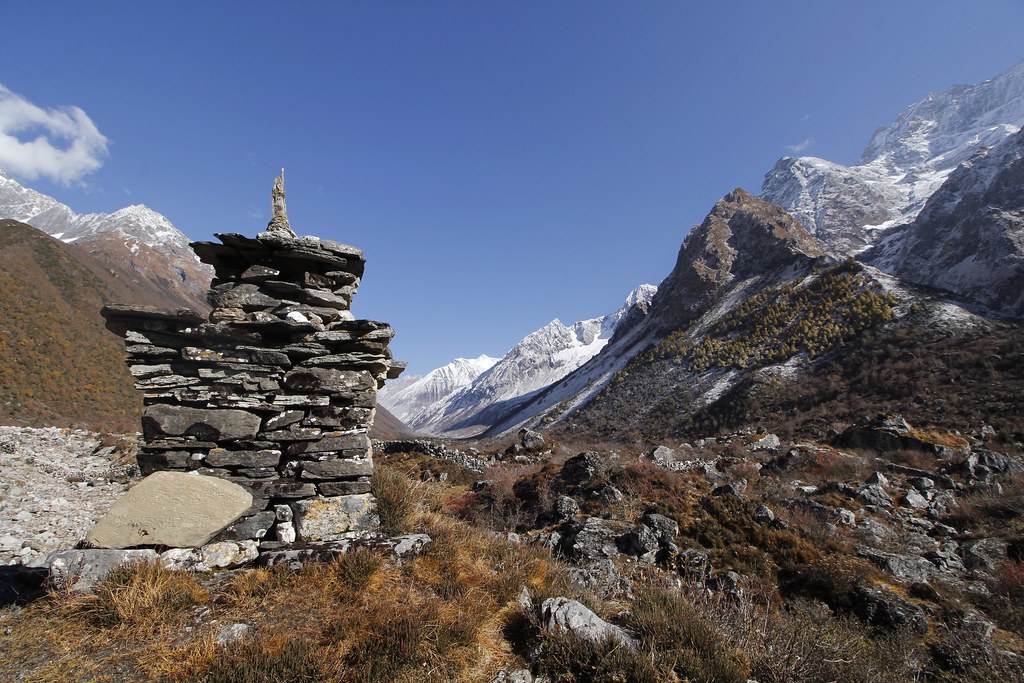
Introduction
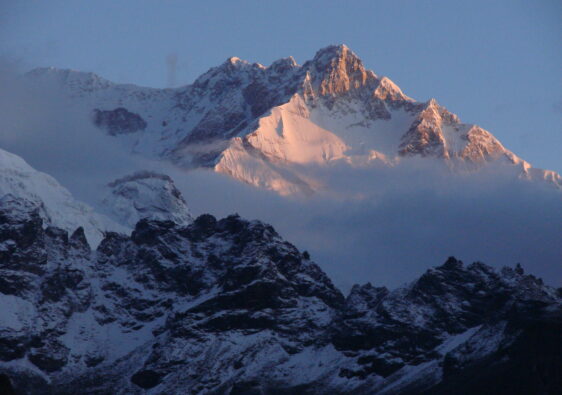
Mount Manaslu, also known locally as Kampunge, stands as the eighth highest mountain on Earth, rising to an impressive height of 8,163 meters. Located in the west-central region of Nepal, Manaslu holds both natural and spiritual significance. The name “Manaslu” comes from Sanskrit, meaning “intellect” or “soul,” reflecting the deep connection between nature and spirituality in the Himalayas.
The surrounding region is not only famous for mountaineering expeditions but also for the breathtaking Manaslu Circuit Trek, one of Nepal’s most rewarding and less crowded trekking experiences.
Overview of Manaslu Region Trek
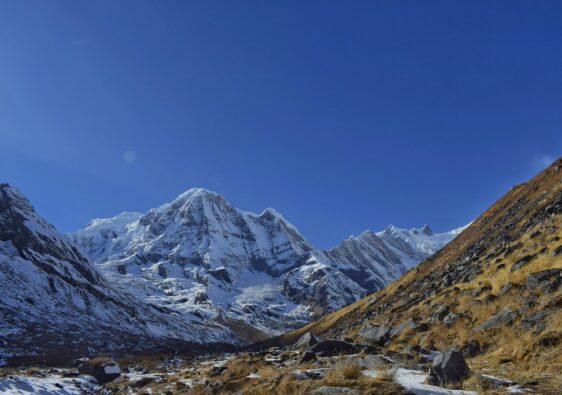
The Manaslu Region is one of Nepal’s most popular yet relatively untouched trekking destinations, officially opened to visitors in 1992. This trek offers a perfect blend of adventure, breathtaking mountain views, rich cultural heritage, and diverse natural landscapes. At the heart of the region lies Mount Manaslu (8,163 meters), famously known as the “Spirit Mountain,” symbolizing a powerful and benevolent deity. The trail is filled with glaciers, charming villages, and dramatic scenery that create a truly unforgettable experience.
Since the Manaslu area falls under a restricted zone, trekkers must obtain special permits before entering. These permits are usually arranged by trekking agencies, making the process convenient for travelers. The region is strongly influenced by Tibetan culture, which is especially evident in the mystical Tsum Valley. As the trek progresses to higher altitudes, facilities become more basic and the trail more challenging, but the rewarding views and unique cultural experiences make it worthwhile. Trekkers can also explore areas near the Tibetan border and enjoy the serene beauty of Birendra Lake.
Unlike more crowded trekking routes, the Manaslu region offers a peaceful and less-traveled experience surrounded by pristine nature. The Manaslu Circuit, especially via the Larkya La Pass, provides some of the most stunning landscapes in the Himalayas. The remote Tsum Valley further adds to the charm with its untouched environment and glimpse into traditional Himalayan life.
Renowned as a world-class trekking destination, the Manaslu region features impressive suspension bridges and scenic trails along the Budi Gandaki River. Located west of the Langtang Himal, the region stretches between the Budi Gandaki and Trishuli rivers. Towering above is Ganesh Himal, reaching 7,429 meters, along with many other remarkable peaks that add to the region’s natural beauty and uniqueness.
History of Mount Manaslu
The first successful ascent of Mount Manaslu was achieved on May 9, 1956, by Japanese climber Toshio Imanishi and Nepali Sherpa Gyaltsen Norbu Sherpa. Since then, Manaslu has become a popular destination for climbers seeking a challenging yet less commercialized Himalayan peak.
Climbing Manaslu typically takes around 60–65 days, including acclimatization and preparation.
Manaslu Circuit Trek Distance
The Manaslu Circuit Trek is one of Nepal’s longer and more adventurous trekking routes. It usually starts from Machha Khola and ends at Dharapani, covering a total distance of around 177 kilometers (110 miles).
As you make your way along the trail, the scenery keeps changing, which makes the journey even more exciting. You’ll walk through remote villages, cross rugged paths, and climb high mountain passes. Along the way, you’ll see beautiful waterfalls, green forests, snow-capped peaks, and calm rivers making every day feel like a new experience.
With a typical 15-day itinerary that includes time for acclimatization, you’ll usually walk about 15–20 kilometers each day. On average, that means around 5 to 7 hours of trekking daily. It may sound challenging, but with a bit of preparation and a steady pace, it becomes a rewarding and enjoyable adventure.
Location & Access
Mount Manaslu lies within the districts of Manang and Gorkha. The nearest village to the mountain is Samagaon, located just a few kilometers from the base camp.
There are two main entry routes to the region:
- Via Dhadingbesi
- Arughat
- Jagat
- Samagaon
- Via Gorkha
- Jagat
- Samagaon
Both routes eventually lead trekkers to the Manaslu Base Camp.
Manaslu Circuit Trek Highlights
The Manaslu Circuit Trek offers a perfect combination of adventure, culture, and natural beauty:
- Stunning views of Mount Manaslu and surrounding peaks like Himlung Himal and Annapurna II
- Crossing the challenging Larkya La Pass
- Rich Tibetan-influenced culture in villages like Samagaon and Samdo
- Diverse landscapes: rivers, forests, glaciers, and alpine terrain
- Wildlife such as Himalayan tahr, marmots, and possibly snow leopards
- Peaceful trails with fewer crowds compared to Everest and Annapurna
Why Choose Manaslu Circuit Trek?
The Manaslu region is often called a hidden gem of Nepal. Unlike crowded trekking routes, this trail offers solitude and authenticity.
You’ll walk alongside the Budhi Gandaki River, cross suspension bridges decorated with prayer flags, and pass through villages where traditional lifestyles remain unchanged for centuries. The restricted permit system helps preserve both the natural environment and local culture.
Manaslu Circuit Trek Itinerary (15 Days)
Day 1: Arrival in Kathmandu
Day 2: Drive to Machha Khola
Day 3: Trek to Jagat
Day 4: Trek to Deng
Day 5: Trek to Namrung
Day 6: Trek to Lho
Day 7: Trek to Samagaon
Day 8: Acclimatization (visit Manaslu Base Camp)
Day 9: Trek to Samdo
Day 10: Trek to Dharamsala
Day 11: Cross Larkya La Pass and reach Bimthang
Day 12: Trek to Goa
Day 13: Trek to Dharapani
Day 14: Drive back to Kathmandu
Day 15: Departure
Permits & Regulations
Since the Manaslu region is restricted, trekkers must obtain:
- Restricted Area Permit (RAP)
- Manaslu Conservation Area Permit (MCAP)
- Annapurna Conservation Area Permit (ACAP)
A licensed guide is mandatory for this trek.
Accommodation & Food
Accommodation along the trail is mostly teahouses and basic lodges. While simple, they provide warm meals and a comfortable place to rest.
Popular food options include:
- Dal Bhat (rice and lentils)
- Noodles and soups
- Momo (dumplings)
- Tea and coffee
At higher altitudes, food options become more limited but remain nourishing.
Difficulty Level
The trek is considered moderate to challenging due to:
- High altitude (above 5,000 meters)
- Long trekking hours (6–8 hours daily)
- Remote terrain with limited facilities
Proper preparation and physical fitness are important for a safe journey.
Best Time to Visit
Spring (March–May)
- Blooming rhododendron forests
- Clear skies and pleasant weather
Autumn (September–November)
- Stable climate
- Best mountain visibility
Avoid monsoon and extreme winter seasons.
Fitness & Preparation
You don’t need to be an expert trekker, but good fitness is essential. Prepare at least 4–6 months in advance with:
- Regular walking or hiking
- Cardio exercises
- Strength training
Always consult a doctor before high-altitude trekking.
Packing Essentials
- Warm clothing & down jacket
- Trekking boots
- Sleeping bag
- First aid kit
- Water purification tablets
- Trekking poles
Culture & Experience
The Manaslu region is deeply influenced by Tibetan culture. Monasteries, prayer flags, and traditional lifestyles are part of everyday life here.
Villages like Samagaon and Samdo offer a unique chance to experience a blend of Nepali and Tibetan traditions, making the trek not just physical but also cultural and spiritual.
FAQs
It usually takes 12–16 days.
Yes, with proper planning and a licensed guide.
Not mandatory, but helpful.
Larkya La Pass is the highest point.
Yes, with proper preparation and guidance.
Conclusion
The Manaslu Circuit Trek is one of the most rewarding trekking adventures in Nepal. From towering peaks and remote villages to rich culture and untouched landscapes, this trek offers an unforgettable journey into the heart of the Himalayas.
If you’re looking for a quieter, more authentic alternative to popular treks, Manaslu is the perfect choice.