Sabana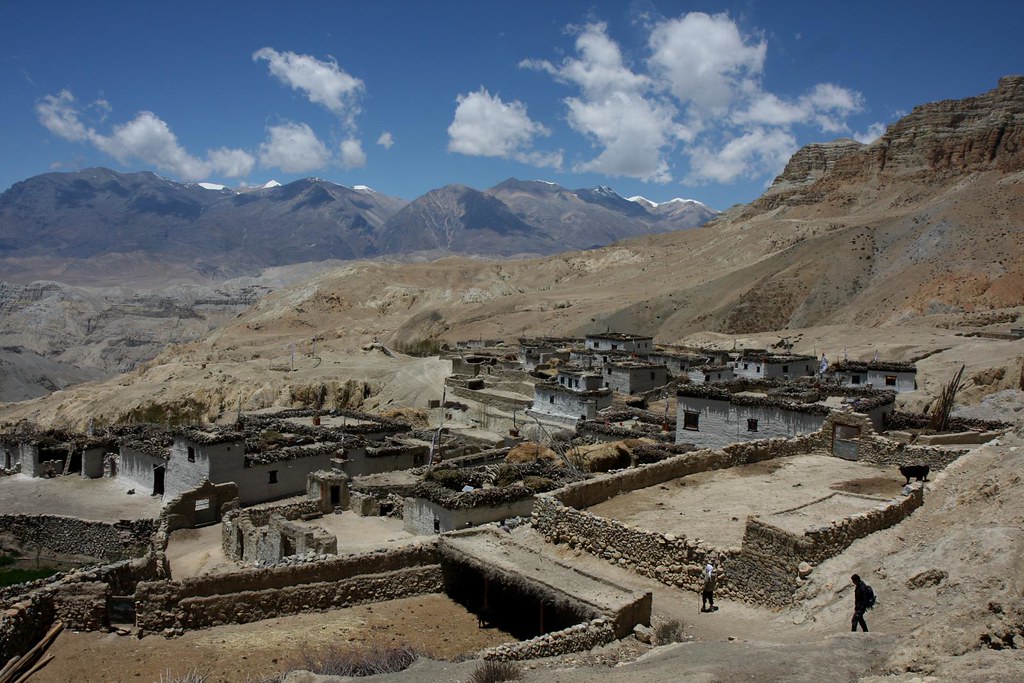
Introduction
The Mustang region of Nepal is truly one of the most fascinating places you can explore in the Himalayas. What makes it so special is the way it blends raw natural beauty with deep-rooted culture and history. This region is divided into two main parts Lower Mustang and Upper Mustang and each offers a completely different kind of experience.
At the center of Mustang lies the ancient walled city of Lo Manthang, which was once the capital of the old Mustang Kingdom. Walking through this historic place feels like stepping into another time, where traditions have been preserved for centuries.
Lower Mustang is home to beautiful and well-known villages like Marpha, Jomsom, and Kagbeni, along with the sacred Muktinath Temple. This part of the region is easier to reach and is popular among both trekkers and pilgrims. On the other hand, Upper Mustang is more remote and restricted, covering a larger portion of the region and preserving a strong Tibetan-influenced culture.
Another thing that makes Mustang stand out is its landscape. Unlike the green hills you might expect in Nepal, Mustang lies in the rain-shadow of the Annapurna Region near Tibet. Because of this, the region receives very little rainfall. The result is a dry, rugged environment filled with dramatic cliffs, desert-like valleys, and wide open skies. This unique geography also means that Mustang can be visited almost all year round, except during the coldest winter months.
Culture, History, and Experience
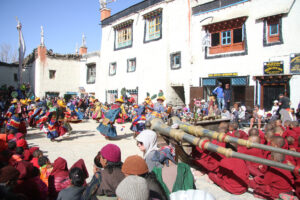
Mustang is not just about scenic views it’s a place where culture and history are still very much alive. In the past, this region was an independent kingdom and an important stop along the ancient trade routes between Nepal and Tibet. Even today, you can see these influences in the local traditions, architecture, and daily life.
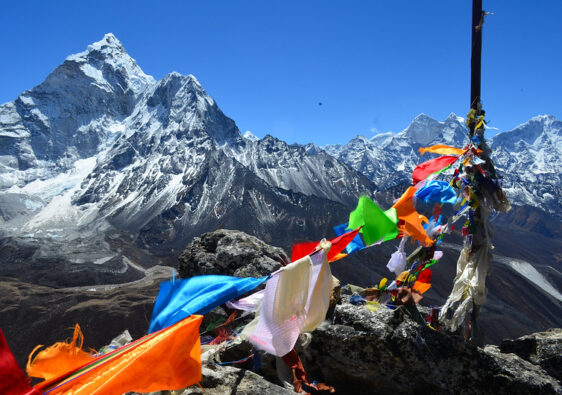
In Upper Mustang, life has changed very little over the centuries. You’ll find ancient monasteries built into cliffs, mysterious caves, and colorful prayer flags waving in the wind. One of the most unique cultural experiences here is the Tiji Festival in Lo Manthang, where locals celebrate with traditional dances and rituals that have been passed down through generations.
Meanwhile, Lower Mustang offers a more accessible version of this cultural richness. The area is home to Thakali communities known for their warm hospitality and delicious food. Here, you can enjoy both cultural experiences and comfortable travel without going too far off the beaten path.
Traveling through Mustang is not just a trek it’s a journey into a different way of life, where every village, monastery, and trail tells a story.
Climate of Mustang Region
Nepal is known for its heavy monsoon rains, but Mustang is quite different. Because it sits in a rain-shadow area, it doesn’t receive as much rainfall as other parts of the country. This makes it one of the few places in Nepal where trekking is still enjoyable even during the monsoon season.
Here’s what you can expect throughout the year:
- Spring (March–May): Mild temperatures and clear skies make this a great time to visit. The weather is comfortable for trekking.
- Summer (May–July): It can get warm during the day, but the dry climate still allows for good travel conditions, especially in Upper Mustang.
- Monsoon (July–September): While most of Nepal gets heavy rain, Mustang stays mostly dry. Lower Mustang may see some light showers, so carrying rain gear is a good idea.
- Autumn (September–November): This is one of the best times to visit, with clear views, fresh air, and festive vibes.
- Winter (December–February): Upper Mustang becomes very cold, and many locals move to lower areas. Lower Mustang is still accessible but chilly.
The Two Sides of Mustang
Understanding the difference between Upper and Lower Mustang will help you plan your trip better.
Upper Mustang – The Forbidden Kingdom
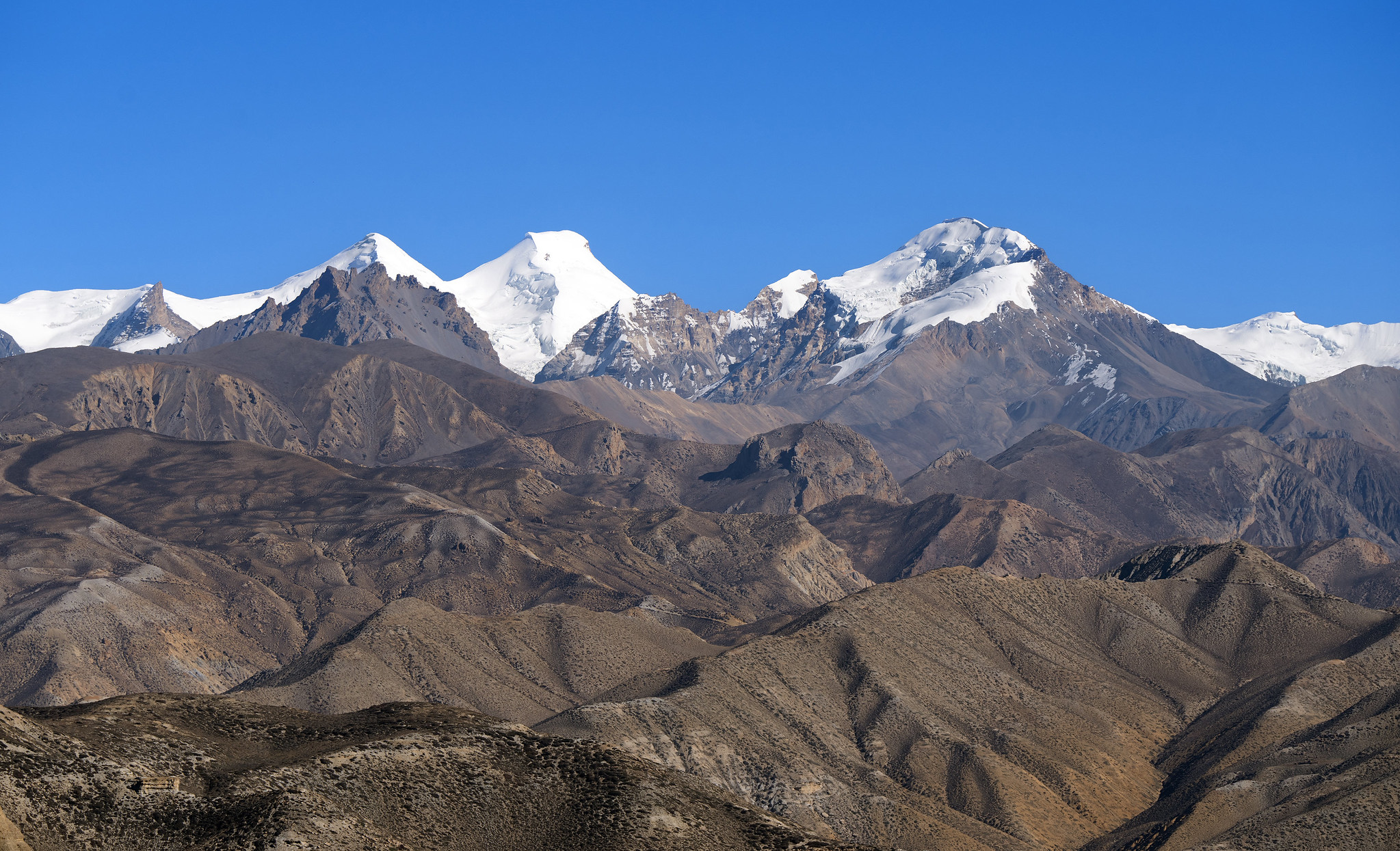
Upper Mustang is often called the “Forbidden Kingdom” because it was closed to outsiders until 1992. Even today, it requires a special permit and a licensed guide to visit. The region feels remote, peaceful, and deeply connected to its traditions, making it perfect for travelers looking for a unique cultural experience.
Lower Mustang – The Easy Gateway
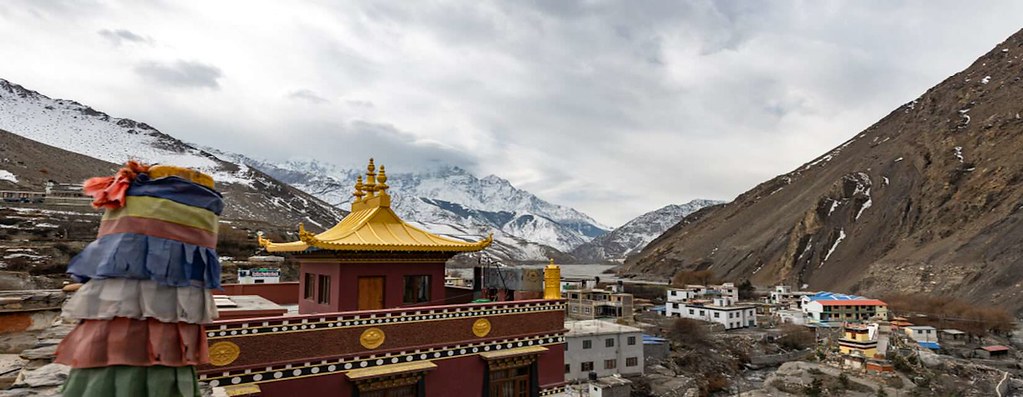
Lower Mustang is easier to reach and does not require special permits. It has better roads, more accommodation options, and popular destinations like Jomsom and Muktinath. This makes it ideal for shorter trips and those traveling on a budget.
The village of Kagbeni marks the transition point between these two regions, where you’ll start to notice changes in both landscape and culture.
Key Differences Between Upper and Lower Mustang
While both regions are part of Mustang, they offer very different experiences. Lower Mustang is more flexible, affordable, and comfortable for most travelers. Upper Mustang, on the other hand, is more remote and regulated, offering a deeper cultural and historical experience.
If you prefer convenience and shorter trips, Lower Mustang is a great choice. But if you’re looking for something more unique and immersive, Upper Mustang is worth the extra effort and cost.
Best Time to Visit Mustang
One of the biggest advantages of Mustang is that you can visit it almost any time of the year. Thanks to its dry climate, even the monsoon season becomes a good time to explore.
- Spring: Perfect weather and clear mountain views
- Summer: Fewer crowds and dry trails
- Autumn: Best overall season with festivals and great visibility
This makes Mustang one of the most reliable trekking destinations in Nepal.
Accommodation and Food
Accommodation in Mustang ranges from simple tea houses to more comfortable guesthouses. Lower Mustang generally offers better facilities, while Upper Mustang has more basic but cozy options.
Food is simple but satisfying. You’ll commonly find:
- Dal Bhat (rice and lentils)
- Thukpa (noodle soup)
- Momos (dumplings)
- Apple-based dishes, especially in Marpha
Even in remote areas like Lo Manthang, some lodges offer Wi-Fi and private rooms.
Mustang Trek Itinerary Overview
Lower Mustang (7–10 Days)
| Day | Route | Description |
|---|---|---|
| Day 1 | Kathmandu to Pokhara | Travel from Kathmandu to Pokhara by road or flight and enjoy the lakeside atmosphere. |
| Day 2 | Pokhara to Jomsom | Fly or drive into the Mustang region, entering its dry and windy Himalayan landscape. |
| Day 3 | Jomsom to Kagbeni | Begin trekking toward Kagbeni, a traditional village and gateway to Upper Mustang. |
| Day 4 | Kagbeni to Muktinath | Trek to the sacred Muktinath Temple, an important pilgrimage site. |
| Day 5 | Muktinath Exploration | Spend the day exploring the temple, holy springs, and surrounding mountain views. |
| Day 6–7 | Return to Jomsom and Pokhara | Trek back and return to Pokhara by flight or road. |
| Day 8–10 (Optional) | Extra Days in Region | Optional visits to nearby villages like Marpha or relaxation in Pokhara. |
Upper Mustang (12–14 Days)
| Day | Route | Description |
|---|---|---|
| Day 1 | Arrival in Kathmandu | Arrive in Nepal and complete trekking permits and preparations. |
| Day 2 | Kathmandu to Pokhara | Travel to Pokhara and get ready for the Mustang journey. |
| Day 3 | Pokhara to Jomsom → Kagbeni | Fly to Jomsom and trek to Kagbeni, the gateway to Upper Mustang. |
| Day 4 | Kagbeni to Chele | Enter the restricted Upper Mustang region and trek through arid landscapes. |
| Day 5 | Chele to Syangboche | Cross rocky ridges with stunning Himalayan views. |
| Day 6 | Syangboche to Ghami | Pass ancient monasteries and traditional settlements. |
| Day 7 | Ghami to Tsarang | Trek through culturally rich villages and historical sites. |
| Day 8 | Tsarang to Lo Manthang | Arrive at the ancient walled city of Lo Manthang. |
| Day 9 | Acclimatization in Lo Manthang | Explore monasteries, caves, and unique Tibetan-influenced culture. |
| Day 10 | Lo Manthang to Dhakmar | Begin the return journey through scenic desert landscapes. |
| Day 11 | Dhakmar to Ghiling | Continue descending through traditional Mustang villages. |
| Day 12 | Ghiling to Kagbeni | Exit the Upper Mustang region and return to Kagbeni. |
| Day 13 | Jomsom to Pokhara | Fly or drive back to Pokhara. |
| Day 14 | Pokhara to Kathmandu | Return to Kathmandu and conclude the trek. |
Permits & Fees Required
Traveling in Mustang requires certain permits to protect its environment and culture.
- Restricted Area Permit (RAP): Required for Upper Mustang (approx. $500 for 10 days)
- ACAP Permit: Needed for the Annapurna region
- TIMS Card: Used for trekking safety and tracking
These permits can be arranged easily through trekking agencies in Kathmandu or Pokhara.
Essential Tips for Mustang Trek
- Keep extra days in your itinerary for delays
- Pack for both warm days and cold nights
- Book flights in advance
- Choose tourist buses over local buses for comfort
- Carry rain gear if traveling in summer
- Remember: Upper Mustang requires a guide and special permits
Final Thoughts
Mustang is not just another trekking destination it’s a place where nature, culture, and history come together in a truly unique way. Whether you explore the easier trails of Lower Mustang or venture into the remote beauty of Upper Mustang, the experience is unforgettable.
If you’re looking for a journey that offers more than just mountain views a journey that connects you with culture, history, and a timeless way of life then Mustang is the perfect destination.
FAQs
The Mustang region lies in the northern part of Nepal, close to the Tibetan plateau and bordered by Tibet. It is part of the Annapurna Himalayan range and is divided into Lower Mustang and Upper Mustang.
Lower Mustang is more accessible, with better infrastructure, roads, and no special permit requirement. Upper Mustang, however, is a restricted area that requires special permits and a licensed guide, offering a more remote and culturally preserved experience.
Upper Mustang was closed to outsiders for many years and only opened to foreigners in 1992. Due to its restricted access and well-preserved Tibetan-influenced culture, it earned the name “Forbidden Kingdom.”
The historic walled city of Lo Manthang is the cultural heart of Upper Mustang and was once the capital of the Mustang Kingdom.
Some of the most popular destinations in Lower Mustang include Jomsom, Kagbeni village, Marpha village, and the famous Muktinath Temple, which attracts both pilgrims and trekkers.
Yes, permits are required. Upper Mustang requires a Restricted Area Permit (RAP), while Lower Mustang requires an Annapurna Conservation Area Permit (ACAP) and a TIMS card. These can be arranged through registered trekking agencies.
The ideal seasons are spring (March–May) and autumn (September–November). However, Mustang’s dry climate allows travel even during the monsoon, as it lies in a rain-shadow area with minimal rainfall.
Yes, Lower Mustang is suitable for beginners due to its moderate trails and easier access. Upper Mustang, however, is better suited for trekkers who are comfortable with longer journeys and remote conditions.
Lower Mustang is relatively easy to moderate, while Upper Mustang is moderately challenging because of its longer duration and higher altitude. However, it does not involve technical climbing, making it manageable with proper preparation.
Accommodation options range from basic tea houses to more comfortable guesthouses. Lower Mustang has more developed facilities, whereas Upper Mustang offers simpler but cozy lodging with essential amenities.
You can enjoy a variety of local and traditional meals such as Dal Bhat, momos, thukpa, noodles, and apple-based dishes, especially in villages like Marpha, which is famous for its apples.
Yes, hiring a licensed guide is mandatory for Upper Mustang. Independent trekking is not allowed due to its restricted status, so travelers must go through a registered agency.