Sabana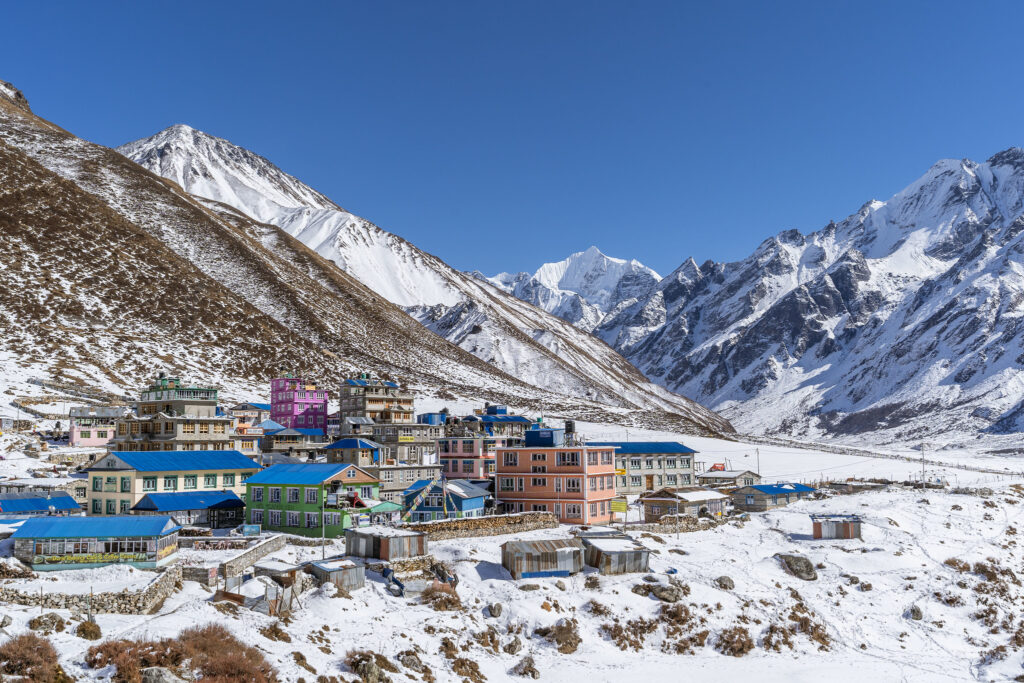
Introduction
If you’re looking for a Himalayan adventure that feels both breathtaking and personal, the Langtang Valley Trek is a perfect choice. Just a few hours’ drive from Kathmandu, this beautiful valley welcomes you with peaceful trails, friendly mountain villages, and stunning views that stay with you long after the journey ends.
Unlike the busier routes likeEverest Base Camp or Annapurna Base Camp, Langtang feels quieter and more connected to nature. As you walk through the forests and open landscapes of Langtang National Park, you’ll pass through traditional Tamang villages where life moves at a slower, more meaningful pace. The warmth of the local people and their rich culture make the experience even more special.
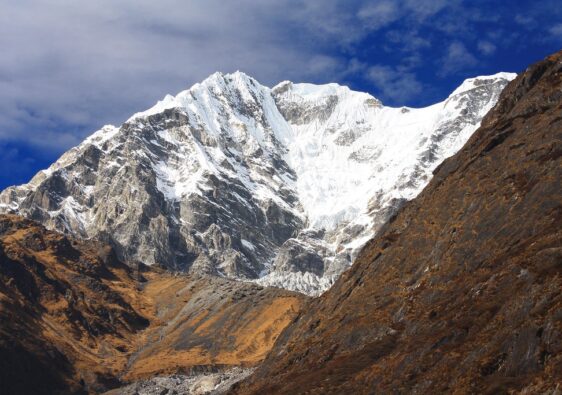
The trek offers the perfect balance of challenge and reward. It’s not too extreme, yet every step brings you closer to incredible mountain views, including the majestic Langtang Lirung towering above the valley. Whether you’re a first-time trekker or someone with experience, Langtang Valley feels like a journey not just through the mountains, but also into the heart of Nepal itself.
Why Choose Langtang Valley Trek?
The Langtang Valley Trek is perfect if you’re looking for a shorter Himalayan adventure that still delivers incredible scenery and cultural richness.
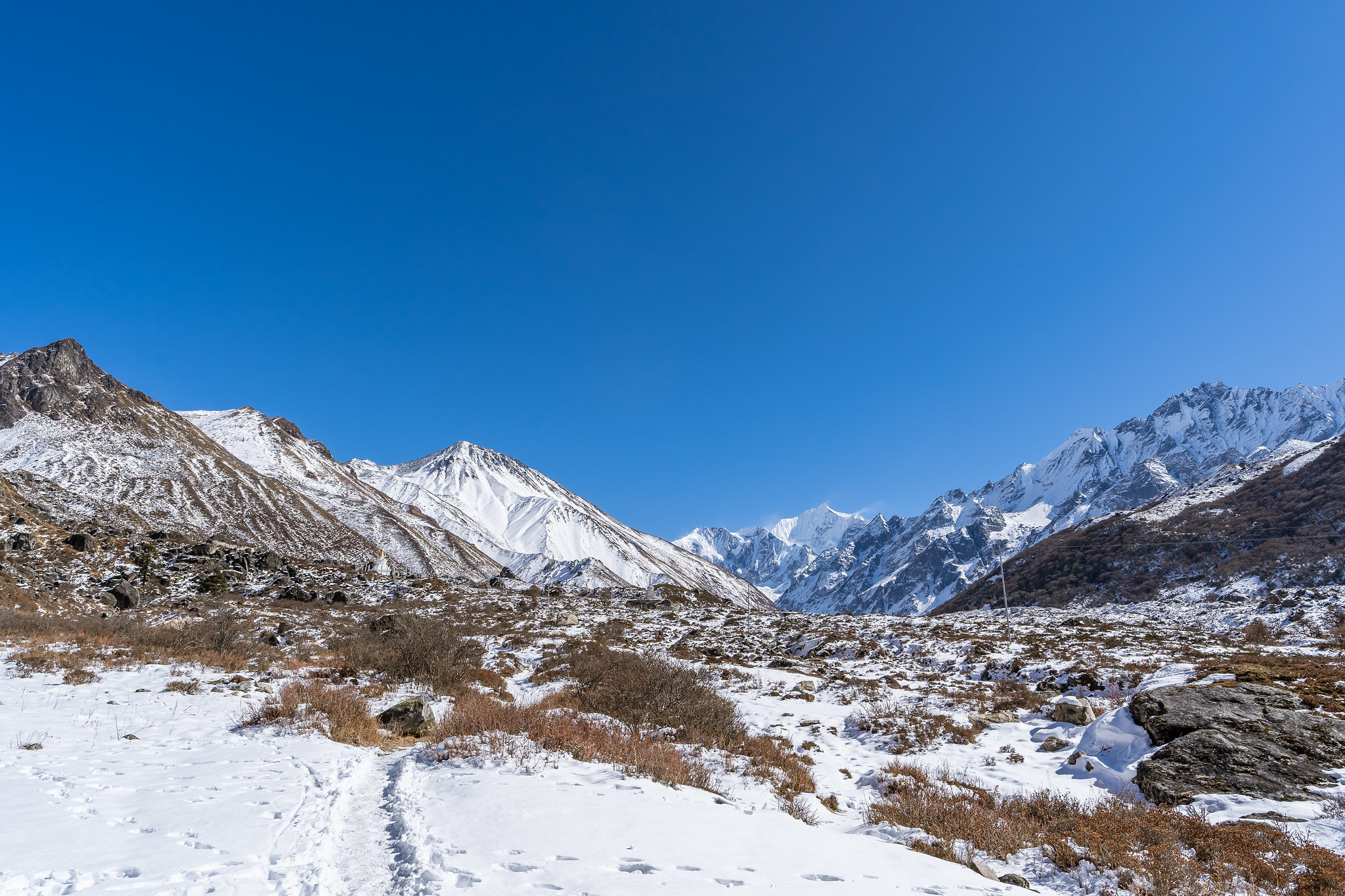
Here’s what makes it special:
- Stunning sunrise views over the Langtang range
- Panoramic Himalayan vistas from Tserko Ri
- A visit to the famous yak cheese factory at Kyanjin Gompa
- Authentic experiences with the Tamang community
- Exploration of glaciers, monasteries, and alpine landscapes
Langtang Valley Trek Overview
Located about 130 km north of Kathmandu, the Langtang Valley Trek lies within Langtang National Park Nepal’s first Himalayan national park.
This trek usually spans 7–10 days, covering around 75–80 km. The journey begins from Syabrubesi and gradually ascends through forests, rivers, and mountain villages, all under the shadow of Langtang Lirung (7,227m).
What makes this trek truly special is its diversity. One day you’re walking through dense forests filled with wildlife like red pandas, and the next, you’re surrounded by wide alpine meadows and glaciers.
But it’s not just about landscapes the culture here is equally captivating. The Tamang people, deeply influenced by Tibetan Buddhism, welcome trekkers with warm hospitality, colorful prayer flags, and centuries-old traditions.
The highest overnight stop is Kyanjin Gompa (3,870m), a peaceful mountain village surrounded by towering peaks. From here, you can hike to viewpoints like Kyanjin Ri or Tserko Ri for unforgettable mountain views.
Geography, History, and Significance
The Langtang Valley lies in the Rasuwa district of Nepal and forms part of the Langtang Himalayan range. It’s a region rich in both natural beauty and cultural heritage.
The area gained global attention after the devastating 2015 Nepal earthquake, which caused massive destruction in Langtang. However, the region has since rebuilt itself with resilience and strength, welcoming trekkers once again.
Today, Langtang stands as a symbol of recovery offering not just scenic beauty, but also a deeper, more meaningful travel experience.
Route Overview
A typical Langtang trek follows this route:
- Syabrubesi (1,460m): Starting point of the trek
- Lama Hotel (2,470m): Quiet stop surrounded by forest
- Langtang Village (3,430m): Rebuilt after the earthquake
- Kyanjin Gompa (3,870m): Cultural and scenic highlight
- Tserko Ri (5,000m): Best panoramic viewpoint
Each day brings new scenery from rivers and forests to glaciers and mountain peaks.
Langtang Valley Trek Itinerary (10 Days)
| Day | Plan | Description | Duration |
|---|---|---|---|
| Day 1 | Arrival in Kathmandu | Arrive in Kathmandu, check into your hotel, explore Thamel, and attend a short trek briefing | — |
| Day 2 | Drive to Syabrubesi | Enjoy a scenic drive through hills, rivers, and rural villages to the trek starting point | 7–8 hrs |
| Day 3 | Trek to Lama Hotel | Begin trekking along the Langtang River through forests and suspension bridges | 5–6 hrs |
| Day 4 | Trek to Langtang Village | Gradually ascend with beautiful valley and mountain views | 5–6 hrs |
| Day 5 | Trek to Kyanjin Gompa | Walk through yak pastures and glacial landscapes to reach Kyanjin Gompa | 4–5 hrs |
| Day 6 | Acclimatization Day | Explore the area or hike to Kyanjin Ri for panoramic views | 4–5 hrs |
| Day 7 | Hike to Tserko Ri & return | Early morning hike for sunrise views, then descend to Lama Hotel | 7–8 hrs |
| Day 8 | Trek back to Syabrubesi | Return through forest trails and riverside paths | 5–6 hrs |
| Day 9 | Drive to Kathmandu | Travel back to Kathmandu and relax | 7–8 hrs |
| Day 10 | Departure | Transfer to airport for your onward journey | — |
Trek Difficulty
The Langtang Valley Trek is considered moderate, making it suitable for beginners with decent fitness.
- Daily walking: 5–7 hours
- Distance: 10–12 km per day
- Terrain: Forest trails, rocky paths, and steep ascents
- Max altitude: 5,000m (Tserko Ri)
No technical climbing is required, but proper acclimatization is essential to avoid altitude sickness.
Best Time to Visit
- Spring (March–May): Blooming rhododendrons and clear skies
- Autumn (Sept–Nov): Best weather and mountain views
- Winter (Dec–Feb): Snowy landscapes, fewer crowds
- Monsoon (June–Aug): Lush greenery but slippery trails
Food and Accommodation
Accommodation along the trek is simple but comfortable. You’ll stay in teahouses with basic rooms, usually with twin beds and shared facilities.
Food is hearty and satisfying. The most popular meal is dal bhat, which comes with unlimited refills perfect after a long day of trekking.
You’ll also find options like noodles, pasta, soup, and even pizza in some places.
Packing Essentials
You don’t need to overpack. Keep it light and practical:
- Comfortable trekking clothes
- Waterproof jacket
- Good hiking boots
- Sleeping bag
- Water bottle & purifier
- Basic medicines & toiletries
Final Thoughts
If you’re looking for a trek that combines natural beauty, cultural richness, and peaceful trails, the Langtang Valley Trek is an excellent choice.
Unlike the busier routes, this journey feels more personal and authentic. From quiet forests to towering Himalayan peaks, every step brings a new experience.
Whether it’s watching the sunrise from Tserko Ri or sharing stories with locals in a mountain teahouse, Langtang leaves you with memories that stay long after the trek ends.
FQAs
The Langtang Valley Trek is considered moderate, which means it’s not too easy but definitely doable for most people. You’ll be walking around 5–7 hours a day on mixed terrain some forest trails, some rocky paths, and a few uphill climbs. If you’re reasonably fit and take it slow, even beginners can enjoy this trek without much trouble.
Most trekkers complete the journey in 7 to 10 days, depending on how fast they go and whether they take extra rest days for acclimatization. The trip usually starts and ends in Kathmandu, with a drive to Syabrubesi as the starting point of the trek.
The best time really depends on what kind of experience you’re looking for:
Spring (March–May): Beautiful flowers, especially rhododendrons, and clear skies
Autumn (September–November): Perfect weather and the best mountain views
Winter is quieter and snowy (great if you love solitude), while monsoon season brings lush greenery but also slippery trails.
While it’s possible to trek independently, hiring a guide is highly recommended and in many cases required. A guide not only helps with navigation but also adds depth to your experience by sharing local knowledge and culture, while keeping you safe along the way.
To trek in the Langtang region, you’ll need:
Entry permit for Langtang National Park
TIMS (Trekkers’ Information Management System) card
These are easy to arrange and are essential for both safety and conservation.
The highest point most trekkers reach is Tserko Ri, standing at around 4,980 meters. The panoramic views from the top are absolutely worth the effort especially at sunrise.
Yes, since you’ll be going above 3,500 meters, altitude sickness is something to take seriously. The good news is that it can usually be avoided by ascending slowly, staying hydrated, and taking rest days when needed.
Accommodation along the trail is simple but comfortable. You’ll stay in local teahouses, which offer basic rooms (usually twin-sharing) and shared bathrooms. It’s not luxury, but it’s warm, welcoming, and part of the trekking experience.
Food is surprisingly varied! The most common meal is dal bhat, which is filling and comes with unlimited refills perfect after a long day of walking. You’ll also find noodles, soups, pasta, and some simple Western dishes along the route.
Yes, it’s actually one of the best treks in Nepal for beginners. As long as you’re reasonably fit and take your time, you can complete it without prior trekking experience.
The cost usually falls between $400 and $900, depending on whether you go with a guide or book a full package. This typically includes permits, accommodation, food, and transportation.
What really sets Langtang apart is its balance it offers stunning mountain views, rich Tamang culture, and peaceful trails without the heavy crowds you’ll find on routes like the Everest Base Camp. It feels more personal, more authentic, and deeply rewarding.