Sabana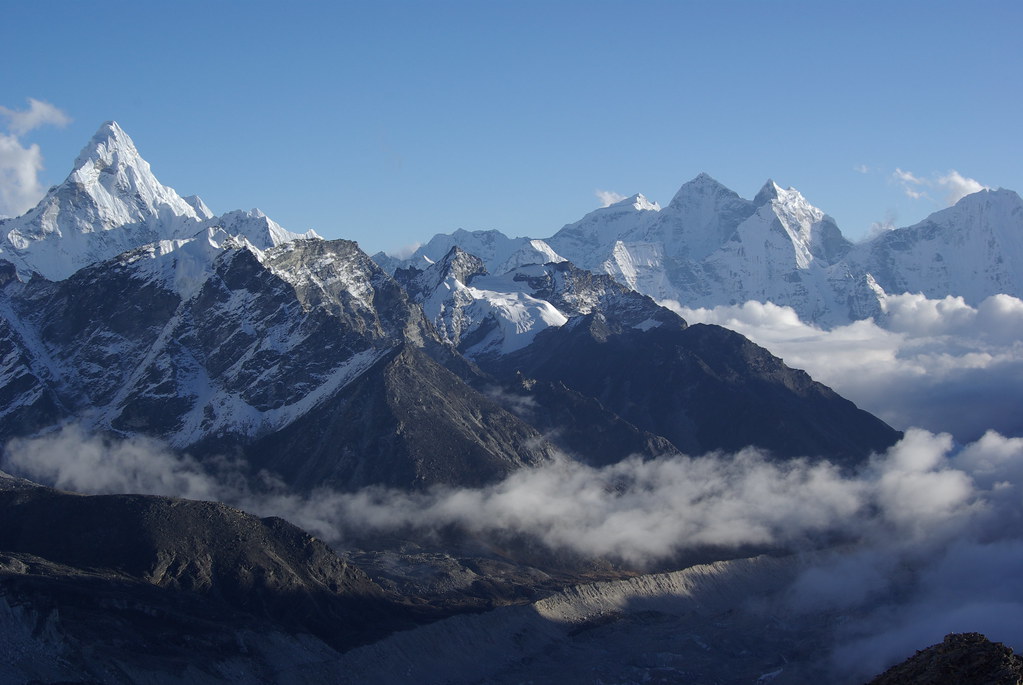
Introduction
The Kala Patthar Trek Nepal is one of Nepal’s most unforgettable Himalayan journeys and a dream adventure for trekkers from around the world. Located in the Everest region, Kala Patthar is famous for offering one of the closest and clearest views of Mount Everest. Standing at an altitude of around 5,545 meters, this legendary viewpoint rewards travelers with breathtaking panoramas of Everest, Lhotse, Nuptse, Pumori, and the massive Khumbu Glacier.
For adventure lovers, photographers, and mountain enthusiasts, the trek offers far more than just scenic beauty. The route takes you through charming Sherpa villages, peaceful Buddhist monasteries, suspension bridges, alpine forests, and glacier valleys that showcase the true spirit of the Himalayas.
Although the trek can be physically demanding because of the high altitude and rugged terrain, it does not require technical climbing experience. With proper preparation, acclimatization, and determination, most trekkers can successfully complete the journey and experience one of Nepal’s most iconic trekking destinations.
Why Kala Patthar Is So Famous
Kala Patthar, meaning “Black Rock” in Nepali, is considered the best viewpoint in the Everest region. Many trekkers are surprised to discover that Everest Base Camp itself does not provide a full view of Mount Everest because nearby peaks partially block the summit.
Kala Patthar solves this perfectly by offering a spectacular panoramic view of Everest and the surrounding Himalayan giants. The viewpoint is especially magical during sunrise and sunset, when the first rays of sunlight turn the snow-covered peaks golden. It is a moment that stays in the memory of every trekker forever.Because of these incredible views, Kala Patthar has become one of the most photographed spots in the Himalayas.
Highlights of the Kala Patthar Trek Nepal
- Stunning panoramic views of Mount Everest
- Beautiful sunrise and sunset scenery
- Traditional Sherpa culture and hospitality
- Ancient monasteries, mani walls, and prayer flags
- Scenic trekking trails through Sagarmatha National Park
- Suspension bridges above glacial rivers
- Views of the Khumbu Glacier and Icefall
- High-altitude trekking experience
- Incredible photography opportunities
- A rewarding sense of adventure and achievement
Geographic Location of Kala Patthar
Kala Patthar is located near Gorak Shep in Nepal’s Everest region. The viewpoint lies on the southern ridge of Mount Pumori inside Sagarmatha National Park, a UNESCO World Heritage Site known for its unique mountain ecosystem and biodiversity.
The hike to Kala Patthar includes rocky trails, glacial terrain, and thin mountain air, making the climb both challenging and rewarding. From the summit, trekkers can enjoy breathtaking views of several world-famous Himalayan peaks, including:
- Mount Everest (8,848.86 m)
- Lhotse (8,516 m)
- Nuptse (7,861 m)
- Pumori (7,161 m)
The panoramic scenery from the top is one of the main reasons why trekkers consider Kala Patthar the highlight of the Everest Base Camp route.
Kala Patthar Trek Nepal 12-Day Itinerary
| Day | Destination / Route | Activities & Highlights |
|---|---|---|
| Day 1 | Arrival in Kathmandu | Arrive in Kathmandu and explore cultural landmarks, local markets, and trekking preparation areas. |
| Day 2 | Fly to Lukla & Trek to Phakding | Enjoy a scenic mountain flight to Lukla and begin trekking through beautiful villages and river valleys toward Phakding. |
| Day 3 | Phakding to Namche Bazaar | Cross suspension bridges over the Dudh Koshi River and trek through Sagarmatha National Park to reach Namche Bazaar. |
| Day 4 | Acclimatization in Namche Bazaar | Spend the day adjusting to the altitude while visiting viewpoints, cafes, museums, and nearby hiking trails. |
| Day 5 | Trek to Tengboche | Walk through rhododendron forests and mountain trails to reach the famous Tengboche Monastery. |
| Day 6 | Trek to Dingboche | Continue through alpine landscapes with breathtaking Himalayan views and traditional Sherpa villages. |
| Day 7 | Acclimatization at Dingboche | Take a short acclimatization hike around Dingboche to help your body adapt to higher altitude. |
| Day 8 | Trek to Lobuche | Trek through rugged mountain terrain and glacier surroundings as you approach the high Himalayas. |
| Day 9 | Trek to Gorak Shep & Everest Base Camp | Reach Gorak Shep and continue to Everest Base Camp surrounded by glaciers and dramatic mountain scenery. |
| Day 10 | Hike to Kala Patthar & Descend to Pheriche | Early morning hike to Kala Patthar for sunrise views of Everest before descending to Pheriche. |
| Day 11 | Trek Back to Namche Bazaar | Retrace the scenic Himalayan trail through forests and Sherpa settlements back to Namche Bazaar. |
| Day 12 | Return to Lukla & Fly to Kathmandu | Complete the trek and fly back to Kathmandu with unforgettable Himalayan memories. |
Best Time to Visit Kala Patthar
Spring Season (March to May)
Spring is one of the best times for the Kala Patthar Trek . The weather is generally stable, skies remain clear, and rhododendron forests bloom beautifully along the trails.
Autumn Season (September to November)
Autumn is the most popular trekking season in Nepal because of its dry weather, excellent visibility, and comfortable trekking conditions.
Both spring and autumn offer ideal conditions for trekking and mountain photography.
Flora, Fauna, and Natural Beauty
The Everest region is rich in natural beauty and wildlife. During the trek, travelers may encounter:
- Himalayan Thar
- Musk Deer
- Danphe (Nepal’s national bird)
- Yaks grazing in alpine meadows
The trail also passes through forests, rivers, glaciers, waterfalls, and dramatic Himalayan landscapes that make the journey truly unforgettable.
Safety Tips for the Kala Patthar Trek Nepal
High altitude is one of the biggest challenges during the trek, so proper preparation is extremely important.
Common Symptoms of Altitude Sickness
- Headache
- Dizziness
- Fatigue
- Nausea
- Loss of appetite
- Difficulty sleeping
Important Trekking Tips
- Walk slowly and maintain a steady pace
- Drink enough water throughout the trek
- Avoid alcohol and smoking
- Take acclimatization days seriously
- Carry proper trekking gear
- Descend immediately if symptoms become severe
Hiring an experienced trekking guide is highly recommended for both safety and navigation.
Essential Gear for the Trek
Clothing
- Thermal base layers
- Warm down jacket
- Waterproof jacket
- Gloves and woolen hat
- Warm trekking socks
Trekking Equipment
- Comfortable trekking boots
- Trekking poles
- Headlamp
- Sunglasses and sunscreen
- Power bank
- First aid kit
- Water purification tablets
Having proper equipment makes the trek safer, easier, and more comfortable.
Permits Required for Kala Patthar Trek
Trekkers need the following permits to enter the Everest region:
Permit Name
- Sagarmatha National Park Permit
- Khumbu Pasang Lhamu Rural Municipality Permit
- Gaurishankar Conservation Permit (via Jiri route only)
Always carry your permits during the trek because they are checked at multiple points along the trail.
Conclusion
The Kala Patthar Trek is one of Nepal’s most rewarding trekking adventures, combining breathtaking mountain scenery, Sherpa culture, glacier landscapes, and unforgettable views of Mount Everest. Every part of the journey offers a unique experience, from peaceful monasteries and suspension bridges to dramatic Himalayan panoramas.
Although the trek is challenging, the feeling of standing at Kala Patthar and watching the sunrise over Everest makes every step worthwhile. For anyone seeking adventure, natural beauty, and a true Himalayan experience, the Kala Patthar Trek is an unforgettable journey that creates memories for a lifetime.
FAQs – Kala Patthar Trek
The trek is moderately to highly challenging due to the high altitude and long walking hours. No technical climbing is required, but good fitness and proper acclimatization are essential.
Kala Patthar is located at approximately 5,545 meters (18,192 feet), making it one of the best high-altitude viewpoints in the Everest region.
Prior trekking experience is helpful but not mandatory. Beginners can complete the trek with proper preparation, slow pacing, and a guided itinerary.
The best seasons are spring (March–May) and autumn (September–November) due to clear skies, stable weather, and excellent mountain visibility.
Not clearly. Everest Base Camp does not offer a full view of Mount Everest, which is why most trekkers hike to Kala Patthar for the best viewpoint.
A standard Kala Patthar and Everest Base Camp trek usually takes around 12 days, depending on the route and pace.
Yes. Because the trek goes above 5,000 meters, altitude sickness is a real risk. Proper acclimatization, hydration, and slow ascent are very important.
You need the Sagarmatha National Park Permit and the Khumbu Pasang Lhamu Rural Municipality Permit.
While not strictly mandatory, hiring a guide is highly recommended for safety, navigation, and better understanding of local culture and trails.
Essential items include warm layered clothing, trekking boots, a down jacket, gloves, sunscreen, sunglasses, a headlamp, and a basic first aid kit.