Sabana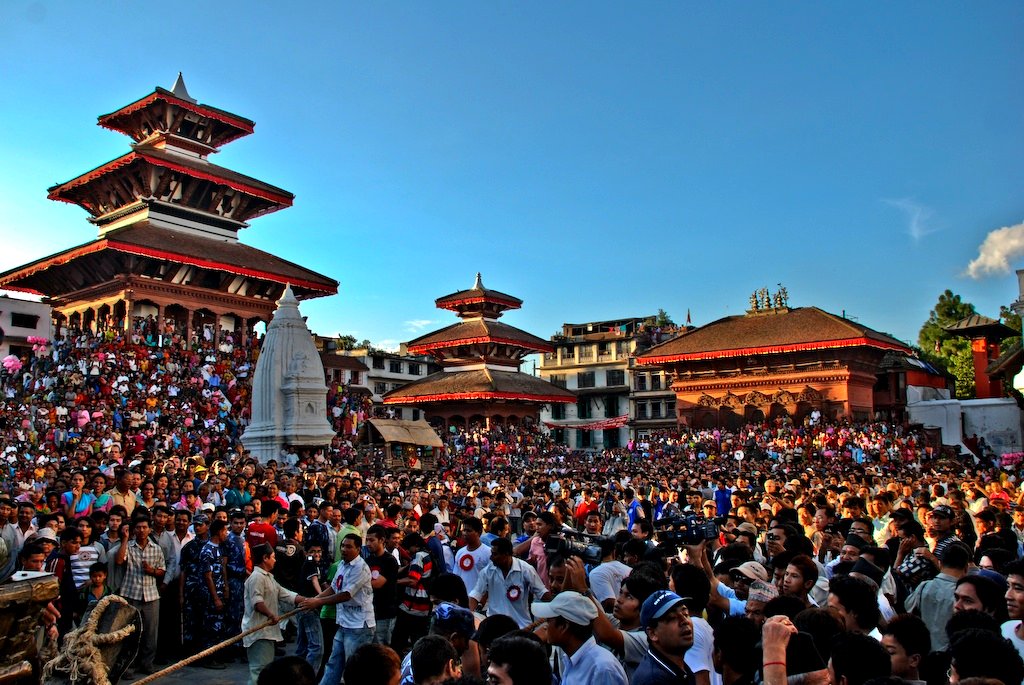
Introduction
Visiting Nepal during Dashain offers an unforgettable blend of culture, tradition, and natural beauty. As the longest and most significant Hindu festival in the country, Dashain is celebrated over about two weeks with deep devotion, vibrant rituals, and meaningful family gatherings.
At its heart, Dashain honors Goddess Durga, the powerful mother figure created from the combined energy of all gods to defeat evil forces. The festival is not just religious, it is also a time of harvest, gratitude, and reunion, where families come together to celebrate life and blessings.
Spiritual Meaning and Ritual Flow
Dashain unfolds over multiple days, each with its own importance. From Ghatasthapana to Vijaya Dashami, the rituals gradually build up to the celebration of victory over evil.
During the early days, devotees visit rivers and temples, offering prayers in the morning and evening. As the festival progresses, important days like Phulpati, Maha Ashtami, and Maha Navami bring more intense rituals and gatherings.
A major highlight occurs in Hanuman Dhoka, where traditional ceremonies, including animal sacrifices, are performed. On the ninth day, the usually restricted Taleju Temple opens its doors to the public, drawing large crowds of devotees.
The Celebration of Tika and Family Bonds
The tenth day, known as Tika, is the emotional peak of Dashain. Elders place a mixture of rice, yogurt, and vermilion on the foreheads of younger family members, blessing them with prosperity and protection.
People travel across the country to receive these blessings, which is why cities like Kathmandu often feel quieter during this time. The festival creates a strong sense of connection, reminding everyone of the importance of family and tradition.
Mythological Stories Behind Dashain
Dashain is not just a festival it is deeply connected to powerful stories that remind people that good always wins over evil. These ancient beliefs give the festival its true meaning and make it spiritually important even today.
Victory of Goddess Durga
At the heart of Dashain is the story of Goddess Durga and her battle with the demon Mahishasura. This demon caused fear and destruction in both the heavens and the earth. To protect the world, Goddess Durga fought him for nine days with great strength and courage. On the tenth day, she finally defeated him, and this moment is celebrated as Vijaya Dashami. This story teaches that no matter how strong evil may seem, truth and goodness will always win in the end.
Connection to the Ramayana
Dashain is also linked to the story of Lord Rama from the Ramayana. It is believed that before fighting Ravana, Rama prayed to Goddess Durga for strength and blessings. With her support, he was able to defeat Ravana on Vijaya Dashami. This reminds people that faith, patience, and belief in divine power can help overcome even the most difficult situations.
Together, these stories carry strong messages about courage, hope, and belief. During the first nine days of Dashain, people worship different forms of Goddess Durga, each representing power, protection, and positive energy. This makes the festival not only a celebration but also a meaningful spiritual journey.
Historical and Cultural Roots
Originally, Dashain began as an agricultural festival marking the end of the monsoon and the beginning of harvest season. Farmers celebrated the fruits of their hard work and prayed for future prosperity.
During the era of kings, rulers performed grand rituals to seek blessings for their kingdoms. These traditions helped strengthen unity between leaders and communities, making Dashain both a cultural and political symbol in Nepal’s history.
Traditions and Everyday Celebrations
Dashain is not only about rituals, it’s also about joy, fun, and shared experiences, Music and Atmosphere.
Traditional tunes like Malshree Dhun fill the air, creating a festive and spiritual mood across villages and cities.
Flying Kites
Kite flying becomes a daily activity. People compete playfully, and when a kite is cut, children shout “Changa Chet,” adding excitement to the skies.
While Dashain approaches near, you can see a kite flying up in the sky. Flying kites has become a tradition among the people. According to ancient people, flying kites during Dashain reminds God not to send rain anymore.
Animal Sacrifice
Animal sacrifice is one of the traditional practices observed during Dashain, where animals like goats, buffaloes, ducks, and rams are offered to Goddess Durga in temples. Devotees believe these offerings bring blessings, protection, and good fortune. This ritual is mainly performed on days such as Maha Ashtami and Maha Navami, often followed by large family or community feasts.
In modern times, however, this practice is seen in different ways. Many people now choose symbolic offerings like fruits, flowers, or coconuts instead, while still keeping the spiritual meaning of the festival alive.
Kumari and Ganesh Puja
In the Newar community, Dashain is celebrated with its own unique traditions. Instead of focusing only on the forms of Goddess Durga, people worship Kumari and Ganesh. Young girls are honored as Kumari, and young boys represent Lord Ganesh.
This practice reflects purity, devotion, and respect for divine energy. It also shows how Dashain is celebrated in different ways across Nepal while keeping the same spiritual essence.
Spending Time with Family and Relatives
At its heart, Dashain is all about family and togetherness. People travel long distances to return home and celebrate with their loved ones. Homes become filled with laughter, food, and happiness during this special time.
Elders bless younger family members with tika and heartfelt wishes for health, success, and prosperity. Along with blessings, gifts and small tokens of love are shared, making the festival a warm and meaningful celebration of family bonds and unity.
Buying New Clothes
Shopping is a big part of Dashain. Markets are full of offers, and wearing new clothes symbolizes a fresh start.
Also, children wear new dresses and visit relatives’ houses for tika. As buying clothes is the trend on Dashain, there are sales in many places.
Bamboo Swings
During the Dashain festival, people construct bamboo swings in different county places for enjoyment. A high swing is made in village areas. These rituals manifest the tradition, local culture, community, and spirit of having fun during the celebrations. The local people of the village constructed the swing with locally available materials.
Timeline of Dashain Festival (15 Days Overview)
Dashain is the longest and one of the most significant Hindu festivals celebrated in Nepal, lasting around 15 days according to the lunar calendar. Each day holds its own religious and cultural importance, but the overall celebration is dedicated to Goddess Durga and the victory of good over evil. The most important moment arrives on the tenth day, when elders bless younger family members with tika, jamara, and sincere wishes for happiness, health, and prosperity.
Ghatasthapana (First Day)
The festival begins with Ghatasthapana, a sacred ritual that marks the start of Dashain. On this day, a holy vessel is placed to invite Goddess Durga’s presence into the home. Families also sow barley seeds (jamara), which gradually grow over the days and symbolize life, growth, and prosperity. It is a peaceful beginning that sets the spiritual tone for the entire festival.
Day 2 to Day 6
From the second day onward, daily prayers and worship continue in honor of Goddess Durga. Devotees seek her blessings for protection, good health, and success in life. During this period, homes are cleaned and decorated, and a calm yet festive atmosphere builds up as preparations for the main celebrations continue.
Phulpati (Seventh Day)
Phulpati is marked by the arrival of sacred flowers, leaves, and plants into homes and temples, often through traditional processions. This day reflects cultural pride and togetherness, as families and communities come together in celebration and devotion.
Maha Ashtami (Eighth Day)
Maha Ashtami is one of the most spiritually powerful days of Dashain. Devotees observe fasting and perform special rituals dedicated to Goddess Durga. In some traditions, animal offerings are also made, followed by communal feasts that bring families and communities together.
Maha Navami (Ninth Day)
On Maha Navami, worship of Goddess Durga continues with great devotion. Families gather for prayers, and younger members seek blessings from their elders. The day strengthens family relationships and highlights respect and unity within the household.
Bijaya Dashami (Tenth Day)
Bijaya Dashami is the most emotional and important day of Dashain. Elders lovingly apply tika (a mixture of rice, yogurt, and vermilion) on the foreheads of younger family members and offer blessings for a prosperous life. People travel long distances to meet relatives, making it a day filled with joy, reunion, and heartfelt connections.
Kojagrat Purnima (Final Day)
The festival ends with Kojagrat Purnima, a day dedicated to gratitude and reflection. People thank Goddess Durga for her blessings and protection throughout Dashain. Families gather for final feasts and celebrations, ending the festival with happiness, togetherness, and a sense of peace before returning to everyday life.
Traditional Foods and Conditioning During Dashain
Food is an important part of Dashain, bringing families together to partake joy, love, and tradition. These dishes are prepared with care and frequently follow fashions passed down through generations.
Mutton Curry
Mutton curry is a crucial gleeful dish, cooked with rich spices that fill homes with a warm aroma. Every family has its own unique form, making it a special part of the festivity.
Sel Roti
Sel roti is a traditional ring- shaped rice chuck that’s crisp and sweet. Families prepare it at home and partake it with cousins and guests during the jubilee.
Kheer
Kheer is a sweet rice pudding made with milk and cardamom. It represents happiness and substance and is enjoyed by everyone during Dashain.
Achar
Achar adds a racy and pungent flavor to the mess. Made from vegetables like radish or tomato, it completes the gleeful feast.
Overall, Dashain food reflects sharing, tradition, and togetherness, making the festivity indeed more special.
Changing Traditions in Modern Times
While Dashain continues to follow age-old traditions, it is also evolving. Many families now prefer symbolic offerings instead of animal sacrifices, reflecting changing values.
For Nepalis living abroad, the festival is celebrated through virtual gatherings, shared meals, and cultural events. Even far from home, the spirit of Dashain remains strong.
Dashain and Nepalese Society
Dashain plays a major role in shaping social and cultural life. It boosts local markets, encourages travel, and strengthens relationships. No matter where people live or work, they try to return home for blessings from elders.
This tradition keeps families connected and helps preserve cultural identity across generations.
Stylish journeys to witness During Dashain
Dashain falls in the afterlife season( September – October), making it one of the stylish times to explore Nepal. After the thunderstorm, the skies are clear, the mountains look fresh and sharp, and the geographies turn lush green. Trails are also quieter, as numerous locals return home for the jubilee, giving pedestrians a peaceful experience.
Everest Base Camp Trek
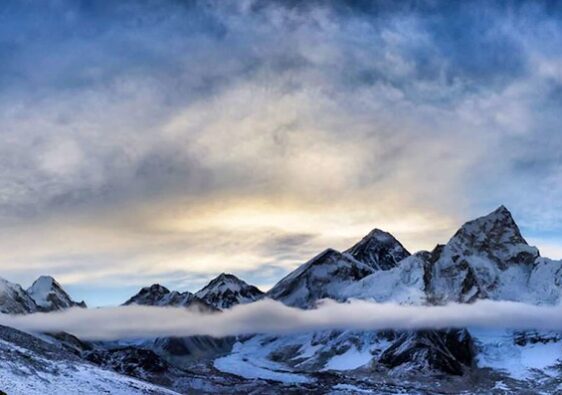
The Everest Base Camp Trek or journey becomes indeed more special during Dashain. The rainfall is stable, and the views of Everest and girding peaks are crystal clear clear. Places like Namche Bazaar frequently show gleeful original life, while cloisters similar as Tengboche may hold special rituals. The journey generally takes 12 – 5 days and is relatively grueling but largely satisfying.
Annapurna Base Camp Trek
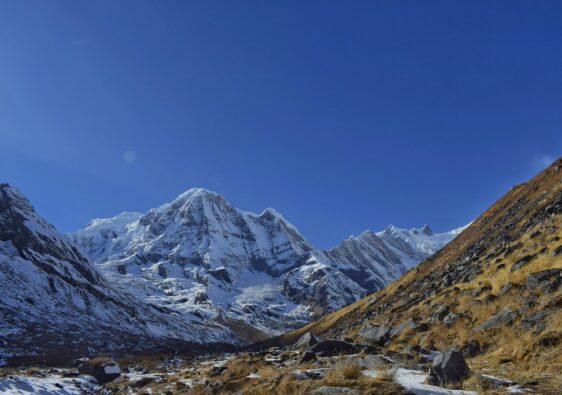
This journey offers beautiful decor with green hills, gutters, and mountain views. During Dashain, you may also see original Gurung and Magar communities celebrating the jubilee along the way. crucial highlights include Machhapuchhre( Fishtail Mountain), Jhinu hot springs, and the Annapurna Sanctuary. It takes about 7 – 10 days and is relatively easy.
Annapurna Circuit Trek
Known for its variety, this journey passes through timbers, townlets, and high mountain passes. During Dashain, original townlets celebrate with traditional food and gatherings, giving a artistic touch to the trip. Major highlights include Thorong La Pass, Muktinath Temple, and Marpha vill. It generally takes 14 – 18 days and is more grueling .
Langtang Valley Trek
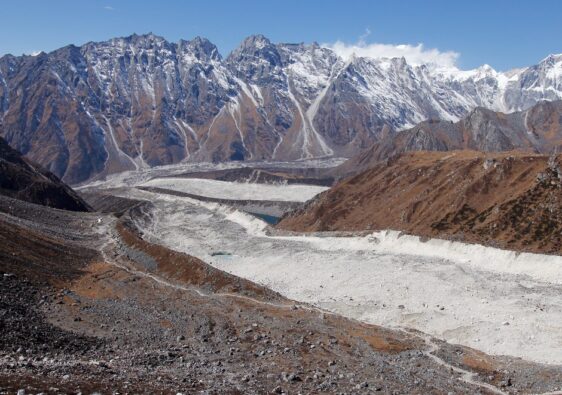
Close to Kathmandu, this is a great short journey. It offers beautiful mountain views and strong original Tamang culture. During Dashain, you can witness traditional music, balls, and vill fests. The journey takes around 7 – 9 days and is relatively easy.
Mardi Himal Trek
This is a quiet and less crowded journey with amazing views of Machhapuchhre. It’s perfect for a peaceful Dashain touring experience. You can enjoy daylight views, timber trails, and simple homestays with original families. The journey takes about 5 – 7 days and is fairly easy to moderate.
Dashain season adds a special artistic touch to touring in Nepal, combining natural beauty with gleeful traditions and warm original hospitality.
Why Dashain Defines Nepal
Dashain is more than just a festival, it represents the soul of Nepal. It combines spirituality, tradition, family values, and joy into one meaningful celebration.
From rituals and blessings to feasts and laughter, Dashain reflects the essence of Nepali life. Whether in a village or a busy city, the message remains the same: good will always overcome evil, and togetherness is what truly matters.
Conclusion
Dashain stands as a powerful symbol of unity, faith, and renewal. It brings people closer, strengthens traditions, and celebrates the victory of positivity over negativity.
Whether you experience it as a traveler or celebrate it at home, Dashain leaves a lasting impression one filled with warmth, blessings, and unforgettable memories.
FAQs
Dashain is the biggest and most important Hindu festival in Nepal, celebrated for about 15 days. It honors Goddess Durga and represents the victory of good over evil.
Dashain is usually celebrated in September or October, based on the lunar calendar. The main day, Vijaya Dashami (Tika), is the most significant.
Dashain is important Nepal festival because it brings families together, strengthens cultural traditions, and allows people to receive blessings from elders for health, success, and prosperity.
On Tika day, elders apply a mixture of rice, yogurt, and vermilion on the foreheads of younger family members and give blessings along with gifts or money.
Key rituals include Ghatasthapana (beginning), Phulpati, Maha Ashtami, Maha Navami, and Vijaya Dashami. Each day has its own religious and cultural meaning.
Popular foods include Sel Roti, Kheer, mutton curry, and traditional pickles (achar), enjoyed during family feasts.
Yes, Dashain is a great time to visit Nepal due to clear weather, beautiful landscapes, and the chance to experience authentic local culture.
Some communities continue the tradition, especially during Maha Ashtami and Maha Navami, while others prefer symbolic offerings like fruits and flowers.
During Dashain, many people travel to their hometowns, and cities like Kathmandu become quieter, while villages become more lively.
Dashain is unique because it combines religion, family bonding, cultural traditions, and celebration, making it the most meaningful festival in Nepal.