Sabana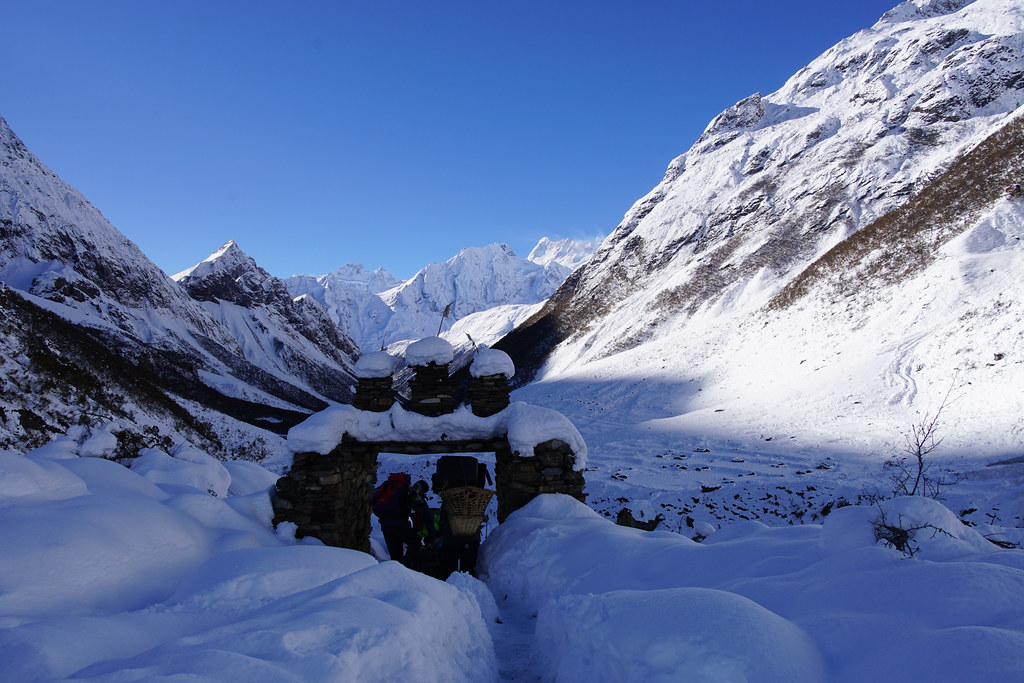
Introduction
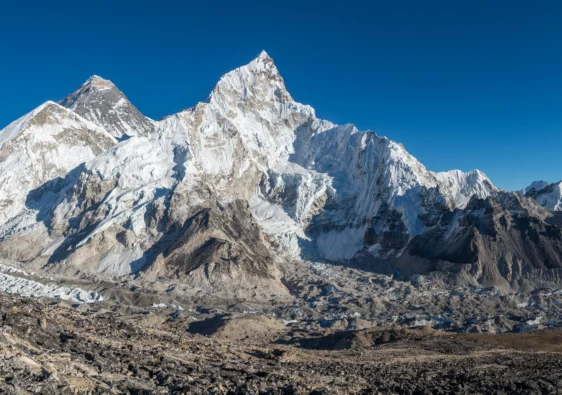
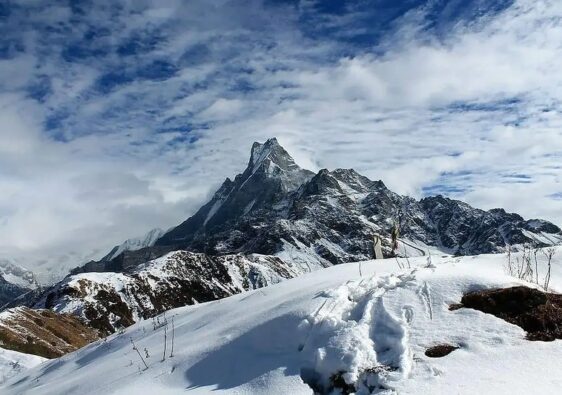
If you’re looking for a trekking experience that feels raw, peaceful, and truly authentic, the Manaslu Circuit 15-Day Trek might be exactly what you need. Often called the Manaslu Base Camp Trek, this journey takes you around the mighty Mount Manaslu (8,163 meters), offering one of the most rewarding adventures in Nepal.
Unlike the more crowded trekking routes, Manaslu remains quiet and less commercialized. Since it’s a restricted region, everything here feels untouched almost like stepping back in time. You won’t just see the Himalayas you’ll feel them.
From lush green valleys to dramatic high-altitude landscapes, every single day brings something new. Whether you’re crossing suspension bridges, walking through ancient villages, or climbing toward snowy mountain passes, this trek is a full Himalayan experience in every sense.
Overview of the Manaslu Circuit
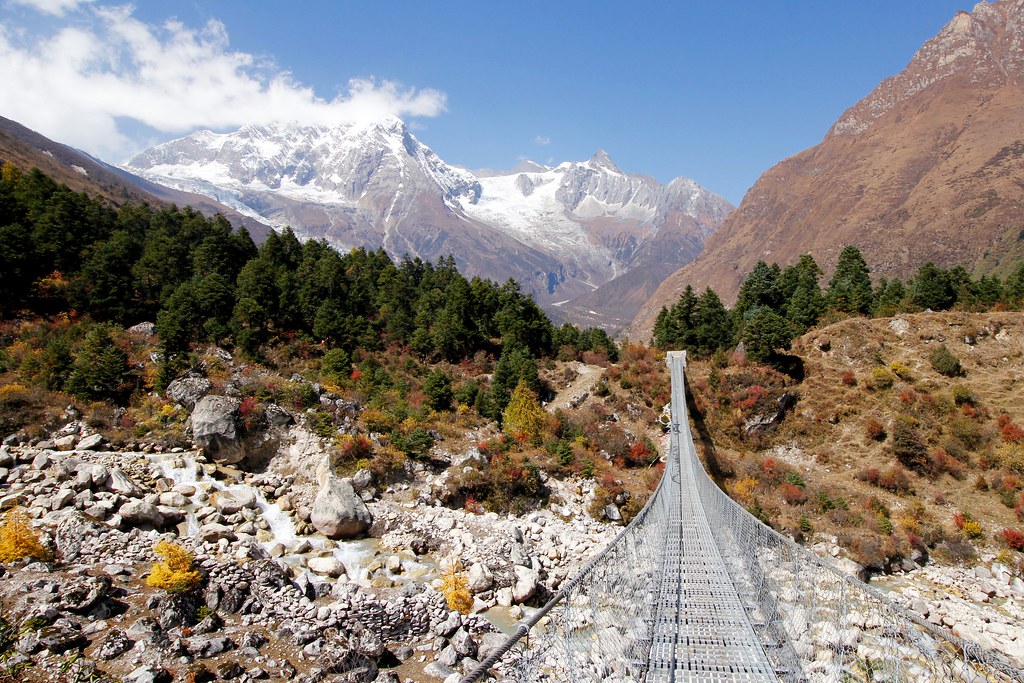
The Manaslu Region is one of Nepal’s best-kept secrets. Opened for trekking only in 1992, it still offers a sense of exploration that’s hard to find elsewhere.
At the heart of it all stands Mount Manaslu, also known as the “Spirit Mountain.” The name itself reflects the deep spiritual connection locals have with this peak.
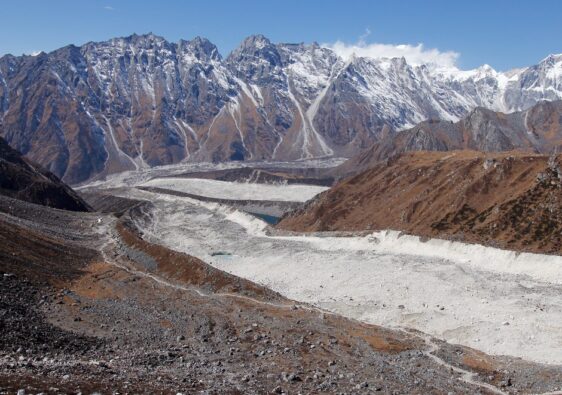
What makes this region truly special is its diversity. One moment you’re walking through dense forests and river valleys, and the next, you’re surrounded by glaciers and towering peaks. Along the way, you’ll pass through traditional villages influenced by Tibetan culture especially in the peaceful and mystical Tsum Valley.
As you go higher, things get simpler basic teahouses, fewer facilities but somehow, that’s where the magic begins. The views get better, the air feels fresher, and the experience becomes more real.
Nature & Culture: What Makes It Special
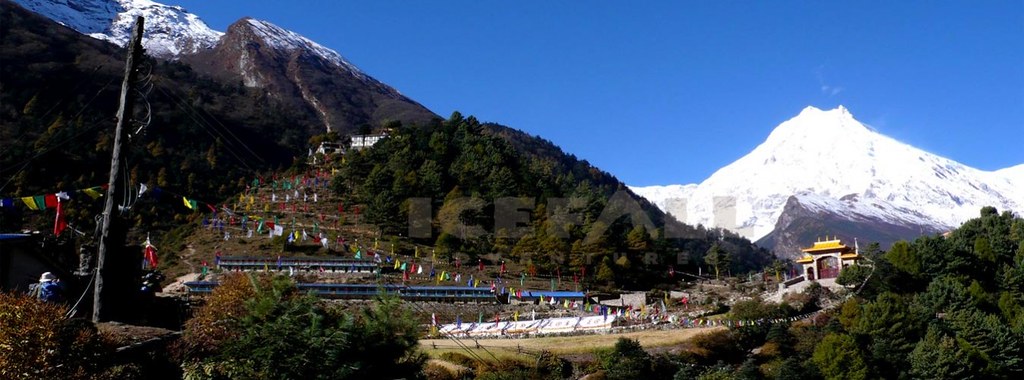
The Manaslu region is all about untouched beauty. Compared to Everest or Annapurna, it’s quieter, less crowded, and far more intimate.
One of the biggest highlights is crossing the Larkya La Pass (5,106m) a moment that feels both challenging and incredibly rewarding. The views from the top are simply unforgettable.
You’ll also get to see places like Birendra Lake, visit remote Himalayan settlements, and even get close to the Tibetan border.
The trail follows rivers like the Budhi Gandaki and offers stunning views of peaks such as Ganesh Himal. But beyond the landscapes, it’s the lifestyle of the people their simplicity, traditions, and warmth that really stays with you.
A Bit of History
Mount Manaslu isn’t just a mountain it has a story. Its name comes from the Sanskrit word Manasa, meaning “soul” or “mind.”
The first successful climb was made in 1956 by Toshio Imanishi and Gyaltsen Norbu Sherpa.
For centuries, this region has also been part of old trade routes connecting Nepal and Tibet. Even today, walking these trails feels like stepping into history.
Highlights of the Trek
What makes this trek unforgettable?
- Jaw-dropping views of Himalayan giants like Manaslu, Himlung Himal, and Annapurna II
- A mix of landscapes from forests and rivers to glaciers and alpine terrain
- Unique cultural experiences in villages like Sama Gaon and Samdo
- Crossing the iconic Larkya La Pass
- Chances to spot wildlife like Himalayan Tahr, marmots, and even snow leopards
- Peaceful trails with fewer trekkers
How Difficult Is It?
Let’s be real this trek isn’t easy.
It’s considered moderate to difficult, mainly because of:
- Long walking days (6–8 hours)
- Steep climbs and descents
- High altitude (above 5,000 meters)
- Changing weather conditions
But with good preparation and a positive mindset, it’s absolutely doable and incredibly rewarding.
Permits & Rules
Since this is a restricted area, there are a few rules to follow:
- You’ll need special permits (RAP, MCAP, ACAP)
- Solo trekking isn’t allowed
- You must trek with a licensed guide
- Booking through a registered agency is required
These rules help protect the region and keep it preserved.
Best Time to Go
Timing can make a big difference in your experience.
Spring (March–May)
Everything feels alive green hills, blooming flowers, and clear mountain views.
Autumn (September–December)
This is the most popular time. The weather is stable, skies are clear, and the views are stunning.
What to Avoid
- Monsoon (June–August): Rain, landslides, slippery trails
- Winter (Jan–Feb): Extreme cold and snow-blocked passes
Trek Itinerary (15 Days Snapshot)
Your journey starts from Kathmandu, then gradually moves through remote villages, forests, and high mountain terrain.
Highlights include:
- Trekking through Jagat, Deng, Namrung
- Acclimatization at Samagaun
- Crossing Larkya La Pass
- Descending through Bhimthang and Dharapani
Each day feels like a new adventure.
15-Day Manaslu Circuit Trek Itinerary
| Day | Plan | Description |
|---|---|---|
| Day 1 | Arrival in Kathmandu | Arrive in Nepal, meet your guide, and complete permits and trek preparations. |
| Day 2 | Drive to Soti Khola | Scenic drive through hills, rivers, and rural villages. |
| Day 3 | Trek to Machha Khola | Begin trekking along the Budhi Gandaki River valley. |
| Day 4 | Trek to Jagat | Walk through forests and waterfalls to a key entry checkpoint. |
| Day 5 | Trek to Deng | Enter a remote valley with strong Tibetan cultural influence. |
| Day 6 | Trek to Namrung | Gradual climb through pine forests with mountain views. |
| Day 7 | Trek to Lho | Reach a scenic village with wide Himalayan panoramas. |
| Day 8 | Trek to Samagaun | Arrive at a major acclimatization stop in the region. |
| Day 9 | Acclimatization in Samagaun | Rest day with optional hikes to Manaslu Base Camp or monasteries. |
| Day 10 | Trek to Samdo | Short ascent toward the Tibetan border area. |
| Day 11 | Trek to Dharamsala | Final stop before crossing the high mountain pass. |
| Day 12 | Cross Larkya La Pass & Trek to Bimthang | Cross 5,106m pass and descend into the valley. |
| Day 13 | Trek to Dharapani | Descend and join the Annapurna Circuit trail. |
| Day 14 | Drive to Besisahar & return to Kathmandu | Drive back and return to Kathmandu. |
| Day 15 | Departure | Final departure from Nepal with unforgettable memories. |
Accommodation & Food
Don’t expect luxury but expect authenticity.
- Stay in teahouses along the trail
- Comfortable hotels in Kathmandu
- Simple but filling meals
Common foods include:
- Potatoes (your best energy source!)
- Tibetan bread
- Sherpa stew
- Oats and buckwheat
Fitness & Preparation
You don’t have to be an athlete but you do need to prepare.
- Practice walking or hiking regularly
- Build stamina and endurance
- Stay hydrated during the trek
- Learn about altitude sickness
Connectivity
- Limited Wi-Fi and electricity
- Available at extra cost in some places
- Best to disconnect and enjoy the mountains
Final Thoughts
The Manaslu Circuit Trek isn’t just a trek it’s an experience that stays with you long after you return.
It’s quieter, wilder, and more authentic than many other routes in Nepal. If you want to truly connect with nature, culture, and yourself, this journey is worth every step.
FAQs
The Manaslu Circuit Trek is a remote Himalayan trekking route in Nepal that circles the majestic Mount Manaslu (8,163m). It offers a mix of adventure, cultural experiences, and stunning mountain scenery.
The trek is considered moderate to difficult. Trekkers walk 6–8 hours daily and cross high altitudes above 5,000 meters, including the challenging Larkya La Pass.
Most itineraries take around 14–15 days, depending on your pace, acclimatization, and route variations.
Yes, hiring a licensed guide is mandatory. The Manaslu region is a restricted area, and solo trekking is not allowed.
You’ll need:
Manaslu Restricted Area Permit (RAP)
Manaslu Conservation Area Permit (MCAP)
Annapurna Conservation Area Permit (ACAP)
These permits help regulate tourism and protect the region.
The best seasons are:
Spring (March–May)
Autumn (September–December)
These months offer clear skies, stable weather, and the best mountain views.
No, it is much less crowded compared to popular routes like Everest or Annapurna, making it ideal for those seeking a peaceful trekking experience.
Yes, beginners can complete the trek with proper preparation, but good physical fitness is required. Prior trekking experience is helpful.
You’ll stay in:
Hotels in Kathmandu
Teahouses/lodges during the trek
Facilities become more basic as you go higher.
Typical meals include:
Dal Bhat (rice and lentils)
Potatoes and noodles
Tibetan bread
Soups and tea
Food options are simple but nutritious and energy-rich.
Yes, altitude sickness can be a risk above 3,000 meters. Proper acclimatization, hydration, and slow ascent are essential.
The highest point is Larkya La Pass (5,106m), which offers breathtaking panoramic views of the Himalayas.
Wi-Fi is available in some teahouses but:
It is limited and slow
Usually costs extra
Not available in remote areas
Essential items include:
Warm clothing and layers
Trekking boots
Sleeping bag
First aid kit
Water bottles and snacks
The Manaslu Circuit Trek offers:
Less crowded trails
Authentic Himalayan culture
Diverse landscapes
A true off-the-beaten-path adventure