Sabana
Introduction: Solo Trek in Nepal
Solo trekking in Nepal is one of the most rewarding ways to experience the Himalayas up close. The country offers a wide range of trekking routes, from the world-famous trails of Everest Base Camp and the stunning landscapes of Annapurna Base Camp, to the peaceful valleys of Langtang Valley.
Beyond these popular routes, Nepal also has quieter and more remote trekking options such as the beautiful Ganesh Himal region, the spiritual journey to Gosaikunda–Helambu, and the adventurous trails of the Manaslu Circuit and the culturally rich Tsum Valley.
Whether you are chasing adventure, cultural experiences, or peaceful moments in nature, solo trekking allows you to travel freely and experience the Himalayas in your own way. This guide will walk you through everything you need to know about solo trekking in Nepal, including budget planning, safety advice, and the best trekking routes. While the experience is highly rewarding, proper preparation is key to ensuring a safe and smooth journey.
With the right planning, solo trekking in Nepal becomes not just a trip but a truly unforgettable adventure.
Is Solo Trekking Allowed in Nepal in 2026?
The good news is that solo trekking is still allowed innumerous corridor of Nepal in 2026. still, the not- so-good news is that your choice of touring region makes a big difference.
Touring regions in Nepal are generally divided into three orders open regions where single trekking is allowed, confined areas where it isn’t permitted, and companion- obligatory regions where you must hire a certified companion and gain special permits.
These rules live for valid reasons. Safety is the main concern, as high altitude, changeable rainfall, and delicate terrain can be veritably grueling especially in remote areas. Deliverance operations can also be limited in insulated regions, making extremities harder to handle. also, artistic and environmental factors play a part, particularly in sensitive border areas where original traditions and ecosystems are defended.
Understanding these orders will help you plan responsibly and avoid implicit issues during your journey.
Stylish journeys for Solo trippers in Nepal
Touring alone in Nepal can be a life- changing experience. It offers a sense of freedom and absorption that’s hard to match, especially with the Himalayas in view. From freshman-friendly trails to high- altitude adventures, Nepal has commodity for every position of mountaineer. Below are some of the stylish options for single trip
Everest Base Camp Trek – 15 Days

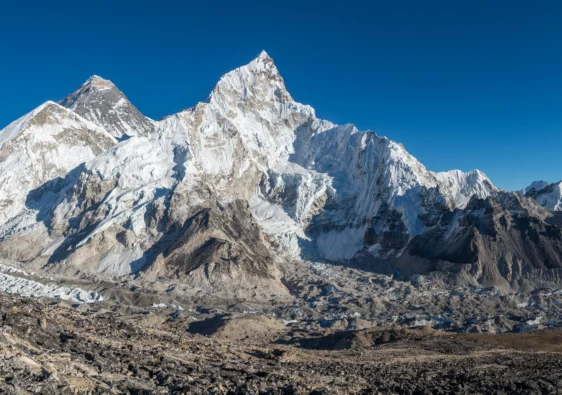
For solo pedestrians in Nepal, the Everest Base Camp( EBC) journey is frequently considered the ultimate adventure. Starting from Lukla, the trail passes through fascinating townlets like Namche Bazaar, Tengboche, and Dingboche, allowing gradational adaptation as you gain altitude.
Touring alone then offers inflexibility you can take breaks whenever you want, spend further time at cloisters, or simply enjoy the decor at your own pace. The route is well- marked and filled with teahouses, making it fairly safe for independent pedestrians.
The journey offers stunning views of peaks like Mount Everest, Lhotse, and Ama Dablam. numerous solo trippers find the trip not only scenic but also deeply peaceful and satisfying. While it is n’t technically delicate, proper adaptation is essential. Indeed though independent trekking is possible, numerous still choose to hire a companion or gatekeeper for redundant safety.
Everest Base Camp Trek – 15 Days Itinerary
| Day | Destination | Activity Description |
|---|---|---|
| Day 1 | Kathmandu | Arrive in Kathmandu, meet your team, and prepare permits and trekking gear. |
| Day 2 | Lukla → Phakding | Take a scenic flight to Lukla, then enjoy a short and easy trek to Phakding. |
| Day 3 | Namche Bazaar | Trek through forests and cross suspension bridges to reach the lively Namche Bazaar. |
| Day 4 | Namche Bazaar | Acclimatization day with short hikes and time to explore the local area. |
| Day 5 | Tengboche | Trek to Tengboche and visit its famous monastery with stunning mountain views. |
| Day 6 | Dingboche | Continue trekking through beautiful landscapes to reach Dingboche village. |
| Day 7 | Dingboche | Another acclimatization day with short hikes to adjust to higher altitude. |
| Day 8 | Lobuche | Gradually climb higher while enjoying incredible Himalayan scenery. |
| Day 9 | EBC → Gorakshep | Trek to Everest Base Camp, then return to Gorakshep for the night. |
| Day 10 | Kala Patthar → Pheriche | Early morning hike for sunrise views, then descend to Pheriche. |
| Day 11 | Namche Bazaar | Retrace your steps and descend back to Namche Bazaar. |
| Day 12 | Lukla | Continue descending and complete your trek at Lukla. |
| Day 13 | Kathmandu | Fly back to Kathmandu and relax after the trek. |
| Day 14 | Kathmandu | Free day for rest, shopping, or sightseeing (also a buffer day). |
| Day 15 | Departure | Transfer to the airport for your final departure. |
Annapurna Base Camp & Annapurna Circuit Trek

Annapurna region is ideal for solo pedestrians looking for both natural beauty and artistic gests . The Annapurna Base Camp journey features terraced fields, lush timbers, and emotional mountain views. The Annapurna Circuit, on the other hand, is longer and more grueling , offering different geographies and panoramic views of Annapurna I, Dhaulagiri, and Machapuchare.
Solo pedestrians can move at their own pace, take time to explore original townlets, and interact with Gurung and Magar communities. With well- established trails, plenitude of teahouses, and easy access from Pokhara, independent touring becomes more accessible and pleasurable.
Annapurna Base Camp Trek Itinerary (7–8 Days)
The Annapurna Base Camp (ABC) Trek is a short and scenic trek that takes you deep into the heart of the Annapurna Himalayas.
| Day | Route | Experience |
|---|---|---|
| Day 1 | Kathmandu to Pokhara | Travel to the beautiful lakeside city and prepare for the trek |
| Day 2 | Pokhara to Ghandruk | Begin trekking through traditional villages and terraced fields |
| Day 3 | Ghandruk to Chhomrong | Walk through forests with amazing mountain views |
| Day 4 | Chhomrong to Dovan/Himalaya | Enter deeper into peaceful Himalayan trails |
| Day 5 | Himalaya to Annapurna Base Camp | Reach ABC and enjoy breathtaking 360° mountain views |
| Day 6 | ABC to Bamboo | Start descending through scenic landscapes |
| Day 7–8 | Bamboo to Pokhara | Complete the trek and relax in Pokhara |
Annapurna Circuit Trek Itinerary (15–16 Days)
The Annapurna Circuit Trek is one of the most diverse trekking routes in Nepal, offering landscapes from lush forests to high mountain deserts.
| Day | Route | Experience |
|---|---|---|
| Day 1 | Kathmandu to Besisahar | Drive to the starting point of the trek |
| Day 2–4 | Besisahar to Chame | Trek through rivers, forests, and villages |
| Day 5–7 | Chame to Manang | Gradual ascent with stunning Himalayan views |
| Day 8 | Manang | Acclimatization and short exploration hikes |
| Day 9–10 | Manang to Thorong Phedi | Move closer to the high mountain pass |
| Day 11 | Thorong La Pass to Muktinath | Cross Thorong La Pass (5,416m) – the highest point of the trek |
| Day 12–14 | Muktinath to Jomsom to Pokhara | Descend through the Mustang region |
| Day 15–16 | Pokhara to Kathmandu | Return journey and end of trek |
Langtang Valley Trek

For those looking for a relatively grueling journey close to Kathmandu, Langtang Valley is a great choice. It offers beautiful alpine decor , glacial gutters, and wildlife within Langtang National Park.
Although the region was affected by the 2015 earthquake, it has recovered well, and touring structure has been rebuilt. Solo pedestrians frequently appreciate the peaceful terrain while exploring Tamang townlets, visiting cloisters, and passing original traditions. With manageable altitude and flexible trekking days, it’s both a safe and satisfying option.
Langtang Valley Trek – Short Itinerary (5–7 Days)
The Langtang Valley Trek is a beautiful and relatively short trek near Kathmandu, perfect for those looking for stunning mountain views, Tamang culture, and peaceful trails.
| Day | Route | Experience |
|---|---|---|
| Day 1 | Kathmandu → Syabrubesi | Drive from Kathmandu to the starting point of the trek |
| Day 2 | Syabrubesi → Lama Hotel | Trek through forests, rivers, and small villages |
| Day 3 | Lama Hotel → Langtang Village | Walk deeper into Langtang Valley with mountain views |
| Day 4 | Langtang Village → Kyanjin Gompa | Reach the main highlight village surrounded by peaks |
| Day 5 | Kyanjin Gompa (Exploration Day) | Hike to viewpoints like Kyanjin Ri or Tserko Ri |
| Day 6 | Return to Lama Hotel | Begin descending back through the valley |
| Day 7 | Lama Hotel → Syabrubesi → Kathmandu | Trek down and drive back to Kathmandu |
Helambu & Shivapuri Hills

For newcomers, the Helambu Circuit and Shivapuri Hills give shorter and easier touring options near Kathmandu. These journeys generally last between three to five days and are perfect for gaining confidence in solo trekking.
Helambu offers a calm atmosphere with terraced spreads and Buddhist cloisters, while Shivapuri Hills, part of Shivapuri National Park, give beautiful views of the Kathmandu Valley. The trails are well- marked, accommodation is fluently available, and permit conditions are minimum.
Shivapuri Hills Trek – Short Itinerary (2–3 Days)
| Day | Route | Experience |
|---|---|---|
| Day 1 | Kathmandu → Shivapuri National Park → Nagi Gumba | Easy hike through forest trails and monastery visit |
| Day 2 | Shivapuri Peak Exploration | Hike to Shivapuri Peak for panoramic views of Kathmandu Valley |
| Day 3 | Return to Kathmandu | Descend and return to the city |
Helambu Trek – Short Itinerary (4–5 Days)
| Day | Route | Experience |
|---|---|---|
| Day 1 | Kathmandu → Sundarijal → Chisapani | Short drive and trek through Shivapuri National Park forest |
| Day 2 | Chisapani → Kutumsang | Walk through hills, villages, and beautiful landscapes |
| Day 3 | Kutumsang → Tharepati | Trek through rhododendron forests and ridges |
| Day 4 | Tharepati → Tarkeghyang | Explore traditional Sherpa and Tamang villages |
| Day 5 | Tarkeghyang → Melamchi → Kathmandu | Descend and drive back to Kathmandu |
Manaslu Circuit & Tsum Valley

For educated pedestrians seeking solitariness, the Manaslu Circuit and Tsum Valley are excellent choices. These regions are remote, less crowded, and rich in Tibetan culture.
Pedestrians can enjoy untouched geographies, cross high passes like Larke La( 5,160 m), and visit ancient cloisters. still, these are confined areas, so single trekking requires permits and generally a certified companion. Despite this, they offer a unique blend of adventure, culture, and tranquility.
Manaslu Circuit Trek – Short Itinerary (14–16 Days)
| Day | Route | Experience |
|---|---|---|
| Day 1 | Kathmandu → Soti Khola | Drive from Kathmandu to the trek starting point |
| Day 2 | Soti Khola → Machha Khola | Trek through riverside trails and small villages |
| Day 3 | Machha Khola → Jagat | Enter restricted region with scenic landscapes |
| Day 4–5 | Jagat → Deng | Gradual climb through forests and waterfalls |
| Day 6–7 | Deng → Namrung | Experience Tibetan-influenced villages |
| Day 8–9 | Namrung → Samagaon | Reach beautiful village with Manaslu views |
| Day 10 | Acclimatization Day (Samagaon) | Rest and short hikes for altitude adjustment |
| Day 11 | Samagaon → Samdo | Short trek closer to high altitude region |
| Day 12 | Samdo → Dharamsala | Approach the base of the pass |
| Day 13 | Cross Larke La Pass → Bimthang | Cross the highest point (5,160m) |
| Day 14–15 | Bimthang → Dharapani | Descend through forests and villages |
| Day 16 | Dharapani → Kathmandu | Drive back to Kathmandu |
Tsum Valley Trek (12–14 Days)
| Day | Route | Experience |
|---|---|---|
| Day 1–5 | Entry to Tsum Valley | Remote trails |
| Day 6–9 | Mu Gompa | Spiritual experience |
| Day 10–14 | Return | Exit valley |
Safety Tips for Solo Pedestrians in Nepal
Solo touring is instigative, but safety should always come first. Keeping a many important points in mind can make your trip smoother and further pleasurable.
Plan your route precisely grounded on your fitness position and experience. Indeed if you prefer touring alone, hiring a original companion can ameliorate both safety and understanding of the region. Staying connected is important carry a mobile phone with a original SIM card or a satellite phone in remote areas.
Trip insurance is essential, especially one that covers medical extremities and evacuation. Also, pack wisely carry proper apparel, a first- aid tackle, enough food, and water to handle changing conditions.
Essential Tips for Solo Trekking
Make sure you gain the necessary permits depending on your trekking region. Choose a journey that matches your capability position and avoid confined areas unless you plan to hire a companion.
Pack smart by carrying navigation tools, proper gear, and enough cash, as ATMs are infrequently available in remote locales. Always adapt duly to avoid altitude sickness, check rainfall conditions, and stay in teahouses, which give both food and accommodation along the routes.
Budget Planning
Nepal is known as an affordable trekking destination, but it’s important to understand that costs gradually increase as you go higher in altitude. Basic services such as food, accommodation, and even charging your devices become more expensive in remote mountain areas.
It’s always a good idea to carry enough cash with you, since card payment options are rarely available along trekking routes. You should also be prepared to spend a little extra on small facilities like hot showers, Wi-Fi, and charging services, which are usually charged separately.
Best Time to Travel
Nepal has four distinct trekking seasons, and each season offers a unique trekking experience.
- Spring (March–May): One of the most favorable times for trekking, with mild weather, clear skies, and blooming rhododendron forests.
- Monsoon (June–August): Characterized by heavy rainfall, slippery trails, and difficult trekking conditions, so it is generally avoided.
- Autumn (September–November): The most popular trekking season, offering stable weather, crystal-clear skies, and stunning mountain views.
- Winter (December–February): Extremely cold, especially at higher altitudes, with snowfall that can block or limit access to some trekking routes.
Tips While Traveling Solo in Nepal
Before starting your journey, make sure you have proper travel insurance. Staying hydrated is very important, so drink plenty of water and carry snacks to keep your energy levels up during the trek. Always be aware of symptoms of altitude sickness and never ignore them.
Dress modestly, especially in rural areas where local communities follow traditional values. Try to reach your destination before sunset, as trekking after dark can be risky. It’s also important to keep someone informed about your travel plans and daily progress.
Respect local culture by asking permission before taking photos of people or religious places. Carry a small first-aid kit along with any personal medications you may need during the trek.
Costs
- The cost of hiring a guide is usually around $30–$40 per day, while a porter costs about $20–$25 per day.
- A one-way flight to Lukla typically costs around $150.
- Trekking permits are generally around $45 in total.
- Daily food expenses range from $8 to $23, depending on the region and food choices.
- Accommodation costs can vary from free in some places to about $8 per night.
- Overall, a 21-day trek in Nepal can cost between $484 and $2256, depending on your travel style, comfort level, and services used.
Is Solo Trekking Safe in Nepal?
Solo trekking in Nepal is generally safe, but it does come with certain risks. When trekking alone, you are responsible for handling unexpected situations such as injuries, altitude sickness, or sudden weather changes.
In remote regions, access to medical facilities or rescue services can be limited. Navigation can also become challenging, especially in poor weather or low visibility, which increases the risk of getting lost.
However, these risks can be reduced with proper preparation. Choosing popular and well-marked routes, planning your itinerary carefully, and keeping others informed about your journey can make a big difference. With the right mindset and preparation, solo trekking in Nepal can be a safe, rewarding, and unforgettable experience.
FAQs
Yes, solo trekking is permitted in many parts of Nepal. However, certain restricted regions require a licensed guide, and some trekking areas have mandatory guide rules for safety and permit regulations.
The most suitable seasons arespring (March–May) and autumn (September–November). These periods offer clear skies, stable weather conditions, and the best mountain views.
It depends on the trekking route. Popular trails like Everest, Annapurna, and Langtang can often be done independently, while restricted regions such as Manaslu and Tsum Valley require a licensed guide.
Trekking difficulty varies widely. Short treks like Shivapuri and Helambu are easy, while Everest Base Camp and Annapurna Circuit are moderate to challenging due to high altitude and long walking hours.
On average, trekking in Nepal costs between $20 to $120 per day, depending on the route, accommodation, food, and whether you hire a guide or porter. A complete trek may cost around $500 to $2500+.
Yes, altitude sickness can affect trekkers above 3,000 meters. To prevent it, proper acclimatization, slow ascent, staying hydrated, and taking rest days are very important.
Common trekking permits include:
TIMS Card (in some regions)
National Park or Conservation Area Permits (such as ACAP, Sagarmatha, Langtang)
Special permits for restricted areas like Manaslu and Tsum Valley
Yes, beginners can easily enjoy treks like Poon Hill, Langtang Valley, and Helambu, which are shorter, easier, and less physically demanding.
Yes, Nepal is generally safe for solo female trekkers, especially on popular trekking routes. However, careful planning, awareness, and following basic safety guidelines are always recommended.
Essential items include:
Warm layered clothing
Comfortable trekking boots
Rain jacket
First aid kit
Water bottle or purifier
Snacks and energy bars
Sufficient cash for remote areas