aashma aaryal
Introduction
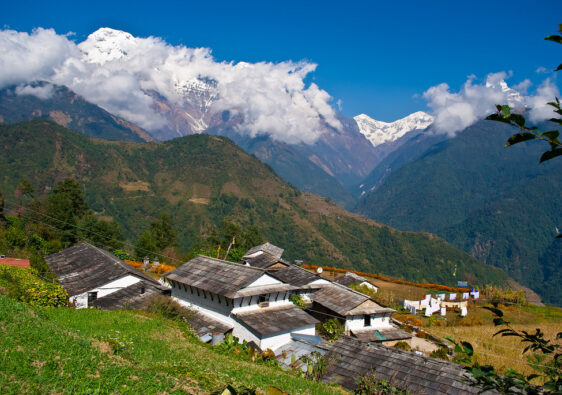
Annapurna Circuit Trek one of Nepal’s most cherished trekking routes, and it’s easy to understand why it provides a wide variety of experiences. One day you’re walking through dense forests, the next you’re on alpine meadows, and eventually you find yourself climbing over a high mountain pass with views that feel almost unreal.
As you journey, you’ll pass through villages inhabited by different ethnic communities, each with their own traditions and way of life. And the mountain views are nothing short of amazing Annapurna, Dhaulagiri, Machhapuchhre, Manaslu, Gangapurna, and Tilicho Peak are all visible at some point during the trek.
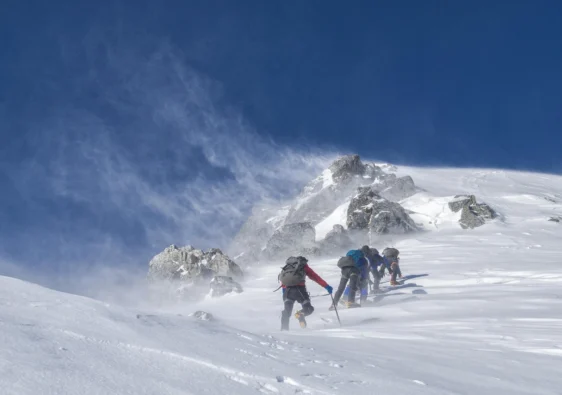
For many trekkers, the highlight is crossing Thorong La Pass, which sits at a high altitude of 5,416 meters one of the highest trekking passes in the world. Reaching the summit is a real achievement.From there, the trail continues through the Manang and Mustang valleys, where you can explore centuries-old monasteries, experience Tibetan-influenced culture, and visit Muktinath, a temple sacred to both Hindus and Buddhists.The landscape also changes lush green hills and waterfalls gradually give way to the dry, almost desert-like terrain found in the Himalayan rain shadow.
Whether it’s your first big trek in the mountains or you’ve done a few before, the Annapurna Circuit offers something special incredible scenery, real cultural immersion, and a true physical challenge. In this guide, we’ll take you through everything the route, a day-by-day plan, how difficult it actually is, the best time to go, the permits you’ll need, where to stay, how to get there, some helpful tips, and answers to the most frequently asked questions so you can plan a trip that’s both safe and truly memorable.
Annapurna Circuit Trek Highlights
- Start your adventure with a scenic drive from Kathmandu to Dharapani, enjoying the views along the way.
- Trek alongside the beautiful Marshyangdi River.
- Learn about the Gurung, Magar, and Thakali communities, known for their rich traditions and warm hospitality.
- Enjoy incredible Himalayan views, with peaks like Annapurna, Dhaulagiri, Manaslu, and Machhapuchhre dominating the skyline.
- Travel through dense forests, open alpine meadows, and peaceful mountain villages along the route.
- Reach Thorong La Pass at 5,416 meters, one of the highest trekking passes in the world.
- Stop at Muktinath Temple, a sacred site for both Hindus and Buddhists.
- Explore the charming villages of Jomsom, Marpha, and Tukuche, well-known for their apple farms.
- Cross the Kali Gandaki Gorge, recognized as one of the deepest gorges in the world.
- Relax your tired muscles in the natural hot springs of Tatopani.
- End your trek with a sunrise hike up Poon Hill, offering one of the best panoramic mountain views of the entire journey.
Why Choose the Annapurna Circuit Trek?
The Annapurna Circuit Trek is one of Nepal’s most popular adventure experiences, offering a perfect mix of breathtaking landscapes, rich culture, and unforgettable mountain views.The trail takes you through lush forests, terraced farms, traditional villages, high mountain passes, and the unique desert-like landscapes of the Mustang region.Along the way, you’ll enjoy stunning views of iconic Himalayan peaks, including Annapurna I, Dhaulagiri, Machhapuchhre, and Manaslu.
Unlike many other trekking trails, the Annapurna Circuit allows you to experience Nepal’s remarkable geographical and cultural diversity in a single journey. You’ll pass through friendly villages, meet the local Gurung, Thakali, and Tibetan-influenced communities, visit ancient monasteries and temples, and cross the famous Thorong La Pass (5,416 m) one of the highest trekking passes on the planet. This unique combination of adventure, culture, and stunning scenery makes the Annapurna Circuit Trek a truly unforgettable Himalayan adventure.
Annapurna Circuit Trek Route Overview
| Feature | Details |
|---|---|
| Trek Duration | 12–18 Days |
| Maximum Elevation | Thorong La Pass (5,416 m / 17,769 ft) |
| Difficulty | Moderate to Challenging |
| Total Distance | Approximately 160–230 km |
| Best Seasons | Spring (March–May) & Autumn (September–November) |
| Accommodation | Tea Houses |
| Starting Point | Besisahar or Dharapani |
| Ending Point | Jomsom or Nayapul |
| Major Highlights | Thorong La Pass, Tilicho Lake, Muktinath Temple, Manang, Mustang |
Annapurna Circuit Trek Difficulty
The Annapurna Circuit Trek is considered a moderate to challenging trek. It doesn’t require technical climbing skills or specialized mountaineering equipment, but it does demand good physical fitness and stamina.Trekkers will spend several days walking on rocky trails, climbing steep paths, and trekking at high altitudes, where the air is thinner.
One of the significant challenges is crossing Thorong La Pass (5,416 m), where the high elevation and long walking hours can be demanding physically. With proper preparation, a steady pace, and enough time to acclimatize, most healthy and determined trekkers can successfully complete this unforgettable Himalayan journey.
Annapurna Circuit Trek Permits
Before starting the Annapurna Circuit Trek, you’ll need two essential permits: a TIMS (Trekkers’ Information Management System) card and an Annapurna Conservation Area Permit (ACAP). You can easily get both permits in Kathmandu before your trek begins or purchase them at the entrance to the Annapurna Conservation Area. However, buying them at the entry point may cost a little more, so many trekkers prefer to arrange them in advance to save time and money.
Altitude Sickness
Since this trek climbs above 5,400 meters, altitude sickness is one of the most important things to plan for.
Watch for these symptoms:
- Headache
- Unusual fatigue
- Nausea
- Loss of appetite
- Dizziness
- Trouble sleeping
How to prevent it:
- Walk at a slow, steady pace — don’t rush the climb
- Drink plenty of water throughout the day
- Avoid alcohol, as it can hide symptoms and worsen dehydration
- Stick to a proper acclimatization schedule (rest days as you gain altitude)
- Never ignore symptoms, even mild ones
- Descend immediately if symptoms get worse
Where Is the Annapurna Circuit?
The Annapurna Circuit is one of Nepal’s most famous trekking routes, located in the central part of the country. It circles the breathtaking Annapurna mountain range, close to the border with Tibet. This spectacular region is home to several towering Himalayan peaks, including Annapurna I, which rises to 8,091 meters (26,545 feet) and is the 10th-highest mountain in the world.
The trek usually begins after traveling from Kathmandu to the starting point by road, while Pokhara serves as the nearest major city and a popular gateway for trekkers. Surrounded by snow-capped mountains, deep valleys, rivers, and traditional villages, the Annapurna Circuit offers an unforgettable journey through some of Nepal’s most stunning landscapes.
Best Time to Trek the Annapurna Circuit
The best time to trek the Annapurna Circuit is during autumn (September to November) and spring (March to May). Autumn brings clear skies, pleasant weather, and stunning mountain views, making it the most popular trekking season.Spring is also very beautiful, with warm temperatures and blooming rhododendron forests.
Winter (December to February) brings heavy snowfall, which can make high mountain passes difficult or even impossible to cross. During the monsoon season (June to August), frequent rainfall, muddy trails, and the risk of landslides can make trekking more challenging. For the best experience, try to plan your trek during the autumn or spring months.
Annapurna Circuit Trek Cost
The total cost depends on the itinerary, group size, transportation, guide services, accommodation, and included meals. Budget travelers may spend less by trekking independently where regulations allow, while guided packages typically include permits, transportation, accommodation, meals, and professional support.
Annapurna Circuit Trek Packing List
Packing the right gear is essential for a safe and comfortable Annapurna Circuit Trek. The weather and temperature can change quickly, so it’s best to pack lightweight clothing that can be layered as you gain altitude. Here’s a list of essential items to pack.
General Gear
- Warm down jacket
- Four-season sleeping bag
- 35–45L daypack with rain cover
- Sleeping bag liner
Clothing
Upper Body
- Sun hat or cap
- Warm beanie
- Scarf or neck gaiter
- Sunglasses
- Headlamp
- Moisture-wicking base layer
- Short and long-sleeve trekking shirts
- Fleece jacket
- Waterproof and windproof jacket
Lower Body
- Thermal base layer
- Hiking pants (2 pairs)
- Comfortable pants for evenings
- Waterproof overpants
- Hiking shorts
Hand Protection
- Lightweight inner gloves
- Insulated water
Footwear
- Waterproof trekking boots
- Warm hiking socks
- Casual shoes or sandals
- Gaiters (optional)
- Microspikes (recommended during snowy conditions)
Personal Items
- Quick-dry underwear
- Sleepwear
First Aid & Health
- Personal medications
- Sunscreen
- Lip balm
- Basic first aid supplies
- Antiseptic ointment
Essential Items
- Passport and passport-size photos
- Reusable water bottle or hydration bladder
- Water purification tablets or filter
- Toiletries
- Towel
- Toilet paper
- High-energy snacks
- Dry bags for valuables
- Trekking poles
- Earplugs
Optional Items
- Power bank
- Camera or smartphone
- Thermos for hot drinks
- Book or playing cards
- Comb
- Whistle
Packing Tip: Pack light but don’t forget essential warm clothing. Layering your clothes is the best way to stay comfortable, as temperatures can vary greatly from the lower valleys to the high mountain passes.
Annapurna Circuit Trek: Accommodation and Food
- The Annapurna Circuit follows a well-established tea house route, so you’ll have comfortable places to stay and freshly cooked meals throughout the trek
- Popular meal options include:
- Dal Bhat
- Fried rice
- Noodles
- Pasta
- Soup
- Pancakes
- Eggs
- Tea and coffee
- Most tea houses also offer:
- Charging facilities for your devices
- Wi-Fi (usually for an extra fee)
- Hot showers in many of the villages along the way
Annapurna Circuit Trek Itinerary
| Day | Itinerary | Altitude | Distance / Duration |
|---|---|---|---|
| Day 1 | Arrival in Kathmandu | 1,400 m (4,600 ft) | — |
| Day 2 | Drive from Kathmandu to Besisahar, then continue by jeep to Dharapani | 1,860 m (6,100 ft) | 200 km • 10–11 hrs (Drive) |
| Day 3 | Trek from Dharapani to Chame | 2,650 m (8,600 ft) | 18 km • 8–9 hrs |
| Day 4 | Trek from Chame to Pisang | 3,300 m (10,900 ft) | 15 km • 7–8 hrs |
| Day 5 | Trek from Pisang to Manang | 3,520 m (11,500 ft) | 21–22 km • 10–11 hrs |
| Day 6 | Acclimatization day in Manang. Explore Gangapurna Glacier and Gangapurna Lake while allowing your body to adjust to the higher altitude. Overnight stay at a tea house in Manang. | 3,520 m (11,500 ft) | Rest Day |
| Day 7 | Trek from Manang to Sirikharka | 4,060 m (13,300 ft) | 10 km • 5–6 hrs |
| Day 8 | Trek from Sirikharka to Tilicho Base Camp | 4,150 m (13,600 ft) | 8 km • 5–6 hrs |
| Day 9 | Hike to Tilicho Lake and return to Sirikharka | Tilicho Lake: 4,900 m (16,100 ft)Sirikharka: 4,060 m (13,300 ft) | 24 km • 10–11 hrs |
| Day 10 | Trek from Sirikharka to Yak Kharka | 4,100 m (13,400 ft) | 12 km • 7–8 hrs |
| Day 11 | Trek from Yak Kharka to Thorong Phedi or High Camp | 4,500 m (14,900 ft) | 8 km • 5–6 hrs |
| Day 12 | Cross Thorong La Pass and trek to Muktinath | Thorong La Pass: 5,416 m (17,750 ft)Muktinath: 3,800 m (12,500 ft) | 20 km • 10–11 hrs |
| Day 13 | Trek from Muktinath to Jomsom via Lubra Village | 2,770 m (9,100 ft) | 21 km • 10–11 hrs |
| Day 14 | Fly from Jomsom to Pokhara, then take a connecting flight to Kathmandu. Transfer to your hotel and enjoy the rest of the day at leisure or explore the city. | Kathmandu: 1,400 m (4,600 ft) | Flight |
| Day 15 | Departure from Kathmandu. Airport transfer according to your flight schedule. | — | — |
Note
- Keep 1–2 buffer days in your travel plan in case of weather delays or unforeseen circumstances.
- If the buffer days are not needed, you can use them to explore Kathmandu before your departure.
Essential Trekking Tips
- It is important to train ahead of time before beginning your trek.
- Make sure to get comprehensive travel insurance to cover any unexpected situations.
- Hiring a licensed guide is recommended for your safety and to gain insight into local culture and terrain.
- Carry sufficient cash as ATMs are not widely available along the trekking routes.
- Stay well hydrated during your trek as water sources may be limited.
- Respect the local customs and traditions of the communities you will encounter.
- Pack light but ensure you have warm clothing, as temperatures can drop significantly at higher altitudes.
- Allow for additional days in your itinerary to account for any weather-related delays.
Frequently Asked Questions (FAQs)
1.How difficult is the Annapurna Circuit Trek?
This trek is considered moderate to challenging and is best suited for individuals who are in good physical condition and have prepared adequately for the journey.
2.How long does the Annapurna Circuit Trek take?
Most trekking itineraries for the Annapurna Circuit range from 14 to 18 days, depending on the specific route chosen and the acclimatization schedule included.
3.What is the highest point of the trek?
The highest point of the trek is Thorong La Pass, which reaches an elevation of 5,416 meters (17,769 feet).
4.When is the best time to do the Annapurna Circuit Trek?
The ideal time to undertake this trek is during the spring season, from March to May, or the autumn season, from September to November, when the weather is most favourable and the mountain views are at their best.
5.Do I need a guide?
Some current trekking regulations in Nepal may require the use of a licensed guide for certain routes.
It is essential to check the latest requirements before finalizing your trek plans.
Conclusion
The Annapurna Circuit Trek is one of Nepal’s most rewarding trekking adventures, combining dramatic Himalayan landscapes, rich cultural heritage, and the thrill of crossing the legendary Thorong La Pass. From lush forests and traditional mountain villages to high-altitude deserts and sacred temples, every day on the trail offers a new and unforgettable experience. Whether you seek breathtaking mountain views, cultural encounters, or a challenging trekking adventure, the Annapurna Circuit Trek remains a bucket-list destination for travelers from around the world.