Lami
Lami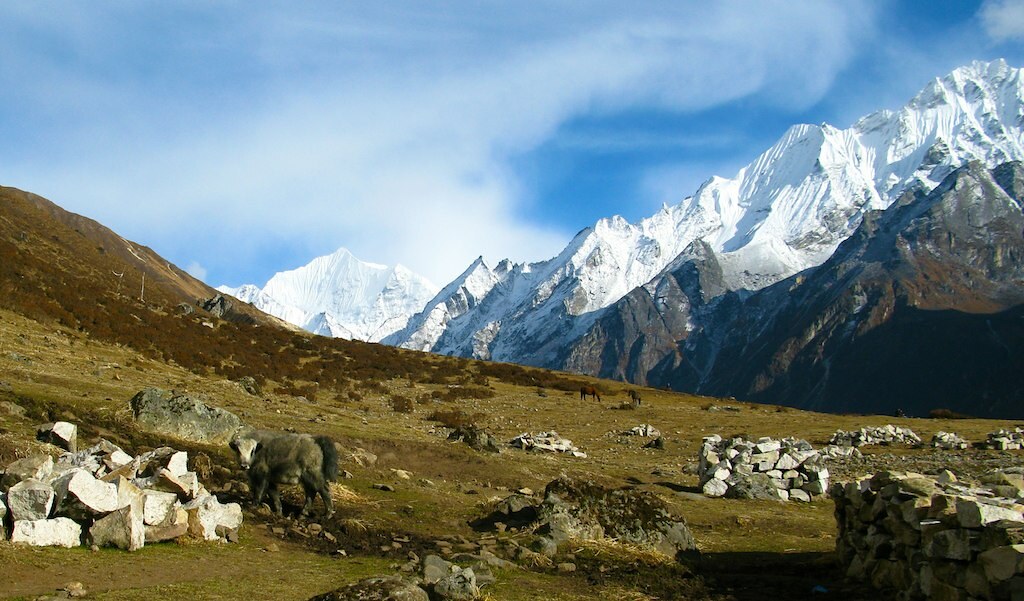
Trekking the Langtang Valley without a guide is one of the most realistic and rewarding independent trekking experiences in Nepal. For travelers who want Himalayan views, rich local culture, and a quieter trail, without the high costs or heavy crowds of Everest and Annapurna, Langtang is often the perfect choice.
Located just north of Kathmandu, near the Tibetan border, the Langtang Valley Trek combines dramatic mountain scenery, traditional Tamang villages, Buddhist heritage, and accessible trekking infrastructure. Thanks to its well-marked trails and established teahouse network, many trekkers successfully complete this trek independently every year.
But is trekking Langtang Valley without a guide allowed, safe, and practical? This complete guide answers that question and covers everything independent trekkers need to know before hitting the trail.
Is Trekking Langtang Valley Without a Guide Allowed?
Yes, trekking Langtang Valley without a guide is currently allowed.
While Nepal introduced a guide requirement for some trekking regions in recent years, Langtang Valley remains one of the areas where independent trekking is still permitted. Solo trekkers and independent hikers can legally trek Langtang as long as they obtain the required permits.
That said, regulations can change, so it’s always wise to double-check permit rules in Kathmandu before starting your trek.
Required Permits for Independent Trekkers
Even without a guide, permits are mandatory. You’ll need:
1. Langtang National Park Entry Permit
- Cost: NPR 3,000 (approx. USD 25–30)
- Available in Kathmandu or at the park entrance in Dhunche
2. TIMS Card (Trekkers’ Information Management System)
- Cost: NPR 2,000 for independent trekkers
- Issued by the Nepal Tourism Board in Kathmandu
These permits help authorities track trekkers for safety and conservation purposes.
Why Langtang Is Ideal for Independent Trekking
Langtang Valley is especially suitable for trekking without a guide for several reasons:
- Clearly marked trails with minimal route-finding issues
- Frequent villages and teahouses, so you’re rarely isolated
- Shorter itinerary compared to other major treks
- Close to Kathmandu, making logistics easier
- Strong mobile network coverage in many villages
For trekkers with basic mountain experience and common sense, Langtang is one of Nepal’s most beginner-friendly independent treks.
Langtang Valley Trek Route Overview
Most independent trekkers follow this classic route:
- Day 1: Drive from Kathmandu to Syabrubesi
- Day 2: Trek to Lama Hotel
- Day 3: Trek to Langtang Village
- Day 4: Trek to Kyanjin Gompa
- Day 5: Acclimatization & hikes (Kyanjin Ri or Tserko Ri)
- Day 6–7: Trek back to Syabrubesi and return to Kathmandu
The trail gradually ascends along the Langtang River, passing forests, waterfalls, and villages rebuilt after the 2015 earthquake.
Best Time to Trek Langtang Valley Independently
The best seasons are:
Spring (March–May)
- Rhododendron blooms
- Stable weather
- Clear mountain views
Autumn (September–November)
- Best visibility
- Cool temperatures
- Most popular season
Winter trekking is possible but cold, while monsoon trekking brings leeches and landslide risks.
Should You Trek Langtang Valley Without a Guide?
Trekking Langtang Valley without a guide is an excellent option if you:
- Have basic trekking experience
- Are comfortable navigating independently
- Prefer flexibility and budget travel
- Understand altitude risks
However, if it’s your first Himalayan trek, you’re trekking in winter/monsoon, or you want deeper cultural insight, hiring a local guide can still add value.
Final Thoughts
Langtang Valley is one of the best places in Nepal for independent trekking. With proper preparation, permits, and respect for mountain safety, trekking Langtang Valley without a guide can be a deeply rewarding and unforgettable experience.
FAQ
Yes, trekking Langtang Valley without a guide is currently allowed. Independent trekkers can hike the route legally as long as they obtain the required permits, including the Langtang National Park entry permit and a TIMS card.
Langtang Valley trek is considered one of the safer treks in Nepal for solo and independent trekkers. The trail is well-marked, villages are frequent, and teahouses are available throughout the route. However, trekkers should stay alert to altitude sickness and changing weather conditions.
Independent trekkers need two permits: the Langtang National Park entry permit and a TIMS (Trekkers’ Information Management System) card. Both can be obtained in Kathmandu before starting the trek.
The Langtang Valley Trek is a moderate trek. It requires good physical fitness and the ability to walk 5–7 hours per day. No technical climbing skills are needed, but acclimatization is important due to the altitude.
The best times to trek Langtang Valley independently are spring (March to May) and autumn (September to November). These seasons offer stable weather, clear mountain views, and comfortable trekking conditions.