aashma aaryal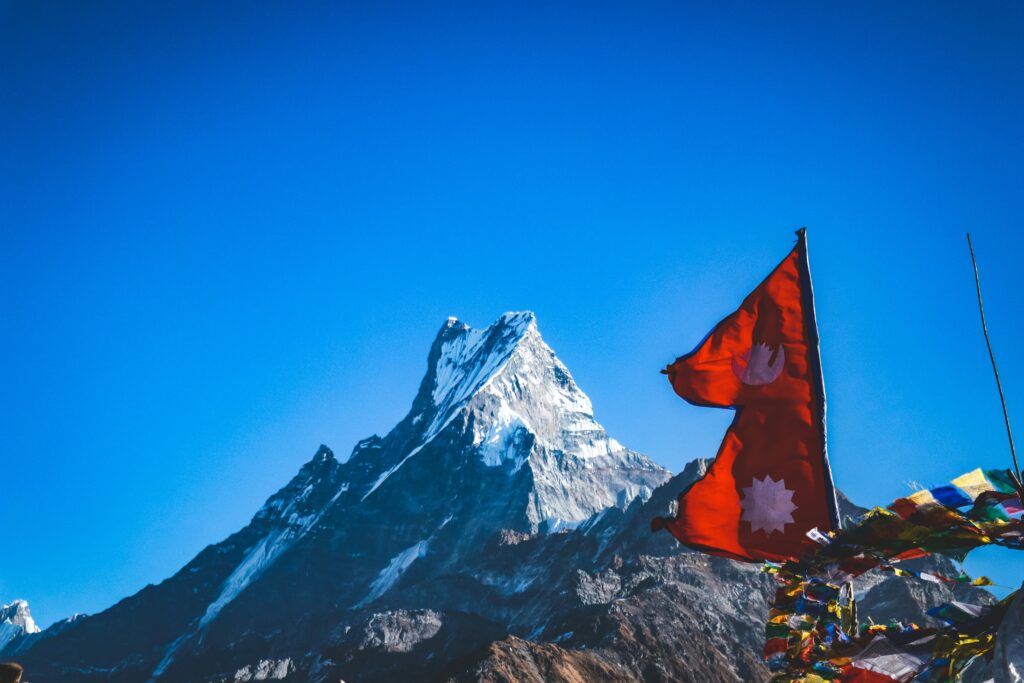
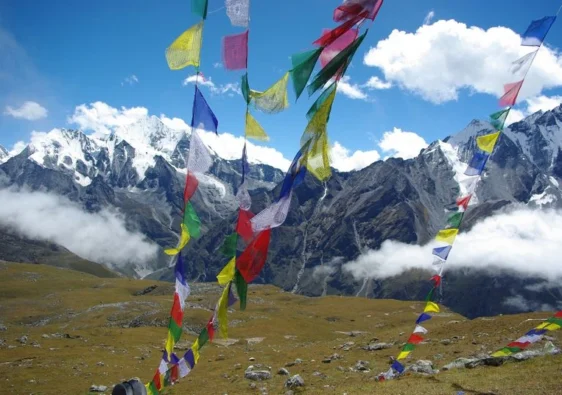
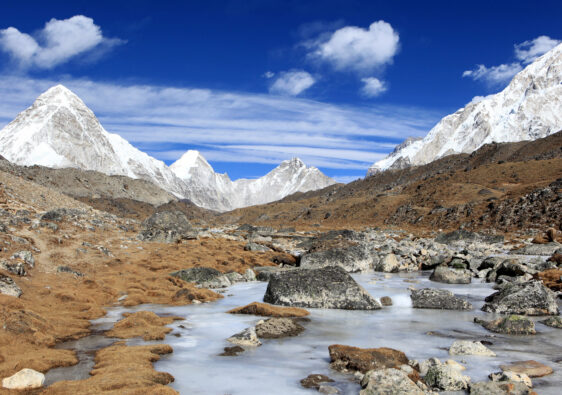
The Mardi Himal Trek is a scenic and short hiking route situated in the Annapurna region of Nepal, drawing both local and international tourists. The trail leads hikers through quiet forests, open grassy hills, traditional villages, and breathtaking mountain views.
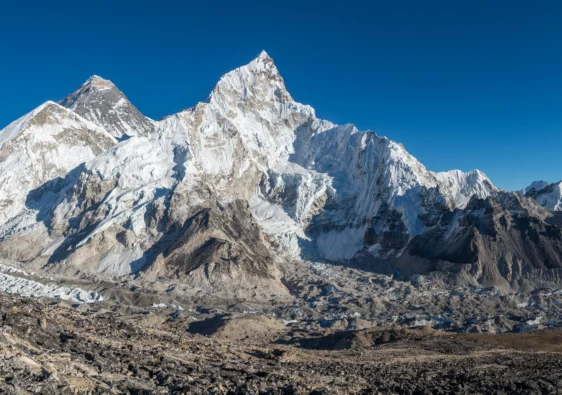
One of the main attractions of this trek is the stunning view of the Mardi Himal, Machhapuchhre (also known as Fishtail), Annapurna South, and Hiunchuli. With its moderate difficulty level and relatively short length, the trek is perfect for those looking for a Himalayan experience without committing to a longer journey.
This route provides a more peaceful experience compared to some of the more popular and crowded trails in the Annapurna region. The mix of natural beauty, panoramic mountain views, and a quiet environment makes it a great choice for first-time trekkers, families, and travelers with limited time.
Mardi Himal Trek Highlights
| Trek Detail | Information |
|---|---|
| Duration | 5 Days |
| Difficulty | Moderate |
| Maximum Altitude | 4,500 m |
| Destination | Nepal |
| Activity | Trekking |
| Accommodation | Hotel / Lodge |
| Group Size | 1+ |
| Transportation | Private / Tourist Vehicle |
| Meals | Breakfast, Lunch & Dinner |
| Best Season | Spring and Autumn |
Trip Overview
If you are looking to experience the beauty of the mountains while trekking in Nepal, the Mardi Himal Trek is a great choice. This trail takes you through quiet forests, green hills, traditional villages, and breathtaking mountain landscapes. You will have stunning views of Mardi Himal, Machhapuchhre (Fishtail), Annapurna South, and other peaks.With its moderate difficulty and well-defined paths, the Mardi Himal Trek is suitable for both beginners and travelers seeking a memorable Himalayan adventure.
Compared to some of Nepal’s more popular trekking routes, the Mardi Himal trail is quieter and less crowded, making it perfect for those who enjoy being surrounded by nature and peaceful settings. The journey passes through lush forests and open alpine areas before reaching higher vantage points with incredible views of the Annapurna range.The combination of natural beauty, mountain views, and serene trails has made the Mardi Himal Trek one of the most popular trekking experiences in Nepal.
Major Peaks Visible During the Mardi Himal Trek
The Mardi Himal Trek offers views of several peaks in the Annapurna region. As you gain altitude, the surrounding mountains become more visible, creating a stunning Himalayan scene.
| Mountain | Elevation |
|---|---|
| Machhapuchhre (Fishtail) | 6,993 m |
| Annapurna I | 8,091 m |
| Annapurna South | 7,219 m |
| Hiunchuli | 6,441 m |
| Mardi Himal | 5,587 m |
| Gangapurna | 7,455 m |
| Tent Peak (Tharpu Chuli) | 5,663 m |
Mardi Himal Trek Itinerary
A typical Mardi Himal Trek usually takes around 5 to 7 days, depending on the starting point, walking speed, and the specific route chosen.
| Day Itinerary | |
|---|---|
| Day 1 | Drive from Pokhara to Kande and trek to Forest Camp |
| Day 2 | Trek from Forest Camp to Low Camp |
| Day 3 | Trek from Low Camp to High Camp |
| Day 4 | Hike to Mardi Himal Base Camp and return to High Camp |
| Day 5 | Trek from High Camp to Siding and drive to Pokhara |
| Day 6 | Extra day or alternative itinerary if required |
The itinerary can be adjusted according to weather conditions, walking speed, and individual preferences.
Best Time for the Mardi Himal Trek
The best time to go on the Mardi Himal Trek is usually during spring (March to May) and autumn (September to November).These seasons provide pleasant weather, clear skies, and better visibility of the mountains.
Spring (March–May): The weather is mild, the skies are clear, and the rhododendron forests are in full bloom, making it a beautiful time for trekking.
Autumn (September–November): The weather is stable, the mountain views are clear, and the temperatures are comfortable, making autumn the most popular trekking season.
Winter (December–February): The temperatures are cold and there may be snow, making the higher areas more challenging, but it is still possible to trek with proper preparation.
Monsoon (June–August): Frequent rains, muddy trails, and cloudy skies can make trekking more difficult and reduce visibility of the mountains.
Mardi Himal Trek Difficulty and Preparation
The Mardi Himal Trek is generally considered a moderate-level trek.Most days involve about 5 to 7 hours of walking, with a mix of uphill and downhill sections.The trail reaches an elevation of approximately 4,500 meters, so it is important to pace yourself and acclimatize properly.
Previous trekking or mountaineering experience is not essential.Beginners who are physically fit can complete the trek with proper preparation.Regular walking, light cardio, and leg-strengthening exercises before the trek can help improve endurance and make the journey more comfortable.
Mardi Himal Trek Altitude
The highest point of the Mardi Himal Trek is Mardi Himal Base Camp, located at around 4,500 meters above sea level. As you go higher, the landscape shifts from dense forests to open alpine areas with amazing mountain views.
Walking at a steady pace, staying hydrated, and following a suitable itinerary can help you adjust to the increasing altitude. Acclimatization is especially important when trekking at higher elevations.
Accommodation and Food
Accommodation along the Mardi Himal Trek is mainly available in simple teahouses and mountain lodges. Most provide basic rooms with beds and shared bathrooms, while facilities become more limited at higher elevations.
Food Available During the Trek
- Dal Bhat
- Momo
- Noodles
- Pasta
- Tibetan Bread
- Pancakes
- Potato Dishes
- Vegetable Curry
- Fried Rice
- Thukpa
- Soup
- Tea
- Coffee
Sustainable Trekking Practices
As the Mardi Himal Trek becomes more popular, it is important to practice responsible trekking to protect its natural beauty and support local communities.
- Use a reusable water bottle instead of single-use plastic bottles.
- Keep the trails clean and take your trash with you.
- Respect local culture, traditions, and communities.
- Choose local teahouses, food, and products whenever possible.
- Stay on marked trails and avoid disturbing plants and wildlife.
These simple practices help keep the Mardi Himal region clean, peaceful, and enjoyable for future trekkers.
What is the Cost of Mardi Himal Trek ?
The Mardi Himal Trek in Nepal usually costs around USD 400–500 per person for a 5–6 day trekking package. The price typically includes essential services such as accommodation, meals, transportation, trekking permits, and guide services, depending on the package.
The cost may vary depending on the group size, trekking route, accommodation, transportation, and additional services.A shorter itinerary can be more affordable than a longer one, while private trips or customized services may increase the overall cost.
For a comfortable and well-organized experience, it is best to choose a package that matches your itinerary and budget. Additional personal expenses, travel insurance, snacks, drinks, and other optional services may need to be paid separately.
Travel Insurance
Having travel insurance is highly recommended for the Mardi Himal Trek, especially because trekking involves changing weather and high-altitude conditions. Choose a policy that provides suitable coverage for the entire journey.
Your insurance should ideally cover:
- High-altitude trekking
- Emergency evacuation
- Medical treatment
- Trip cancellation or interruption
- Lost, stolen, or delayed baggage
Good travel insurance provides extra protection and peace of mind throughout your trek.
Packing List
Packing suitable clothing and essential trekking gear will make your Mardi Himal Trek more comfortable.
Clothing
- 2–3 quick-dry base-layer shirts
- Fleece or warm mid-layer
- Down or insulated jacket
- Waterproof and windproof jacket
- 2 pairs of trekking pants
- Thermal innerwear
- Warm gloves, beanie, and neck buff
- 3–4 pairs of trekking socks
Footwear
- Waterproof trekking boots
- Comfortable camp shoes or sandals
Personal & Hygiene Items
- Sunscreen and SPF lip balm
- Wet wipes and toilet paper
- Water purification tablets
- Basic first-aid kit
- Personal medicines
Trekking Gear
- 35–45L backpack
- Backpack rain cover
- Warm sleeping bag
- Trekking poles
- Water bottles or insulated thermos
Electronics & Other Essentials
- Headlamp with spare batteries
- Power bank
- Sunglasses
- Small amount of Nepali cash
- Energy bars or trail snacks
- Necessary documents and permits
Conclusion
The Mardi Himal Trek is a wonderful choice for travelers seeking a short yet memorable Himalayan adventure. The trail combines peaceful forests, traditional villages, beautiful landscapes, and stunning views of Mardi Himal, Machhapuchhre, and the Annapurna range.
With moderate difficulty and proper preparation, the trek is suitable for both beginners and experienced trekkers. From the lush lower trails to the spectacular mountain viewpoints, Mardi Himal offers a rewarding experience in the heart of the Annapurna region.
Frequently Asked Questions About the Mardi Himal Trek
Where is the Mardi Himal Trek located?
The Mardi Himal Trek is located in the Annapurna region of Nepal. The trail passes through forests, traditional villages, alpine landscapes, and mountain viewpoints with spectacular views of Mardi Himal, Machhapuchhre, Annapurna South, and Hiunchuli.
Where does the Mardi Himal Trek start?
The trek can begin from several points depending on the chosen itinerary. Kande is one of the common starting points, from where trekkers walk toward Forest Camp, Low Camp, and High Camp before continuing toward Mardi Himal Base Camp.
How long do I have to walk each day on the Mardi Himal Trek?
Most trekking days involve approximately 5–7 hours of walking. The exact duration depends on the route, walking speed, weather, trail conditions, and planned stops along the way.
Is the Mardi Himal Trek suitable for first-time trekkers?
Yes, the Mardi Himal Trek can be a good option for first-time trekkers who have a reasonable level of fitness. The route does not require technical climbing skills, but trekkers should be prepared for long walking days, steep sections, and increasing altitude.
What is the highest sleeping point on the Mardi Himal Trek?
Mardi High Camp is one of the highest overnight stops on the route and is located at approximately 3,580 meters above sea level. Trekkers usually spend the night here before making an early-morning hike toward the higher viewpoint or base-camp area.
Is Mardi Himal Base Camp the same as Mardi Himal summit?
No. Mardi Himal Base Camp and the summit of Mardi Himal are different locations. The trekking route reaches the base-camp or viewpoint area at around 4,500 meters, while the actual summit of Mardi Himal is much higher and requires mountaineering skills and specialized equipment.
What is the weather like during the Mardi Himal Trek?
Weather conditions vary considerably with altitude and season. Spring and autumn generally provide the most favorable trekking conditions. Higher areas can be cold, particularly in the early morning and evening, while monsoon can bring rain and cloudy conditions.
Can I see sunrise during the Mardi Himal Trek?
Yes. Mardi High Camp and the higher viewpoints are popular places for experiencing sunrise over the Annapurna and surrounding Himalayan peaks. Early morning conditions are often favorable for mountain views, although visibility depends on the weather.
Is mobile phone service available on the Mardi Himal Trek?
Mobile connectivity may be available in some sections of the trail, but the signal can be weak or unavailable in remote areas. Trekkers should not rely entirely on mobile networks and should inform family or friends about their itinerary before starting the trek.
Is Wi-Fi available during the Mardi Himal Trek?
Some teahouses may offer Wi-Fi, particularly at lower settlements, but connectivity can be limited and less reliable at higher elevations. It is best to prepare for periods without internet access during the trek.
Are ATMs available on the Mardi Himal Trek?
ATMs are generally not available along the remote sections of the Mardi Himal trail. It is advisable to withdraw enough Nepali cash in Pokhara or another major town before starting the trek to cover meals, accommodation, drinks, tips, and other personal expenses.
Do I need a guide for the Mardi Himal Trek?
Whether a guide is required depends on current trekking regulations and the route you choose. Even when independent trekking is permitted, a guide can provide assistance with navigation, accommodation, weather changes, local customs, and unexpected situations.
Can I charge my electronic devices during the trek?
Many teahouses provide charging facilities, although availability can vary by location. Charging may cost extra, especially at higher elevations. Carrying a power bank is recommended so you have a backup source of power.
What should I do if the weather changes during the Mardi Himal Trek?
Mountain weather can change quickly, so check conditions regularly and follow advice from experienced guides or local staff. If visibility becomes poor or conditions become unsafe, avoid taking unnecessary risks and adjust your itinerary if needed.
Can I trek Mardi Himal during winter?
Yes, the trek can be attempted during winter, but higher sections may experience snow, freezing temperatures, and more challenging trail conditions. Trekkers should carry suitable warm clothing and equipment and check current weather and trail conditions before setting out.
How can I trek Mardi Himal responsibly?
Responsible trekking involves carrying reusable water bottles, reducing plastic waste, disposing of rubbish properly, respecting local traditions, staying on established trails, avoiding disturbance to wildlife, and supporting local teahouses and communities whenever possible.