Sabana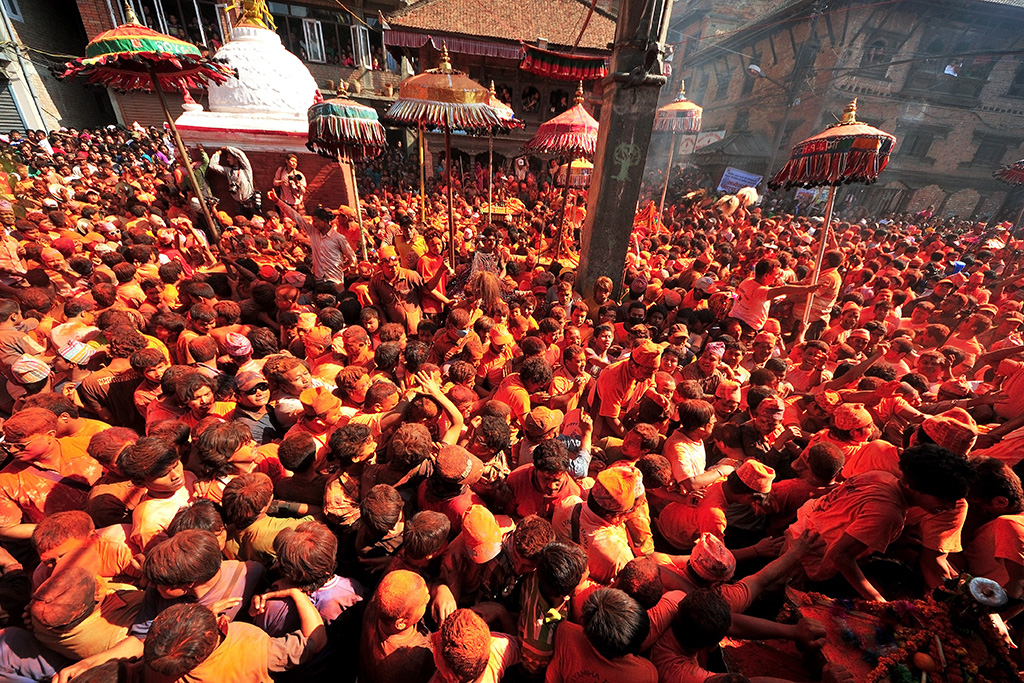
Introduction
Apart from its stunning Himalayan landscapes and rich natural beauty, Nepal is also widely recognized for its vibrant culture and colorful festivals. Despite being a small nation, it is home to a remarkable mix of ethnic groups, each preserving its own traditions, customs, and unique ways of celebrating. Many of Nepal’s festivals have strong religious roots, while others are inspired by age-old myths and stories passed down through generations.
This cultural diversity creates a rich blend of beliefs and practices across Nepalese society. Even so, people come together with great enthusiasm during major celebrations. Festivals like Dashain and Tihar are celebrated throughout the country, while others such as Bisket Jatra and Rato Machhendranath Jatra are deeply connected to the traditions of the Kathmandu City (Valley). In contrast, festivals like Chhath are primarily observed by particular communities, adding to the richness of Nepal’s cultural landscape.
The best way to truly experience this diversity is through Nepal’s many festivals. To gain a deeper understanding of the country’s unique cultural identity, let’s take a closer look at some of its major celebrations.
Importance of Festivals in Nepal
a. Cultural Significance
In Nepal, festivals are far more than just yearly celebrations, they are an essential part of the nation’s cultural identity. These occasions play a key role in preserving age-old traditions and passing them down to future generations. Whether it is Dashain, which represents the victory of good over evil, or Indra Jatra, which honors the god of rain, each festival reflects the deeply rooted beliefs and customs of different communities. Through rituals, music, dance, and traditional cuisine, people continue to celebrate and safeguard their heritage.
b. Religious Unity
Nepal is known for its religious harmony, where Hinduism and Buddhism coexist peacefully. Many festivals beautifully blend elements from both faiths, fostering a strong sense of unity and mutual respect among people. For example, Buddha Jayanti is meaningful to both Hindus and Buddhists. Similarly, Tihar includes the worship of animals and deities that are respected across different religions. These shared traditions help strengthen relationships and promote harmony among diverse communities.
c. Social Gathering
Festivals also serve as an important time for social connection and togetherness. They bring families and communities closer, especially for those who may have been apart due to work or migration. During Dashain, people travel long distances to reunite with loved ones, receive blessings, and celebrate as a family. Public events such as fairs, feasts, and processions further enhance this sense of unity, helping to build strong social bonds within Nepalese society.
Major Festivals of Nepal
Dashain: The Longest and Biggest Festival of Nepal
Dashain is the longest and most significant festival in Nepal, lasting for 15 days during the month of Ashwin (September–October). Dedicated to Goddess Durga, it is celebrated by Nepalese people both within the country and abroad. The festival is a time of family reunions, where elders bless younger members with tika and jamara, and homes are filled with delicious food and joyful celebrations.
Some of the highlights of Dashain include flying colorful kites, playing cards, wearing new clothes, and enjoying traditional bamboo swings. The festival begins with Ghatasthapana, when sacred seeds are planted, and concludes with Kojagrat Purnima. Important days such as Fulpati, Maha Navami, and Vijaya Dashami carry special rituals and meanings, with Vijaya Dashami being the main day for exchanging blessings.
Why Dashain is a great time to travel?
Dashain Festival is also an ideal time to explore Nepal. As schools and offices close, many people return to their hometowns, making cities like Kathmandu quieter and more relaxed. The post-monsoon season brings clear skies and pleasant weather, making it perfect for sightseeing and trekking while enjoying the festive atmosphere.
Teej (August–September)
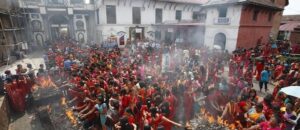
Teej is a special festival celebrated mainly by women during the Nepali month of Bhadra. Lasting for three days, it includes fasting, prayers, and lively dancing. Women dress in beautiful red sarees and visit temples such as Pashupatinath Temple to pray for a happy and prosperous married life.
The festival is inspired by the story of Goddess Parvati and Lord Shiva. According to legend, Parvati’s devotion and determination led her to marry Shiva, encouraging women to observe this festival with faith and dedication.
Tihar Festival
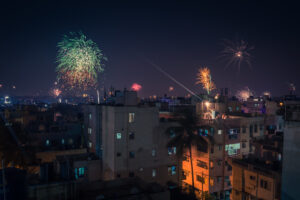
Tihar, also known as the festival of lights, is the second most important festival in Nepal. Celebrated over five days in the month of Kartik (October–November), each day is dedicated to honoring different beings crows, dogs, cows, and Goddess Laxmi.
Homes are beautifully decorated with oil lamps, candles, and colorful rangoli designs. The final day, Bhai Tika, celebrates the special bond between brothers and sisters, where sisters pray for their brothers’ long life and well-being.
Holi: Festival of Colors
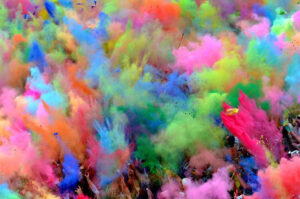
Holi is one of the most lively and joyful festivals in Nepal. Celebrated during the full moon of Falgun (February–March), it marks the arrival of spring and symbolizes the triumph of good over evil.
People gather in streets and open spaces to throw colors, splash water, sing, dance, and share sweets. The celebration is based on the story of Holika and Prahlad, representing faith and righteousness.
Indra Jatra
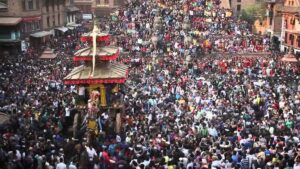
Indra Jatra is one of the most vibrant festivals celebrated in Kathmandu. It honors Indra, the god of rain, along with the living goddess Kumari. The festival features grand chariot processions, traditional masked dances, and lively street celebrations.
It usually takes place in September and lasts for several days, combining devotion, culture, and community spirit.
Gai Jatra
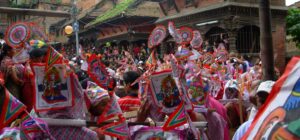
Gai Jatra is a unique festival dedicated to remembering loved ones who have passed away. Celebrated mainly in the Kathmandu Valley, families take part in processions, often incorporating humor, music, and creative costumes.
The festival helps people cope with grief by encouraging laughter and shared remembrance, turning sorrow into a collective experience of healing.
Krishna Ashtami (Krishna Janmashtami)
Krishna Ashtami celebrates the birth of Lord Krishna, one of the most adored figures in Hinduism. He is believed to be the incarnation of Lord Vishnu and is widely respected for his teachings in the Bhagavad Gita, where he explained the importance of duty, truth, and righteousness.
In Nepal, this festival is observed with great devotion. Temples are decorated beautifully, and large crowds gather, especially at Krishna Mandir, Patan Durbar Square, which becomes the main center of celebration.
Devotees fast throughout the day and visit temples in the evening. As midnight approaches, the atmosphere becomes deeply spiritual. People sing devotional songs, light oil lamps, and eagerly wait for the symbolic moment of Lord Krishna’s birth.
Rato Machhendranath Jatra
Rato Machhendranath Jatra is one of the longest and most important festivals in the Kathmandu Valley, especially in Patan. It is dedicated to the rain deity, who is believed to bring good harvest and prosperity.
The festival begins with the construction of a tall wooden chariot in Pulchowk. The idol of Rato Machhendranath is placed inside, and the chariot is then pulled through different areas of Patan.
Thousands of devotees take part in this long procession, showing deep faith and devotion. One special tradition is that women also help pull the chariot on a designated day, making the festival even more meaningful and inclusive.
The festival finally ends at Jawalakhel Ground, where the sacred Bhoto Jatra ceremony takes place, during which a jeweled vest is displayed to the public.
Nag Panchami
Nag Panchami is a festival dedicated to serpent deities, known as Nagas. In Hindu belief, snakes are considered protectors of water sources and nature.
On this day, people worship snakes by offering milk, flowers, and sweets. Images or symbols of snakes are often placed at home entrances as part of the ritual.
The festival is based on the belief that honoring snakes brings protection from natural dangers such as floods, lightning, and snake bites, while also respecting nature’s balance.
Ghode Jatra
Ghode Jatra, also known as the Horse Festival, is celebrated in Kathmandu at Tundikhel.According to legend, the festival marks the victory over a demon named Tundi. It is believed that horse races help drive away evil spirits from the city.
A major attraction of this festival is the horse parade organized by the Nepal Army. Trained horses perform various skills and displays, drawing large crowds and creating a lively atmosphere in the capital.
Chhath Festival
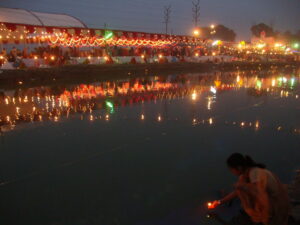
Chhath is a major festival especially celebrated in the Terai region of Nepal. It is dedicated to the Sun God and Chhathi Maiya.
The festival lasts for four days and involves strict rituals such as fasting, bathing in rivers, and standing in water to offer prayers.
Devotees pray to both the rising and setting sun, expressing gratitude for life, energy, and prosperity. The riverside atmosphere becomes highly spiritual, peaceful, and filled with devotion.
Buddha Jayanti
Buddha Jayanti is one of the most peaceful and significant festivals in Nepal. It marks the birth, enlightenment, and death of Lord Gautam Buddha.The main celebrations take place in Lumbini, the birthplace of Buddha, along with monasteries and stupas across the country.
Devotees light butter lamps, offer prayers, and share Buddha’s teachings of peace, compassion, and non-violence. Many people also release birds as a symbol of freedom and kindness.
Janai Purnima
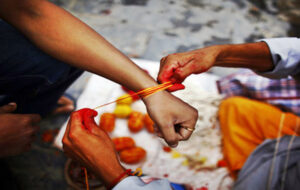
Janai Purnima is a sacred Hindu festival celebrated during the full moon of Shrawan. On this day, Hindu men change their sacred thread after performing purification rituals.
The festival is also known as Raksha Bandhan in Nepal, where sisters tie protective threads (rakhi) around their brothers’ wrists, wishing them good health and long life.
A traditional dish called kwati, made from mixed sprouted beans, is prepared and enjoyed as part of the celebration.
Ramadan and Eid
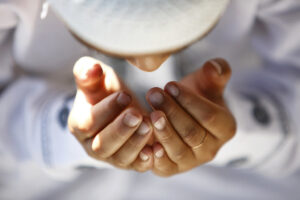
Ramadan is an important religious month for Muslims, marked by fasting, prayer, and reflection from sunrise to sunset.
After a month of fasting, Eid al-Fitr is celebrated with joy and gratitude. Families gather, offer prayers, and share special foods like sewai. The festival encourages kindness, unity, and togetherness among communities.
Losar (Tibetan New Year)
Losar is the Tibetan New Year celebrated by Sherpa, Tamang, and Tibetan communities in Nepal. It usually falls in February or March.The main celebrations take place around Boudhanath Stupa, which becomes very vibrant during this time.
People clean their homes, wear traditional clothes, prepare special foods, and visit monasteries for prayers. Cultural dances and butter lamps add to the festive and spiritual atmosphere.
Bisket Jatra
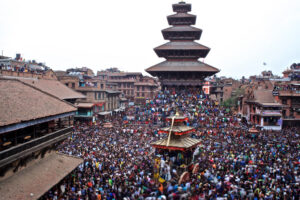
Bisket Jatra is a lively New Year festival mainly celebrated in Bhaktapur. It is connected with ancient myths and symbolizes the victory of good over evil.
The festival features large chariot processions and traditional rituals. One of the main highlights is the pulling of a tall ceremonial pole, marking the beginning of the Nepali New Year.
The entire city becomes filled with music, energy, and celebration.
Saraswati Puja
Saraswati Puja is dedicated to Goddess Saraswati, the goddess of knowledge, learning, and arts. It is especially important for students and learners.
Schools, colleges, and temples organize special worship ceremonies where books, pens, and musical instruments are honored.Students pray for wisdom, creativity, and success in education. Many young children even begin their first writing lessons on this day.
Conclusion
Festivals in Nepal truly reflect the country’s rich diversity, deep spirituality, and cultural heritage. Whether rooted in Hindu, Buddhist, Muslim, or Tibetan traditions, each festival plays a meaningful role in shaping Nepal’s identity and strengthening bonds within communities.
From sacred rituals in temples to vibrant street processions and joyful family gatherings, these celebrations highlight values of peace, respect, and unity. Exploring Nepal’s festivals offers a deeper understanding of its traditions and the harmony shared among different cultures.
In the end, festivals in Nepal are more than just occasions of celebration they are a living tradition that expresses faith, culture, and togetherness, inspiring generations to come.
FAQs
Nepal celebrates a wide range of important festivals such as Krishna Ashtami, Dashain, Tihar, Buddha Jayanti, Chhath, Losar, Bisket Jatra, Eid, and Saraswati Puja. These festivals highlight the country’s rich cultural and religious diversity.
Festivals in Nepal are closely tied to religion, tradition, and community life. They help bring people together, strengthen cultural identity, and promote harmony among different ethnic and religious groups.
Dashain is considered the biggest and most widely celebrated festival in Nepal. It is followed by Tihar, Chhath, and Buddha Jayanti in terms of cultural importance and popularity.
Krishna Ashtami is observed throughout the country, but one of the main centers of celebration is Krishna Mandir in Patan Durbar Square, where thousands of devotees gather.
During Losar, Boudhanath Stupa becomes a major spiritual and cultural hub where Tibetan Buddhist communities gather for prayers, rituals, and festive celebrations.
Chhath is mainly celebrated by the Maithili, Bhojpuri, and Tharu communities, especially in the Terai region, though it is now observed in many other parts of Nepal as well.
Bisket Jatra is known for its grand chariot processions, traditional rituals, and energetic celebrations of the Nepali New Year in Bhaktapur, reflecting strong cultural pride.
Buddha Jayanti promotes the teachings of Lord Gautam Buddha, emphasizing peace, compassion, mindfulness, and non-violence.
No, Nepal is a multicultural country where Hindu, Buddhist, Muslim, and Tibetan festivals are all celebrated with equal respect and harmony.
Nepal’s festivals are unique because they blend spirituality, tradition, and cultural diversity, bringing people from different backgrounds together in celebration and unity.