Sabana
Introduction
Perched gracefully on a lush hilltop in Gorkha District, Manakamana Temple stands as one of Nepal’s most cherished Hindu pilgrimage sites. Dedicated to Goddess Bhagwati, who is worshipped as an incarnation of Goddess Parvati, this sacred temple draws thousands of devotees and travelers every year. Some arrive with deep faith, some with silent wishes, and others simply to witness the spiritual beauty that surrounds this famous shrine.
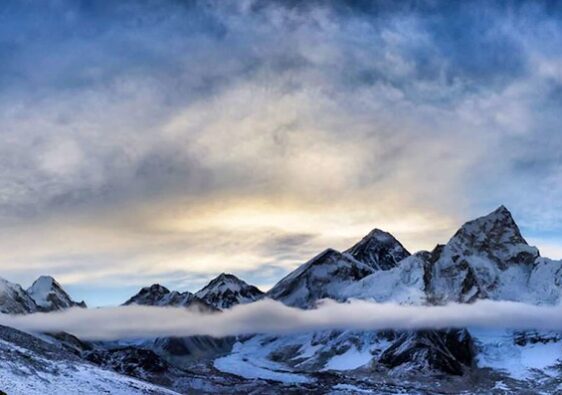
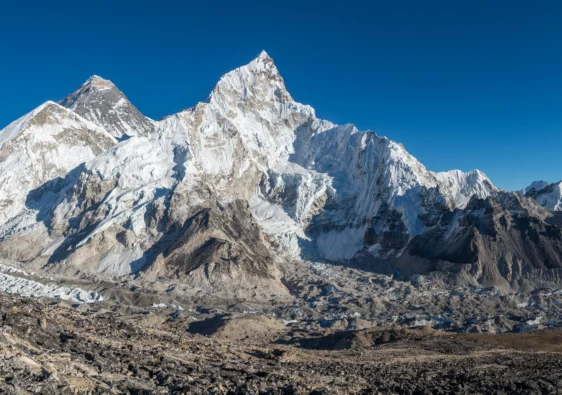
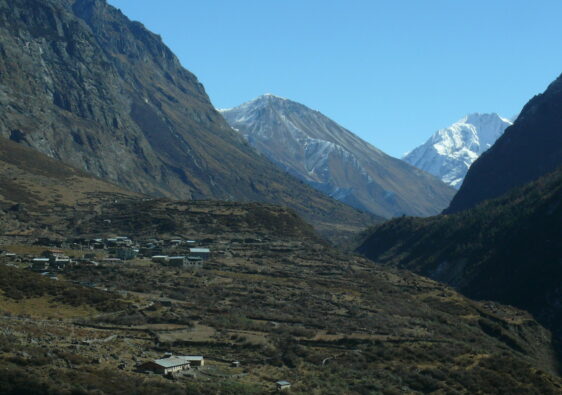
Located about 140 kilometers from Kathmandu at an elevation of 1,302 meters, Manakamana Temple is not only a place of worship but also a destination blessed with incredible natural scenery. From the hilltop, visitors are rewarded with sweeping views of river valleys, green hills, terraced fields, and the distant Himalayan ranges.
A Temple Wrapped in Legend and Faith
The story behind Manakamana Temple adds to its mystical charm. According to a well-known 17th-century legend, the queen of Gorkha possessed divine powers and was secretly regarded as a goddess by her loyal follower, Lakhan Thapa. When the king unexpectedly learned about her spiritual identity, tragedy struck, and his sudden death became part of the temple’s folklore.
Later, villagers discovered a sacred stone in a nearby field from which milk and blood were believed to flow. Lakhan Thapa performed tantric worship at that very spot, and from then on, the place became recognized as holy ground. Over time, a temple was built there, which grew into the revered Manakamana Temple we see today.
Even now, the temple continues to honor this ancient tradition, and priests from Lakhan Thapa’s lineage are believed to carry on the sacred rituals.
Traditional Architecture with a Peaceful Spiritual Aura
Built in the classic Nepali pagoda style, the temple features a beautiful four-tiered roof and an entrance facing southwest. Though it has been restored several times over the years, its spiritual atmosphere remains untouched.
Every morning, priests begin the day with special rituals before allowing devotees inside. As bells ring softly and incense fills the air, the temple grounds feel calm, sacred, and deeply moving. Many visitors stand in long queues with flowers, tika, and prayers in hand, each carrying a personal wish to offer before the goddess.
People believe that Manakamana Devi fulfills sincere desires of the heart, which is exactly what gives this temple its name and significance.
The Famous Manakamana Cable Car Experience
One of the biggest attractions of visiting Manakamana today is the thrilling cable car journey. In the past, pilgrims had to walk uphill for several hours to reach the temple, but since the introduction of the Manakamana Cable Car in 1998, the trip has become faster, easier, and far more scenic.
Starting from Kurintar, the cable car covers nearly 2.8 kilometers in just 10 minutes. Developed with Austrian technology, it was Nepal’s first cable car system and remains one of the country’s most iconic travel experiences.
As the cabin rises slowly above the valley, the landscape below becomes absolutely breathtaking. Dense forests, winding rivers, neatly layered farms, and scattered villages spread out beneath your feet, while snow-covered Himalayan peaks appear in the distance. For many visitors, this short ride becomes one of the most unforgettable parts of the journey.
Hiking to Manakamana: For Travelers Who Love the Long Route
Although the cable car is the most popular choice, some travelers still prefer to hike their way up to the temple. The trail usually takes around three to four hours and offers a completely different experience.
Walking through orange orchards, quiet forests, suspension bridges, and small mountain villages, hikers get a closer look at rural Nepalese life. The route is peaceful, scenic, and ideal for those who enjoy combining pilgrimage with adventure.
Unlike the quick cable car ascent, hiking gives visitors time to absorb the natural beauty of the hills and connect with the surroundings at a slower pace.
Useful Travel Tips for Visiting Manakamana Temple
A visit to Manakamana Temple is simple and enjoyable, but a little planning can make the journey much smoother and more comfortable. Since the temple is both a religious site and a popular tourist destination, keeping a few practical travel tips in mind will help you enjoy the experience without unnecessary hassle.
Start Your Journey Early
It is always better to leave Kathmandu or Pokhara early in the morning. Starting early gives you enough time to avoid traffic on the highway, complete temple darshan peacefully, and return before the evening rush. Early visitors also get shorter queues at the cable car station.
Avoid Weekend and Festival Crowds if You Prefer Peace
Manakamana Temple becomes extremely crowded during weekends, public holidays, Dashain, Nag Panchami, and other special religious days. If you want a quieter and more relaxed visit, weekdays are usually the best choice.
Carry Cash with You
Although small shops and ticket counters may accept digital payments in some cases, carrying enough Nepali cash is highly recommended. You may need cash for temple offerings, local food, parking, shopping, and small donations.
Dress Respectfully for the Temple Visit
Since Manakamana is a sacred Hindu temple, visitors should wear modest and comfortable clothing. Light walking shoes or sandals are also useful because you will need to walk a little from the cable car station to the temple premises.
Keep Weather in Mind
The weather on the hilltop can feel cooler than the lower highway area, especially during mornings, evenings, and winter months. Carrying a light jacket, umbrella, or rain cover is a smart idea depending on the season.
Try to Visit on a Clear Day
If possible, choose a day with clear weather because the cable car ride offers some of the best panoramic views in the region. On sunny days, the surrounding valleys and distant Himalayan ranges look absolutely stunning.
Be Prepared for Waiting Time at the Cable Car
During peak travel seasons, the queue for the cable car can get quite long. Keeping some water, snacks, and patience with you will make the waiting time easier, especially if traveling with children or elderly family members.
Respect Local Customs and Temple Rules
Photography may not be allowed inside the main temple, so always follow local instructions. Remove shoes where required, maintain silence in prayer areas, and respect the rituals being performed by devotees and priests.
Keep Your Camera or Phone Ready
The cable car ride, the mountain views, and the surrounding landscapes provide many beautiful photo opportunities. Make sure your phone or camera is charged before starting the trip.
Combine the Trip with Nearby Activities
If you have extra time, you can combine your Manakamana visit with Trishuli River rafting, a short village hike, or a meal stop along the Prithvi Highway. This turns a simple temple visit into a fuller day of travel and adventure.
Why Manakamana Temple Holds Such Deep Meaning
Manakamana Temple is far more than a tourist stop, it is a place where emotions, faith, and hope come together.
Newly married couples visit to pray for a happy future. Students ask for success in studies. Business owners seek prosperity, while families pray for health, peace, and happiness. Many travelers also come simply to receive blessings before beginning a new chapter in life.
This shared belief in fulfilled wishes has turned Manakamana into one of Nepal’s strongest symbols of devotion.
One-Day Manakamana Temple Itinerary from Kathmandu
A trip to Manakamana Temple is one of the easiest and most refreshing day tours you can take from Kathmandu. Blending spirituality, scenic beauty, and a little adventure, this journey can comfortably be completed within a day if you start early in the morning.
Early Morning Departure from Kathmandu
To make the most of the day, it is best to leave Kathmandu around 6:00 AM. The drive to Kurintar, the base station of the Manakamana Cable Car, usually takes about three to four hours depending on road conditions and traffic.
The road journey itself is quite pleasant, passing through winding highways, green hills, small roadside villages, and the flowing Trishuli River. It is a perfect introduction to the peaceful countryside landscapes of Nepal.
Arrival at Kurintar and Cable Car Ride
By mid-morning, you will reach Kurintar, where the exciting part of the journey begins. From here, visitors board the famous Manakamana Cable Car, which carries passengers high above the valley directly toward the temple hill.
The ride lasts only about ten minutes, but the views make it unforgettable. Looking down from the cabin, you can see dense forests, terraced farms, scattered settlements, and the beautiful Trishuli River cutting through the valley below. On a clear day, distant Himalayan peaks add even more magic to the experience.
Temple Visit and Darshan
After stepping off the cable car, a short uphill walk leads to the sacred Manakamana Temple. This is the heart of the journey, where devotees gather to offer prayers and seek blessings from Goddess Bhagwati.
The temple area often feels calm yet vibrant, filled with the sound of bells, incense smoke, and chanting. Visitors usually spend one to two hours here attending darshan, performing puja, and soaking in the spiritual atmosphere.
Explore the Local Market and Temple Surroundings
Once the worship is complete, take some time to wander around the temple premises. The area is lined with small local shops selling prayer items, handmade gifts, religious souvenirs, and traditional snacks.
This is also a great opportunity to pause and enjoy the panoramic mountain views. The cool breeze, open skies, and peaceful surroundings make the temple hill a lovely place to simply sit and relax.
Lunch with Local Flavors
Before heading back, enjoy lunch at one of the local eateries near the temple. Most restaurants serve simple but delicious Nepali meals such as Dal Bhat, Sel Roti, seasonal vegetables, tea, and homemade pickles.
Sharing a warm meal in the hills adds a comforting touch to the day’s pilgrimage.
Optional Short Walk Around the Hills
If time allows, visitors can also take a short walk around the nearby village trails or scenic viewpoints. The fresh mountain air and beautiful natural setting make even a brief stroll feel rewarding.
For travelers who enjoy photography, this is one of the best moments to capture the surrounding valleys and green landscapes.
Afternoon Return to Kurintar
By late afternoon, it is wise to return to the cable car station and ride back down to Kurintar. Returning a little earlier helps avoid the long queues that often form during weekends and festival days.
The descent offers one final chance to enjoy the sweeping valley views from above.
Evening Drive Back to Kathmandu
After reaching Kurintar, begin the drive back to Kathmandu. Most travelers arrive in the city by evening, carrying with them a peaceful sense of fulfillment, scenic memories, and blessings from one of Nepal’s most sacred temples.
Best Season to Plan Your Visit
Manakamana Temple welcomes visitors throughout the year, but the clearest weather and best mountain views are usually found between spring and autumn.
The months from March to May and September to November are especially pleasant. During major Hindu festivals such as Dashain and Nag Panchami, the temple becomes exceptionally lively, filled with pilgrims, prayers, and traditional celebrations.
Monsoon season can still be beautiful, but hiking trails often become slippery, so travelers should plan carefully if visiting during heavy rains.
More Than a Temple Visit: Things to Enjoy Around Manakamana
A trip to Manakamana offers much more than temple worship alone.
Visitors can capture stunning photographs during the cable car ride, explore nearby villages, taste authentic Nepali dishes like Sel Roti and Dal Bhat, and shop for handmade local souvenirs around the temple area.
Adventure lovers can also combine the visit with rafting on the nearby Trishuli River, making the journey a mix of spirituality and outdoor fun.
There are also several lodges, guesthouses, and family-run stays nearby where travelers can relax and enjoy warm Nepali hospitality.
A Journey That Blends Devotion, Nature, and Adventure
Manakamana Temple offers something truly rare, a spiritual experience wrapped in natural beauty and modern convenience. Whether you come to pray, to ride Nepal’s famous cable car, to hike through peaceful hills, or simply to witness the devotion of countless pilgrims, the journey leaves a lasting impression.
It is one of those places where religion, scenery, and culture blend so naturally that every visitor returns with a memory worth keeping.
A visit to Manakamana is not just about reaching a temple, it is about experiencing the heart of Nepal itself.
FAQs
Manakamana Temple is located in the Gorkha district of Nepal on a scenic hilltop at an altitude of around 1,302 meters above sea level. It lies roughly 140 kilometers west of Kathmandu and can be reached via Kurintar using the famous cable car service.
Manakamana Temple is widely known as the temple of wish fulfillment. Devotees believe that Goddess Bhagwati blesses sincere prayers and fulfills the heartfelt wishes of her visitors. Apart from its religious importance, the temple is also famous for its beautiful mountain setting and Nepal’s first cable car ride.
Travelers first need to drive from Kathmandu to Kurintar, which usually takes about 3 to 4 hours. From Kurintar, visitors can board the Manakamana Cable Car that reaches the temple hill in around 10 minutes. For those who enjoy trekking, there is also a hiking route to the temple.
The cable car ride takes approximately 10 minutes and covers nearly 3 kilometers across the valley. It is one of the most scenic parts of the trip, offering sweeping views of forests, rivers, villages, and distant Himalayan ranges.
As of 2026, the round-trip cable car fare for Nepali adults is NPR 770, while one-way fare is NPR 450. Discounted tickets are available for children, students, senior citizens, and differently abled passengers. Foreign and SAARC visitors have separate pricing categories.
The cable car generally operates from 8:00 AM to 5:00 PM. There is usually a lunch break in the middle of the day, commonly between 12:00 PM and 1:00 PM or 1:30 PM depending on the day. Starting early is always recommended, especially during weekends and festival seasons.
Yes, visitors can also reach the temple on foot through a scenic hiking trail. The uphill walk takes around 3 to 4 hours and passes through forests, village settlements, suspension bridges, and terraced fields. It is a great option for trekkers and nature lovers.
The best time to visit is during spring (March to May) and autumn (September to November) when the weather remains pleasant and the mountain views are clear. Festivals like Dashain also make the temple lively, although the crowd becomes much heavier.
Yes, there are many local restaurants, tea shops, lodges, and guesthouses around both the temple area and Kurintar cable car station. Visitors can enjoy simple Nepali meals, tea snacks, and overnight stays according to their budget.
Absolutely. Even if you are not visiting purely for religious reasons, the cable car ride, panoramic Himalayan views, peaceful hill atmosphere, and local cultural experience make Manakamana a rewarding destination for families, couples, photographers, and day travelers.
A complete round trip from Kathmandu can comfortably be done in one day. However, if travelers want to explore nearby villages, enjoy rafting on Trishuli River, or spend more time in nature, an overnight stay is also a good option.
Yes, the cable car has made the journey very convenient for elderly pilgrims and families with children. Since the top station is close to the temple, visitors do not need to walk a long uphill distance like in earlier days.