Sabana
Introduction
Hidden deep in the remote landscapes of Upper Mustang in Nepal, the Tiji Festival stands out as one of the most extraordinary cultural celebrations in the Himalayas. Held each year in the historic walled city of Lo Manthang, this festival opens a window into centuries-old traditions that have remained beautifully preserved over time.
For travelers who want more than just scenic trekking, the Tiji Festival offers something deeper a chance to witness spiritual rituals, vibrant masked dances, and meaningful storytelling rooted in Tibetan Buddhism. It’s not just an event to watch, but an experience that reflects hope, protection, and the victory of good over evil.
What is the Tiji Festival?
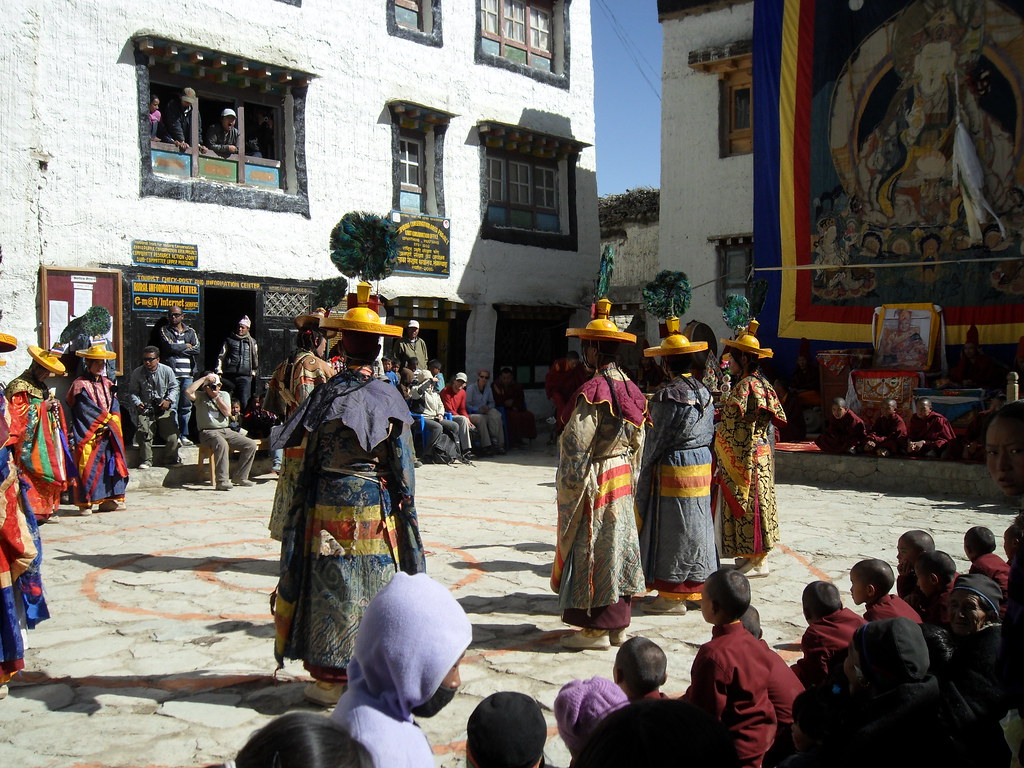
The Tiji Festival, sometimes referred to as “Tenchi,” is a sacred three-day celebration that symbolizes the triumph of good forces over evil. This tradition has been practiced for generations and remains an important part of life in Upper Mustang.
At the heart of the festival is the story of Dorje Jono, a powerful figure believed to have defeated a destructive demon to save the land of Mustang. This story is brought to life through dramatic performances by monks, who use colorful costumes, masks, and ritual dances to recreate the legend in a visually stunning and spiritually meaningful way.
Where is the Tiji Festival Celebrated?
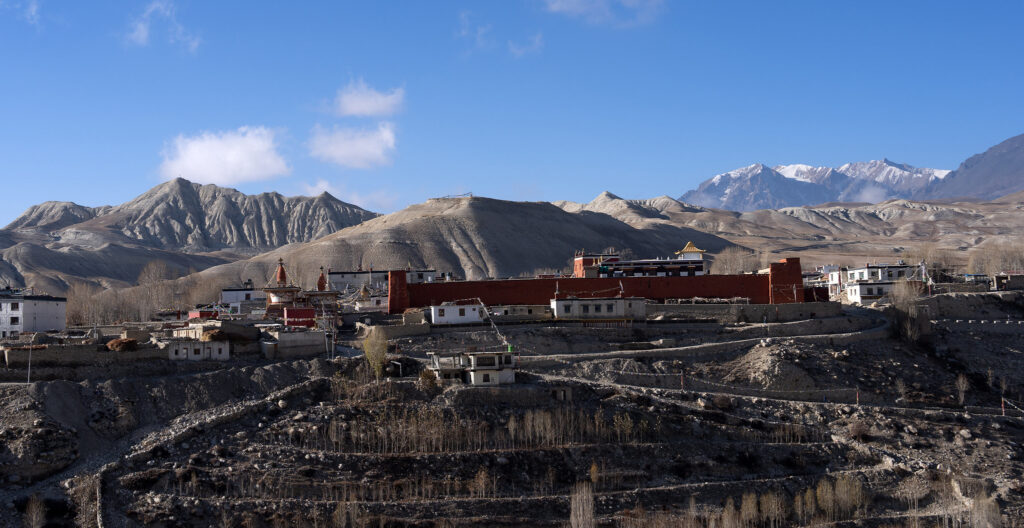
The festival takes place in Lo Manthang, a centuries-old city that once served as the capital of the Mustang Kingdom. Surrounded by ancient monasteries, narrow alleys, and traditional mud-brick homes, Lo Manthang creates a truly magical setting for this sacred celebration.
Since Upper Mustang is a protected and restricted area, visitors must arrange special permits and travel with a licensed guide to attend the festival.
When Does the Tiji Festival Take Place?
The exact dates of the Tiji Festival change every year because they follow the Tibetan lunar calendar. However, it is usually held in the month of May.
Festival Duration:
- Day 1: Opening ceremonies and the beginning of ritual dances
- Day 2: Main performances that tell the story of good versus evil
- Day 3: Final rituals symbolizing the defeat of negative forces
To fully experience the festival, it’s best to plan your visit around all three days.
Highlights of the Tiji Festival
Traditional Masked Dances
Monks perform sacred Cham dances wearing elaborate masks and costumes, each representing different deities and spiritual figures.
Spiritual Rituals
The festival includes chanting, prayers, and ceremonial practices believed to protect the region and its people from harm.
Authentic Cultural Atmosphere
Locals gather in traditional dress, creating a lively and deeply cultural environment that feels untouched by modern influences.
Incredible Visual Experience
With its colorful performances and dramatic Himalayan backdrop, the festival is a dream for photographers and cultural explorers alike.
Why Visit the Tiji Festival?
- Experience a rare and authentic Himalayan festival
- Explore the hidden culture of Upper Mustang
- Witness centuries-old traditions still practiced today
- Combine trekking with a rich cultural journey
- Discover a side of Nepal beyond the usual tourist routes
Unlike many modern festivals, Tiji remains deeply spiritual and rooted in tradition.
How to Reach the Tiji Festival
Getting to the Tiji Festival is an adventure in itself.
Typical Route:
- Travel from Kathmandu to Pokhara
- Take a scenic flight to Jomsom
- Continue by trekking or jeep through Kagbeni and Upper Mustang
- Arrive at Lo Manthang
Along the way, you’ll pass through breathtaking landscapes, desert valleys, and traditional Himalayan villages.
Permits Required
Since Upper Mustang is a restricted region, travelers need special permits:
- Restricted Area Permit (RAP)
- Annapurna Conservation Area Permit (ACAP)
Additionally, hiring a licensed guide is mandatory for visiting this area.
Best Time to Visit
The Tiji Festival takes place in spring, typically in May, which is one of the best times to visit Mustang.
- Clear skies and stable weather
- Comfortable temperatures for trekking
- Ideal conditions for cultural exploration
Accommodation During the Festival
In Lo Manthang, accommodation mainly consists of tea houses and small guesthouses. While basic, they are comfortable and welcoming.
Because the festival attracts visitors from around the world, it’s important to book your stay in advance.
Travel Tips for Tiji Festival
- Arrange permits and accommodation early
- Travel with a registered trekking agency
- Pack warm clothes for cold nights
- Respect local customs and traditions
- Keep extra days in your itinerary for delays
FAQs
It symbolizes the victory of good over evil and reflects important beliefs in Tibetan Buddhism.
It takes place in Lo Manthang.
Yes, visiting Upper Mustang requires special permits and a licensed guide.
The celebration runs for three days.
Definitely Tiji Festival offers a rare cultural experience that is unlike anything else in Nepal.
Conclusion
The Tiji Festival in Upper Mustang is far more than a cultural event it’s a journey into a preserved world where history, spirituality, and tradition come alive. Set in the timeless city of Lo Manthang, this festival gives travelers a chance to experience Nepal in its most authentic form.
If you’re looking for something truly meaningful beyond trekking something that connects you with culture, people, and ancient traditions the Tiji Festival is an experience you shouldn’t miss.